
Close

Search

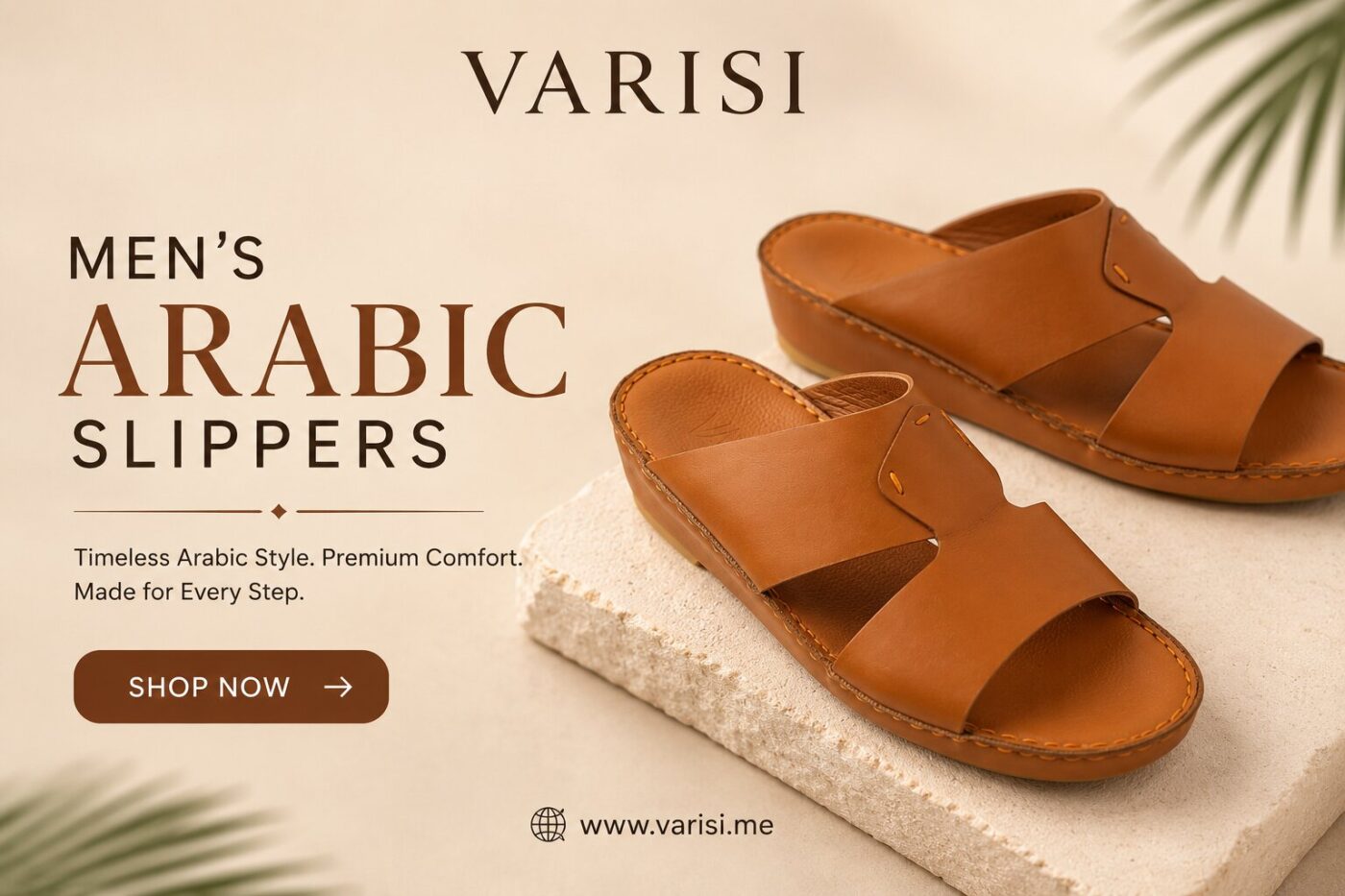
mens arabic slippers

Smart Ways to Choose Mens Arabic Slippers for Comfort, Quality, and Style

Choosing the right mens Arabic slippers is about more than finding a pair that matches your thobe. The best choice should feel easy to wear, look appropriate for the setting and stay reliable after repeated use. A good pair becomes part of your routine: ready for a prayer visit, a family event, an evening out or simply a smart everyday look. Arabic slippers have a distinctive appeal because they sit between formal footwear and casual comfort. They are practical, refined and rooted in regional style. Yet, the market offers many options, from basic slip-ons to finely finished leather designs. Knowing what separates a well-made pair from one that only looks good in a product photo can save you from an uncomfortable or short-lived purchase. This guide from Varisi explains how to assess mens Arabic slippers properly, with attention to fit, materials, sole construction and styling. What Makes One Pair of Mens Arabic Slippers Last Longer Than Another? The honest answer is rarely the price tag—it’s the materials underneath the surface. Two pairs of mens arabic slippers can look nearly identical from a metre away, yet one uses full-grain leather with reinforced stitching while the other relies on a thin synthetic coating over a cardboard-like base. The second pair might survive light, occasional wear, but daily use—walking, standing during prayer, and exposure to water—can wear it down quickly. A longer-lasting pair typically shares three traits: a natural leather upper that flexes rather than cracks, a sole that's stitched rather than only glued, and an insole shaped to support the foot rather than simply cushion it. Miss any one of these, and the slipper's lifespan drops significantly, regardless of how polished it looks in a shop window. Does Climate Actually Affect Which Mens Arabic Slippers You Should Buy? More than most people realise. In hot, humid climates, synthetic materials trap heat and moisture against the skin, which can lead to discomfort and odour over time. Genuine leather, by contrast, allows better airflow and handles heat more gracefully, provided it's properly finished — which is why climate should always factor into how you choose mens Arabic slippers. This is particularly relevant for anyone comparing luxury sandals in Qatar, where extreme summer temperatures test footwear far more aggressively than milder climates. A pair that performs well in cooler conditions might still fail quickly once exposed to consistent heat, which is why climate suitability deserves as much attention as style. Why Do Some Slippers Feel Uncomfortable Even Though They're New? This catches a lot of buyers off guard. A brand-new pair of mens arabic slippers should feel reasonably comfortable from the first wear—not painful or so restrictive that it requires weeks of “breaking in” before the rubbing or pinching stops. If a pair feels uncomfortable straight away, that’s rarely something that improves with time. More often, it signals a sizing mismatch, a rigid sole that hasn’t been designed to flex naturally with foot movement, or strap placement that sits awkwardly against the skin. The fix here is simple but often skipped: walk around in the slippers for a minute or two before buying, rather than just trying them on while standing still. Comfort under actual movement tells you far more than comfort while stationary. Think About When You Will Wear Them Before selecting a colour or finish, decide what role the slippers will play in your wardrobe. This makes the buying process far easier and prevents you from choosing a pair that looks beautiful but does not suit your day-to-day needs. A pair for formal celebrations may need a cleaner leather finish and a sleeker profile. A pair for regular use should be more forgiving, with a flexible sole and a fit that feels comfortable for several hours. If you are buying for travel, ease of removal and a stable sole may matter more than a highly polished appearance. Ask yourself a few simple questions before you shop: Will you wear the slippers mostly indoors, outdoors or both? Do you need them for daily use, special occasions or Friday prayers? Will you walk long distances while wearing them? Are you likely to wear them with traditional clothing, casual clothing or both? Do you prefer an open heel for convenience or more coverage around the foot? Is durability more important to you than a very lightweight feel? Your answers will narrow the choices quickly. Someone who spends most of the day moving between meetings, family homes and outdoor spaces will need something different from someone looking for an elegant pair to wear at formal gatherings. Everyday footwear needs a practical sole Many shoppers focus first on the leather upper, but the sole determines how useful the slipper is in real life. A thin sole may look graceful and traditional, but it may not give enough grip or protection when walking outdoors. For daily wear, look for a sole that feels stable without making the footwear appear heavy. A slightly cushioned base can reduce pressure on the heel when standing for long periods. A textured rubber sole can also help on smooth floors, tiled entrances and outdoor pavements. The aim is not to choose a trainer-like sole; it is to find a design that keeps the traditional silhouette while making every step more secure. When browsing mens Arabic slippers, examine the product image from the side as well as from underneath. This helps you judge whether the sole is suitable for the way you plan to wear it. Getting the Fit Right for Mens Arabic Slippers A slipper should feel relaxed, but it should not feel loose. The open design of many Arabic styles can make fit more important than shoppers expect. If the pair is too large, your foot may slide forward or lift at the heel while walking. If it is too tight across the upper, it can cause discomfort around the toes and instep. Do not select a size simply because it is the size you normally wear in trainers or formal shoes. Different footwear styles can fit differently, particularly when the front is narrow or the upper is structured. When considering fit, check these points: Your toes should not press against the front edge. The upper should sit smoothly across your foot without pinching. Your heel should not move excessively as you walk. There should be enough width for your foot to rest naturally. The slipper should not feel difficult to put on or remove. The edges should not rub against your toes or the side of your foot. If you have a wider foot, avoid choosing a pointed design purely for appearance. A wider toe shape can still look elegant while giving your foot the room it needs. Comfort is not a compromise in quality footwear; it is one of the clearest signs that you have chosen well. Open-back versus closed-back designs Open-back styles are valued for their convenience. They are easy to put on, easy to remove and ideal for moments when you want effortless footwear. They suit home use, social calls, religious visits and warm weather particularly well. A closed-back or more structured style gives additional hold around the heel. This can be useful if you walk frequently, travel often or prefer footwear that feels more secure. It may also create a more formal look when paired with tailored traditional clothing. Neither option is automatically superior. The most suitable choice is the one that matches your habits. If convenience is your priority, an open-back style can be ideal. If support and stability matter more, a covered heel may be the better investment. Learn How to Judge Quality The material should suit your routine The outer material affects the slipper’s look, comfort and maintenance needs. Leather is a classic choice because it can develop character with wear and often gives a neat, premium finish. Smooth leather tends to look formal and versatile, while textured leather can hide minor marks better and add a little depth to a simple outfit. For shoppers searching for Arabic slippers for men, it is worth considering whether the material will work with their lifestyle. A polished finish may suit occasional evening wear, but it can show scuffs more easily. A matte or grained leather may feel more practical for regular use. Soft suede-style materials offer a relaxed appearance, although they require more care in dusty or wet conditions. Do not judge quality from the word “leather” alone. Read the available product details and look for information on the lining, sole and care requirements. Clear descriptions help you make an informed choice and show respect for the customer’s decision. Inspect the finishing details Good craftsmanship is often visible in quiet details. You do not need specialist knowledge to assess whether a pair has been made carefully. Look at the stitching around the upper, the finish of the edges and the connection between the sole and the body of the slipper. A stronger-quality pair will usually have: Neat stitching with no loose threads Even colour across the upper Smooth edges around the opening A sole that sits firmly against the upper A toe shape that holds its form A clean interior without rough seams These details matter because Arabic slippers are often worn in settings where the overall presentation counts. A well-finished pair looks considered even when the rest of the outfit is simple. For anyone comparing Arabic slippers men styles online, close-up photographs are useful. Zoom in on the toe, side profile and interior. These areas often reveal more than a full-length image. Build a Colour Collection Slowly You do not need several pairs at once. Begin with one versatile colour, then add more options as your wardrobe grows. Black and dark brown are dependable starting points because they work well for formal occasions and can be worn with a wide range of garments. Tan, camel and medium brown create a warmer, more relaxed feel. They pair particularly well with white, cream, beige and light-coloured traditional clothing. Navy and deep burgundy can add character without looking overly bold, making them useful choices for events or evening wear. If you are exploring luxury sandals in Qatar, avoid choosing a colour only because it is popular at the moment. A classic shade that works with your existing clothes will give you more value over time than a trend-led option you wear only once or twice. Style Mens Arabic Slippers with Confidence Mens Arabic slippers work best when they feel intentional rather than added at the last minute. With a kandura or thobe, choose footwear that supports the formality of the outfit. Smooth leather in black or deep brown usually gives a sharp, composed appearance. For daytime wear, a lighter brown or soft neutral shade can make the look feel more relaxed. They can also be worn with modern clothing when the outfit remains clean and balanced. Neutral trousers, a linen shirt, a simple kurta or a tailored overshirt can all work with a refined pair of slippers. Keep the colours complementary and avoid overly athletic pieces, as the contrast can feel disconnected. A few easy styling principles can help: Match polished footwear with neater, more formal clothing. Use textured leather to add interest to a plain outfit. Pair light-coloured slippers with soft, neutral clothing tones. Choose darker slippers when you want the footwear to look more formal. Let the slipper complement the outfit rather than compete with it. The beauty of mens Arabic slippers is that they can look understated while still making a strong impression. A clean shape, good material and proper fit often say more than excessive decoration. How Long Should a Well-Made Pair of Mens Arabic Slippers Realistically Last? With reasonable care, a properly constructed leather pair of mens Arabic slippers typically holds up well beyond a year of regular daily use. Lower-quality alternatives, particularly synthetic versions, often need replacing within just a few months in warmer climates. If you find yourself repeatedly buying new mens Arabic slippers within short intervals, the issue is almost always tied to material and construction quality, not how carefully you're wearing them. Care Makes a Difference Good craftsmanship is often visible in quiet details. You do not need specialist knowledge to assess whether a pair of mens Arabic slippers has been made carefully. Look at the stitching around the upper, the finish of the edges and the connection between the sole and the body of the slipper. Wipe smooth leather with a clean, soft cloth after use. Avoid leaving footwear in direct sunlight or near strong heat, as this can dry out the material. If the slippers become damp, allow them to air dry naturally rather than placing them near a heater. For suede or nubuck finishes, use an appropriate brush and keep them away from heavy moisture. When storing them, place the pair somewhere dry and clean. A dust bag or shoe box can help prevent unnecessary marks. These small habits are especially worthwhile when investing in luxury sandals in Qatar, where premium materials deserve proper attention. Frequently Asked Questions Can Arabic slippers be worn outdoors, or are they strictly indoor footwear? Many pairs are versatile enough for both, but outdoor use calls for a slightly firmer sole with better grip, while thinner, softer soles are better suited to indoor and prayer use only. What's the difference between men's and women's Arabic slippers in terms of construction? Men's designs typically use thicker leather and a broader, more structured sole, while women's versions often favour lighter materials and narrower silhouettes — but both should follow the same stitching and quality standards. Do Arabic slippers run true to standard shoe sizes? Not always. Sizing can vary noticeably between brands, so it's worth checking a size guide or trying both slippers on rather than assuming your usual shoe size will fit. Why do some leather slippers darken or change colour over time? This is a normal process called patina, caused by natural oils, sunlight, and everyday handling — it's a sign of genuine leather ageing naturally, not a defect. Can Varisi slippers be repaired if the sole wears down? In most cases, yes — since Varisi uses stitched sole construction rather than glue-only bonding, a worn sole can often be reattached or resoled instead of replacing the entire pair. Choose a Pair You Will Reach For Often The right mens Arabic slippers should feel natural from the moment you wear them. They should match your lifestyle, suit your clothing and provide the comfort needed for your typical day. Instead of choosing only by appearance, consider the fit, sole, material, finishing and the occasions you have in mind. At Varisi, take time to compare styles with purpose. Choose a pair that reflects your personal taste, but make sure it also supports the way you live. When comfort, quality and style work together, your slippers become more than footwear—they become a dependable part of your everyday wardrobe. Ready to find yours? Explore Varisi's collection and see the difference proper craftsmanship makes. Follow us on Instagram for the latest product updates, new arrivals, and exclusive offers.
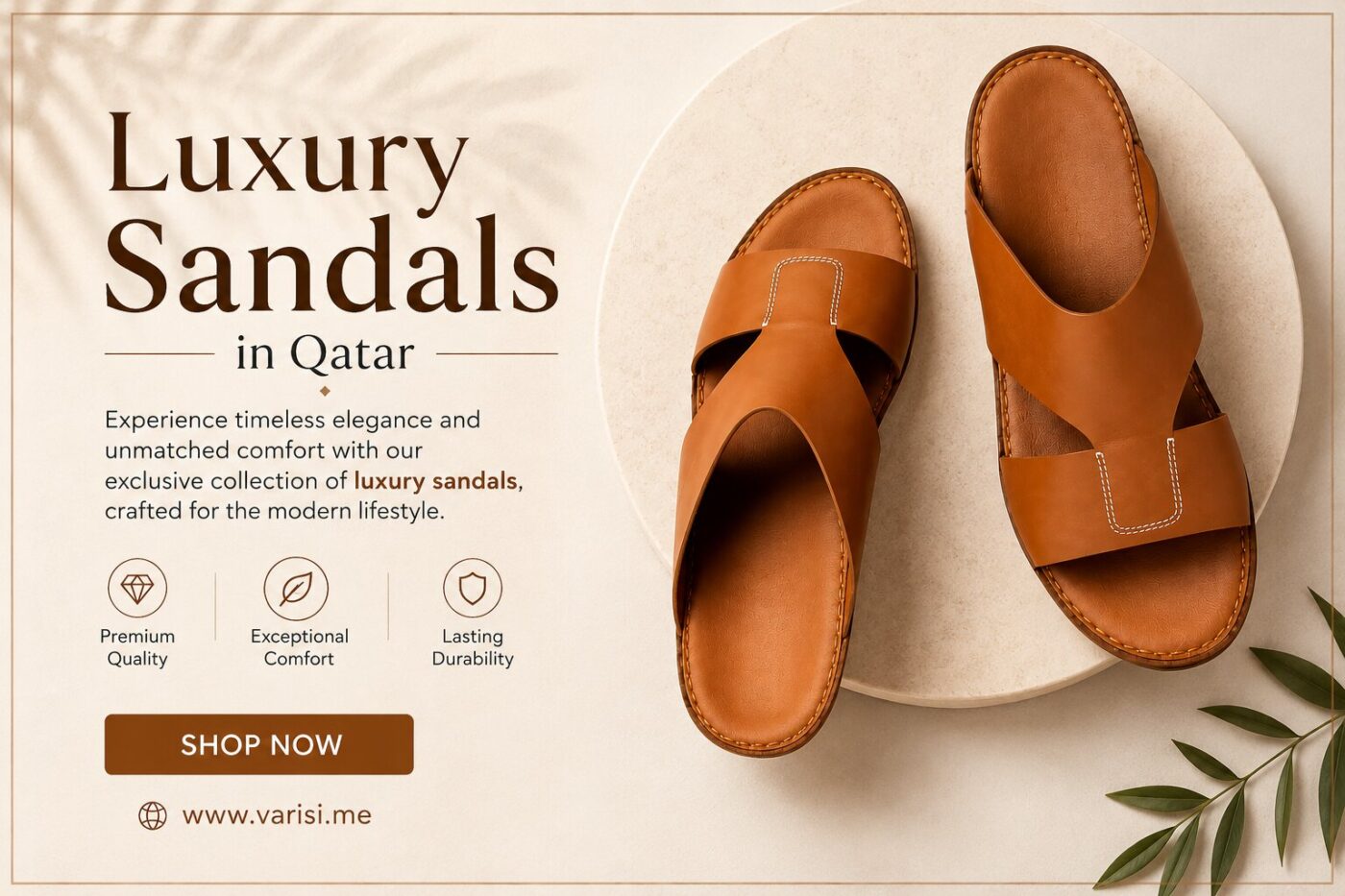
Luxury Sandals Qatar

7 Proven Signs of Genuine Luxury Sandals in Qatar: The Ultimate Guide to Spotting Real Quality

If you've ever bought a pair of "leather" sandals that started peeling within weeks, you already know the problem: most shoppers can't actually tell good leather from a convincing imitation until it's too late. This is exactly the risk you take when shopping for luxury sandals in Qatar without knowing what to check first. It's not really about knowing brand names or reading labels — it's about knowing what to look for with your own hands, because that's the only test that never lies. A genuine pair behaves differently the moment you touch it, flex it, and wear it, long before any tag or price confirms it. This guide walks through the seven signs that separate authentic luxury sandals in Qatar from mass-produced lookalikes, drawing on what leather actually does over time, how stitching behaves under wear, and what a well-made pair should feel like the moment you put it on. The 7 Signs of Genuine Luxury Sandals in Qatar to Look For What Actually Separates Genuine Quality From a Good Imitation The Leather Behind Genuine Luxury Sandals in Qatar Genuine leather has a smell, a texture, and a way of catching light that synthetic material simply cannot fake. Nappa leather, in particular, has a soft, almost buttery hand-feel because it's tanned from the top grain of the hide rather than a lower, coarser layer. Press your thumb into it — real nappa leather should give slightly and then spring back, not stay dented or feel plasticky. Qatar's climate is unforgiving on footwear, with heat and humidity that punish anything less than full-grain material. This is exactly why brands like Varisi build sandals such as their Nappa Leather Brown pair around genuinely tanned leather rather than coated synthetics — the difference shows up months later, not on day one. What to check Look for natural grain variation; perfectly uniform texture usually signals a printed finish Smell the material — real leather has an earthy, slightly smoky scent, not a chemical one Bend the strap gently; authentic leather creases naturally without cracking Stitching That's Built to Last Stitching is one of the fastest ways to judge whether a sandal was made with care or rushed through a production line. On genuine luxury Arabic sandals, the stitches run evenly, sit close to the edge without fraying, and use thread that matches the tension of the leather itself. Loose threads, skipped stitches, or glue peeking out from the seams are red flags that the maker cut corners somewhere. Hand-finished or hand-guided stitching, common in smaller Qatari and regional workshops, tends to be slightly less mechanically perfect than factory stitching — but it's far stronger, because the tension is adjusted for the specific hide rather than a standard setting. If you're examining Arabic sandals in Qatar up close, run a finger along the seam. It should feel flush, not raised or lumpy. The Sole Speaks Louder Than the Label A sandal's sole is where quality either proves itself or gives itself away. Genuine soles are layered — usually a leather or high-density rubber base bonded with a flexible midsole — so the sandal bends where your foot naturally bends, not in one stiff hinge near the toe. Cheaper alternatives use a single moulded piece that looks convincing but cracks along the flex point within weeks, especially under Qatar's summer heat, which softens poor-quality adhesives and speeds up wear. Quick test before buying: Flex the sandal gently in your hands; it should curve smoothly across the ball of the foot Check the edge of the sole for visible layering rather than a single moulded block Press the heel — a genuine sole resists compression rather than feeling spongy Hardware and Fastenings Made to Match Buckles, rivets, and adjustable straps are small details that reveal a lot about overall build quality. On authentic Arabic leather sandals, metal fastenings are usually solid rather than hollow, with a weight that feels intentional in the hand. They shouldn't rattle, discolour after a week, or leave a greenish tint on the skin, which is a common sign of low-grade plated metal reacting with sweat and heat. Genuine makers also match the hardware finish to the leather tone deliberately — antique brass with warm browns, brushed silver with cooler shades — rather than bolting on whatever fastening was cheapest that season. Comfort That Doesn't Need Breaking In There's a persistent myth that quality leather sandals must be painfully broken in before they're wearable. In reality, well-tanned leather is already supple enough to mould to the foot within the first few wears, not the first few months. If a sandal feels rigid, digs into the arch, or rubs at the heel straight out of the box, that's usually a sign of stiff, lower-grade leather rather than a "settling in" period. Genuine luxury sandals in Qatar are cut with the local climate in mind — breathable enough for long days outdoors, structured enough to support the foot properly, and finished so the inner lining doesn't irritate skin during extended wear. Craftsmanship Behind the Brand Authentic quality rarely comes from nowhere. It's usually backed by a maker who can explain their tanning process, sourcing, and construction method without hesitation. This is one of the clearest ways to separate genuine artisanship from a generic import: ask questions, and see how specific the answers are. Regional brands producing luxury Arabic sandals with real transparency tend to highlight where their leather is sourced, how it's treated, and why particular design choices — like a rounded toe strap or a reinforced heel — were made. Varisi, for instance, builds its designs around traditional leatherworking techniques adapted for everyday comfort, which is part of why pairs such as the Nappa Leather Brown hold their shape and colour long after cheaper alternatives have faded. Signs of genuine craftsmanship Clear information about leather type and origin Consistent quality across different colourways of the same design A finish that looks intentional rather than decorative Ageing Gracefully Instead of Falling Apart Perhaps the most honest test of quality is time itself. Genuine leather sandals develop a patina — a subtle, natural darkening and softening that actually improves their look with age. Cheap materials do the opposite: they crack, peel, or fade unevenly, often within a single season of regular wear. If you're comparing options for Arabic sandals in Qatar, it's worth asking how the material is expected to age. A maker confident in their leather will tell you it gets better with wear. A maker unsure of their materials will avoid the question altogether. What Sets Genuine Luxury Sandals in Qatar Apart From Everything Else on the Shelf At the end of the day, the difference between a pair that lasts and a pair that doesn't rarely comes down to branding or price tags alone — it comes down to whether the maker treated construction as seriously as appearance. Leather that's properly tanned, stitching that's tensioned by hand, a sole built in layers rather than moulded as one piece, hardware chosen to match rather than just fill a gap — these details take time and cost more to get right, which is exactly why so few pairs on the market actually tick every box. Varisi's approach to designs like the Nappa Leather Brown reflects that same principle: build it properly the first time, and it won't need replacing every season. Frequently Asked Questions How can I tell if leather sandals are genuine before buying? Check the grain for natural variation, smell the material for an earthy rather than chemical scent, and gently flex the strap — real leather creases smoothly instead of cracking. Are luxury sandals in Qatar worth the higher price? Yes, when the price reflects genuine leather, layered soles, and solid hardware. These details directly affect how long the sandals last in Qatar's heat and humidity, so the cost is usually offset by durability. Do genuine leather sandals need breaking in? Not significantly. Well-tanned leather is already supple and should feel reasonably comfortable within the first few wears rather than requiring weeks of discomfort. What's the easiest way to spot a fake luxury sandal? A single moulded sole, uneven or glued stitching, and hardware that discolours quickly are the fastest giveaways of a lower-quality imitation. Final Thoughts Spotting real quality isn't about knowing obscure leather terminology — it's about paying attention to weight, smell, stitching, flex, and how a sandal responds to your foot from the very first wear. Genuine luxury sandals in Qatar are built to handle the region's heat and humidity without losing shape, colour, or comfort, and that durability is always visible if you know where to look. For anyone wanting a practical example of these principles in a finished product, Varisi's Nappa Leather Brown sandals are a useful reference point — soft top-grain leather, layered soles, and hardware finished to match, all details that separate a sandal built to last from one built to sell once. Follow us on Instagram for the latest product updates, new arrivals, and exclusive offers.
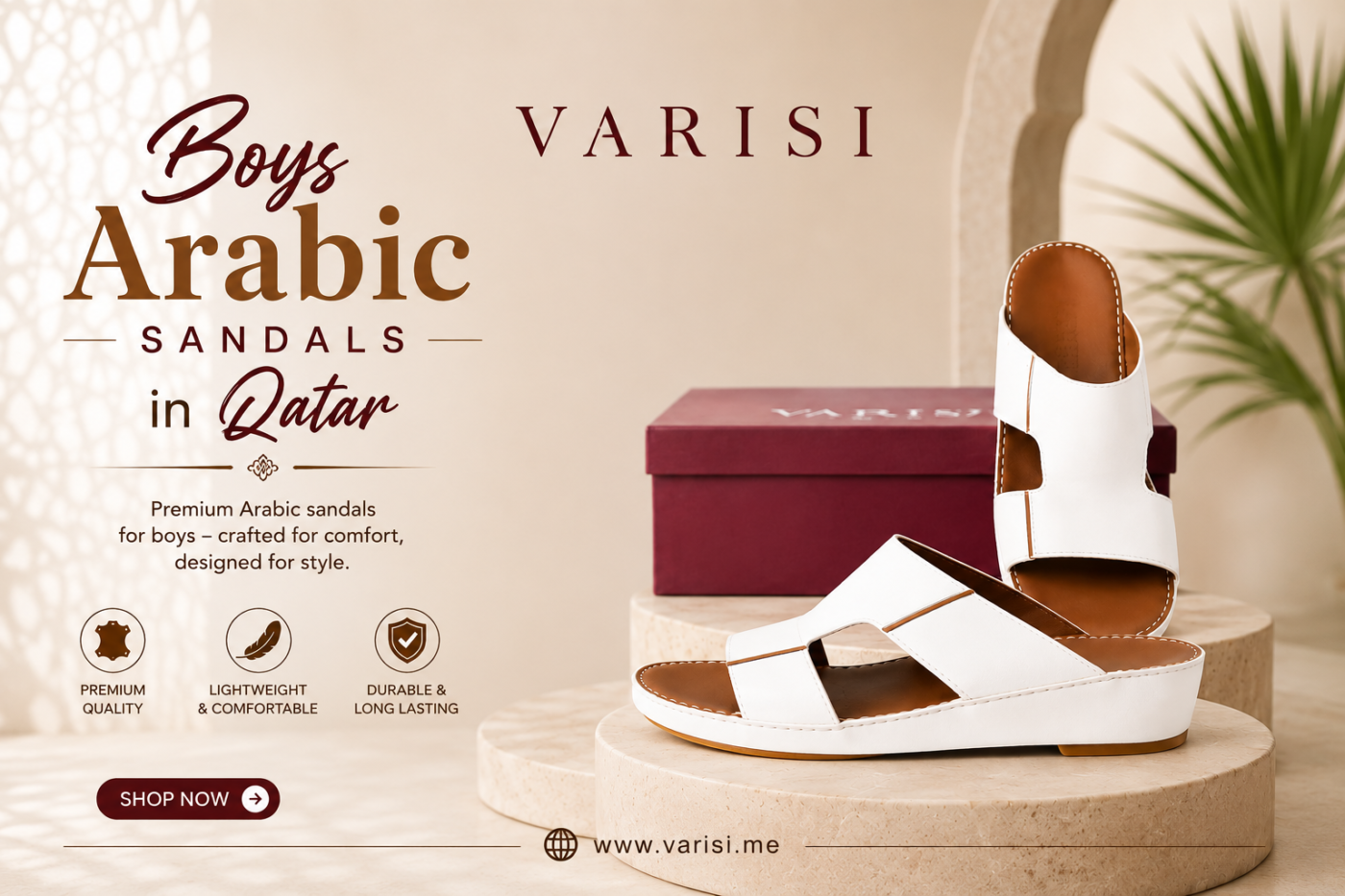
Boys arabic sandals Qatar

Little Feet, Timeless Style: The Ultimate Guide to Boys Arabic Sandals in Qatar

When it comes to dressing young boys in traditional Gulf style, nothing completes the look quite like a well-made pair of Boys Arabic sandals in Qatar. Whether it's for Eid, a family wedding, daily wear, or simply matching Baba's own pair of Arabic sandals for men, Arabic sandals are a staple in every Qatari household's footwear collection. In this guide, we cover everything parents need to know before buying — styles, materials, sizing, comfort, and care — so you can make the best choice for your little one. Why Boys Arabic Sandals Are a Wardrobe Essential in Qatar Arabic sandals are more than just footwear — they are a symbol of tradition and identity in the Gulf region. For boys, wearing a well-fitted pair of Arabic sandals from a young age instills a sense of cultural pride while offering practical benefits suited to Qatar's warm climate: Breathability: Open-toe and slip-on designs keep little feet cool in Qatar's hot weather. Comfort for active kids: Lightweight soles allow boys to run, play, and move freely. Easy to wear: No laces or buckles to fumble with, making them perfect for young children who are just learning to dress themselves. Occasion-ready: From everyday errands to Eid prayers and family gatherings, they suit both casual and formal settings. Popular Styles of Boys Arabic Sandals When shopping for boys' Arabic sandals in Qatar, you'll typically come across a few popular styles: Classic Nappa Leather Sandals Soft nappa leather is one of the most popular choices for boys' sandals because it is gentle on young skin while still being durable. These sandals often come in rich colors like black and dark green, offering a timeless, traditional look that pairs well with both thobes and casual outfits. Calf Leather Sandals Slightly firmer than nappa, calf leather sandals are known for their durability and structured shape. They tend to hold up well to daily wear and are a great option for boys who are always on the move. Matching Father-Son Sandals Many parents in Qatar prefer to buy matching sandals for fathers and sons — a growing trend, especially during Eid and wedding season. Pairing a boy's sandals with a similar style of men's Arabic footwear creates a coordinated, traditional look for family photos and gatherings. How to Choose the Right Size Getting the correct fit is one of the most important parts of buying sandals for boys, since children's feet grow quickly and comfort is essential: Measure both feet: Children's feet can differ slightly in size — always measure both and size for the larger foot. Leave a little room: Unlike adult sandals, boys' sandals should have a small amount of extra space (around 0.5 cm) to accommodate growth, but not so much that the foot slides while walking. Check the strap fit: The strap or upper should sit snugly across the foot without pinching, and the heel should not slip out when walking. Re-measure every few months: Since children's feet grow fast, it's a good idea to check sizing every 3–4 months, especially for younger boys. If you're unsure about sizing, always refer to a proper sizing guide before ordering, and when possible, have your child try sandals on in person. Choosing the Right Material The material of the sandal affects both comfort and durability: Genuine leather is generally recommended over synthetic materials for boys' sandals in Qatar's climate, as it breathes better and is less likely to cause skin irritation or odor in the heat. In fact, the same qualities that make Arabic leather sandals ideal for grown men — durability, breathability, and a refined look — make them just as suitable for boys, only sized down for smaller feet. Caring for Boys Arabic Sandals Since children are naturally rougher on their footwear, proper care will help the sandals last longer: Wipe clean regularly: Use a soft, slightly damp cloth to remove dust and dirt after outdoor play. Condition the leather: Apply a light leather conditioner every few weeks to keep the material soft and prevent cracking. Avoid prolonged water exposure: While leather sandals can handle occasional splashes, soaking them should be avoided as it can weaken the material. Store properly: Keep sandals in a cool, dry place away from direct sunlight to prevent the leather from drying out or fading. Rotate pairs if possible: Having two pairs allows each pair to air out between wears, extending their lifespan. When to Buy: Occasions for Boys Arabic Sandals Eid al-Fitr and Eid al-Adha: A new pair of Arabic sandals is a traditional part of Eid outfits for boys across Qatar. Weddings and family functions: Formal gatherings often call for a polished pair to match traditional attire. School holidays and daily wear: Comfortable, durable sandals for everyday activities. Ramadan: Many families buy new sandals ahead of Ramadan for prayers and evening gatherings. Why Buy Boys Arabic Sandals Online in Qatar Shopping for boys' sandals online has become increasingly popular among Qatari families, and for good reason: Wider selection: Online stores typically showcase a broader range of colors, sizes, and styles than a single physical shop. Convenient sizing charts: Most stores provide detailed sizing guides so you can measure your child's foot at home before ordering. Doorstep delivery: With hassle-free delivery across Qatar, you can shop from home without dragging a restless toddler through a mall. Easy comparisons: You can quickly compare nappa vs. calf leather, colors, and price points side by side before deciding. That said, if your child has never worn a particular brand's sandals before, it's worth checking the return policy in case the fit needs adjusting. Boys Arabic Sandals vs. International Brands Parents in Qatar often ask whether locally crafted Arabic sandals are a better choice than mainstream international kids' footwear brands. Here's how they typically compare: For families who value tradition alongside comfort, genuine Arabic leather sandals remain the preferred choice for boys, especially during religious and cultural occasions. A Quick Buying Checklist for Parents Before you check out, run through this quick checklist to make sure you're picking the right pair: Is the leather genuine and breathable? Does the strap sit snugly without pinching? Is there a small amount of extra room for growth? Does the color/style match the occasion (daily wear vs. Eid/wedding)? Have you checked the sizing guide or measured your child's foot recently? Does the store offer easy returns in case the size needs adjusting? The Craftsmanship Behind Varisi Boys Sandals At Varisi, every pair of boys' sandals is made with the same attention to detail as our men's collection. We use genuine nappa and calf leather, carefully cut and stitched to hold up to a child's active lifestyle while staying gentle on young, sensitive skin. Each sole is designed for flexibility, so boys can walk, run, and play comfortably without the stiffness often found in mass-produced footwear. This focus on quality materials and craftsmanship is what allows a pair of Arabic sandals to be worn season after season, even as your child grows. How to Style Boys Arabic Sandals Getting the styling right helps boys' Arabic sandals look just as sharp as they feel. A few simple tips: With a thobe or kandora: Keep it classic — black or dark green nappa leather sandals pair naturally with both white and colored thobes, and work for everything from daily wear to Friday prayers. For Eid and weddings: Choose a slightly richer leather tone, like calf leather in black or oyster, and match it with your son's formal thobe or bisht for a coordinated, festive look. Casual outfits: Arabic sandals aren't limited to traditional wear — they pair just as well with simple kanduras, cotton shirts, or shorts for everyday comfort with a cultural touch. Matching with Baba: For family occasions, picking a similar color or leather finish from our men's Arabic footwear range creates an easy, coordinated father-son look without needing identical styles. The key is keeping the sandals as the grounding piece — since the leather tone and craftsmanship already stand out, the rest of the outfit can stay simple and let the footwear do the talking. Frequently Asked Questions How often should I replace my son's Arabic sandals? Since children's feet grow quickly, most boys need a new pair every 6–12 months, or sooner if the current pair feels tight or shows signs of wear. Are leather sandals safe for daily school or outdoor wear? Yes — genuine leather sandals with a sturdy sole are suitable for daily wear, though for sports or heavy outdoor play, a dedicated athletic shoe is still recommended. Can I buy matching sandals for my son and myself? Absolutely. Many families in Qatar choose matching or complementary styles from the same collection of men's Arabic footwear and boys' sandals, especially for Eid and weddings. What's the difference between nappa and calf leather for boys? Nappa leather is softer and more flexible, ideal for sensitive young skin, while calf leather is firmer and more durable, better suited for boys who are hard on their shoes. Final Thoughts Choosing the right Boys Arabic sandals in Qatar comes down to balancing tradition, comfort, and durability. Quality leather, a proper fit, and regular care will ensure your son's sandals stay comfortable and stylish through every stage of growth. Whether you're shopping for Eid, a family wedding, or everyday wear, investing in a well-made pair makes all the difference — for both comfort and confidence. And if you're also updating Baba's wardrobe, browse our full range of Arabic sandals for men and men's Arabic footwear to complete the family's traditional look together. Explore our collection of boys' Arabic sandals, crafted from premium leather for lasting comfort and timeless style. Follow us on Instagram for the latest product updates, new arrivals, and exclusive offers.
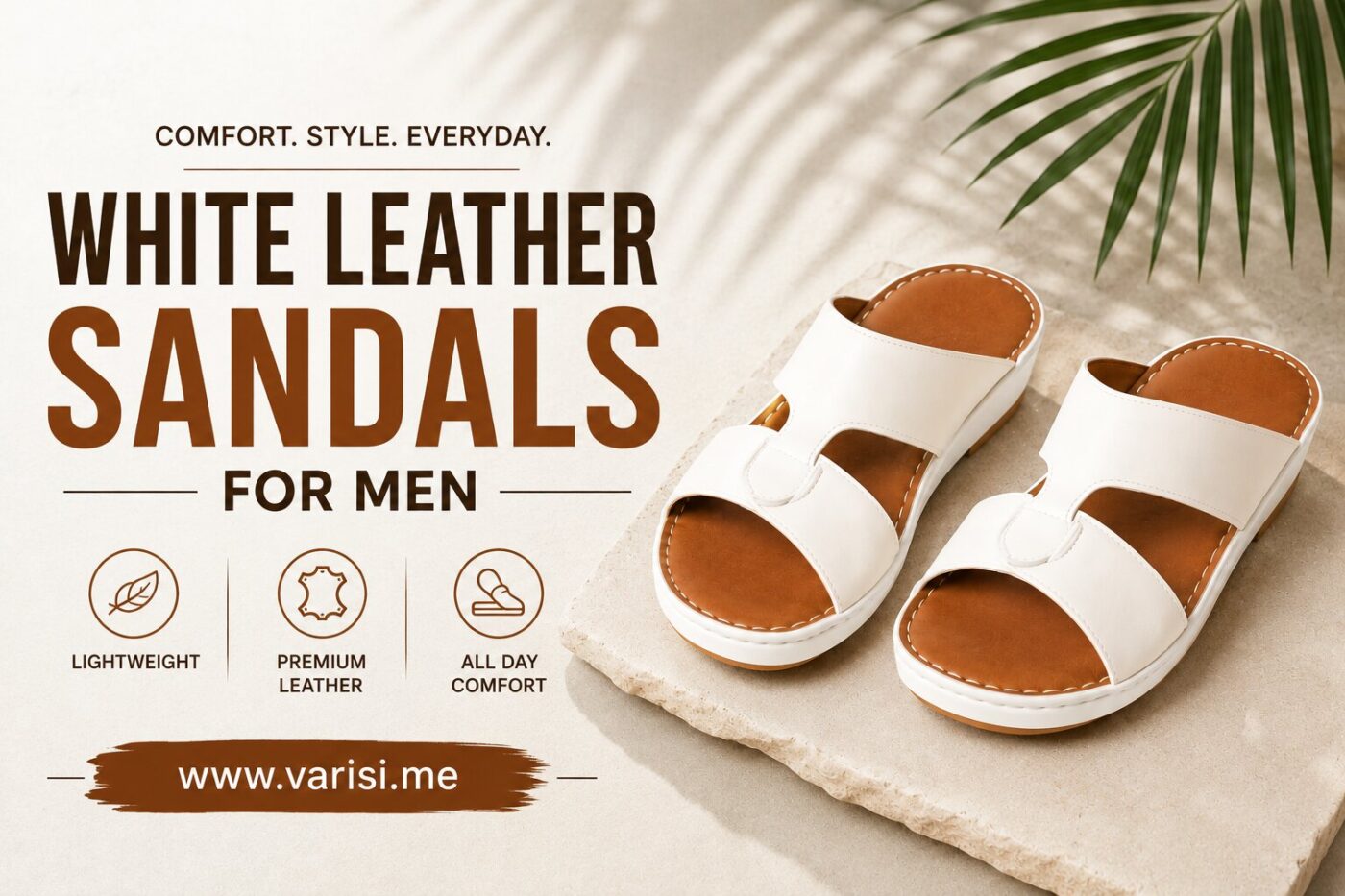
white leather sandals for men

White Leather Sandals for Men That Make Casual Outfits Look Premium

There's a moment every man reaches in his wardrobe planning where trainers feel too casual, formal shoes feel too stiff, and nothing in between quite works. That's usually when white leather sandals for men earn their place. Not the beach-holiday kind with plastic straps, but the tailored, structured kind made from real leather that can carry an outfit from a family lunch to an evening out without missing a beat. I've spent a fair amount of time testing footwear across Doha's humid summers and cooler winter evenings, and sandals are one category where material quality shows almost immediately. Cheap synthetic straps crack within a season. Genuine leather, on the other hand, softens and moulds to the foot the longer you wear it. That difference is exactly why white leather sandals for men have become such a popular pick for anyone who wants comfort without giving up on looking put together. Why White Leather Sandals Work So Well for Casual Outfits White is not an easy colour to get right in footwear. It shows scuffs, it shows dirt, and cheap versions yellow quickly. But when it's done properly, in genuine leather with proper finishing, white sandals do something no other colour manages quite as well: they lift an outfit instantly. Pair them with: Linen trousers or shorts for a relaxed daytime look A plain white or pastel thobe for a clean, traditional finish Chino shorts and a polo shirt for weekend errands Tailored linen shirts for evening gatherings The contrast of crisp white leather against darker or neutral fabric gives an outfit structure without trying too hard. That's the appeal. It looks deliberate, not accidental. What Actually Makes a Pair of Leather Sandals "Premium" A lot of brands use the word premium loosely. In practice, there are a handful of things that genuinely separate a well-made sandal from an average one, and they're worth knowing before you buy. The Leather Itself Nappa leather is one of the softer, more supple leather types used in footwear. It's known for a smooth finish and for adapting to the shape of the foot over time rather than staying rigid. Sandals made from full-grain or Nappa leather tend to age better, developing a slight patina rather than cracking or peeling. Stitching and Construction Look closely at the seams. Precision stitching, even edges, and a clean finish around the straps usually indicate handcrafted construction rather than mass production. This detail matters more than it seems, since it's often the first thing to fail on lower-quality sandals. Comfort Underfoot A sole that's engineered for stability, along with a breathable leather lining, makes a noticeable difference on long days. Sandals that look good but pinch or slip after an hour aren't doing their job. Design Heritage Some of the most distinctive white leather sandals draw on Arabic leather sandals traditions, blending regional design cues with European craftsmanship. That combination tends to produce a shoe that feels culturally familiar while still looking modern. How to Choose the Right Pair Buying sandals online without trying them on first can feel like a gamble, so it helps to know what to check. Check the sizing chart carefully - Leather sandals often run slightly differently to trainers, so measure your foot in centimetres rather than guessing from your usual shoe size. Consider the strap structure - Wider straps tend to distribute pressure better for daily wear, while slimmer straps suit dressier occasions. Think about the sole material - A firmer sole gives better support on hard flooring or pavement, while a softer sole feels gentler indoors. Look at the leather finish - A matte or slightly textured white finish tends to hide light marks better than a high-gloss finish. If comfort, durability, and appearance all matter equally to you, genuine leather is worth the extra cost over synthetic alternatives, particularly in a climate where sandals get worn for months at a time rather than just a few weeks a year. Where Varisi Fits Into This This is where a brand like Varisi becomes relevant. Varisi's 1495 Nappa Leather White sandal is built exactly around the qualities discussed above: genuine Nappa leather, precision stitching, a breathable lining, and a sole designed for everyday stability. The design pulls from Arabic leather sandals heritage while keeping the construction rooted in Italian craftsmanship standards, which is a combination that's genuinely hard to find at this level of detail. For anyone browsing luxury sandals in Qatar, it's a practical example of what "premium casual" should actually look like, not overly formal, not overly relaxed, just well made. The white finish holds up to the kind of styling mentioned earlier, from thobes to linen trousers, without looking out of place in either setting. Why White Leather Sandals for Men Are a Smart Long-Term Investment Buying footwear is often treated as a seasonal decision, but genuine leather changes that equation. White leather sandals for men, when made from proper Nappa or full-grain leather, tend to outlast two or three pairs of synthetic sandals bought over the same period. The upfront cost is higher, but the leather ages gracefully, the stitching holds, and the sole doesn't wear out as quickly under regular use. For anyone who wears sandals for most of the year rather than just a few weeks of summer, that durability translates directly into better value, not just better looks. Frequently Asked Questions Are white leather sandals hard to keep clean? Not if they're genuine leather. A soft damp cloth and a leather conditioner every few weeks keep the white finish looking fresh without cracking. Can white leather sandals for men be worn with formal outfits? Yes, particularly with thobes or linen suits. A clean white leather finish reads as smart-casual rather than beach wear. Do leather sandals stretch over time? Genuine leather, especially Nappa, gradually softens and moulds to the shape of your foot with regular wear. Are they suitable for Qatar's climate? Leather sandals with a breathable lining are a practical choice for warm weather, offering more structure and durability than synthetic alternatives. Final Thoughts Good sandals aren't a small detail. They're often the first thing people notice when an outfit is otherwise simple, which is exactly why white leather sandals for men have earned their place as a wardrobe staple rather than a seasonal purchase. Choosing genuine leather, checking construction quality, and picking a design with some heritage behind it will always outlast a cheaper alternative. If you're ready to see the difference proper craftsmanship makes, the 1495 Nappa Leather White from Varisi is a solid place to start. It's the kind of pair that quietly does the job an entire outfit needs it to do. Follow us on Instagram for the latest product updates, new arrivals, and exclusive offers.
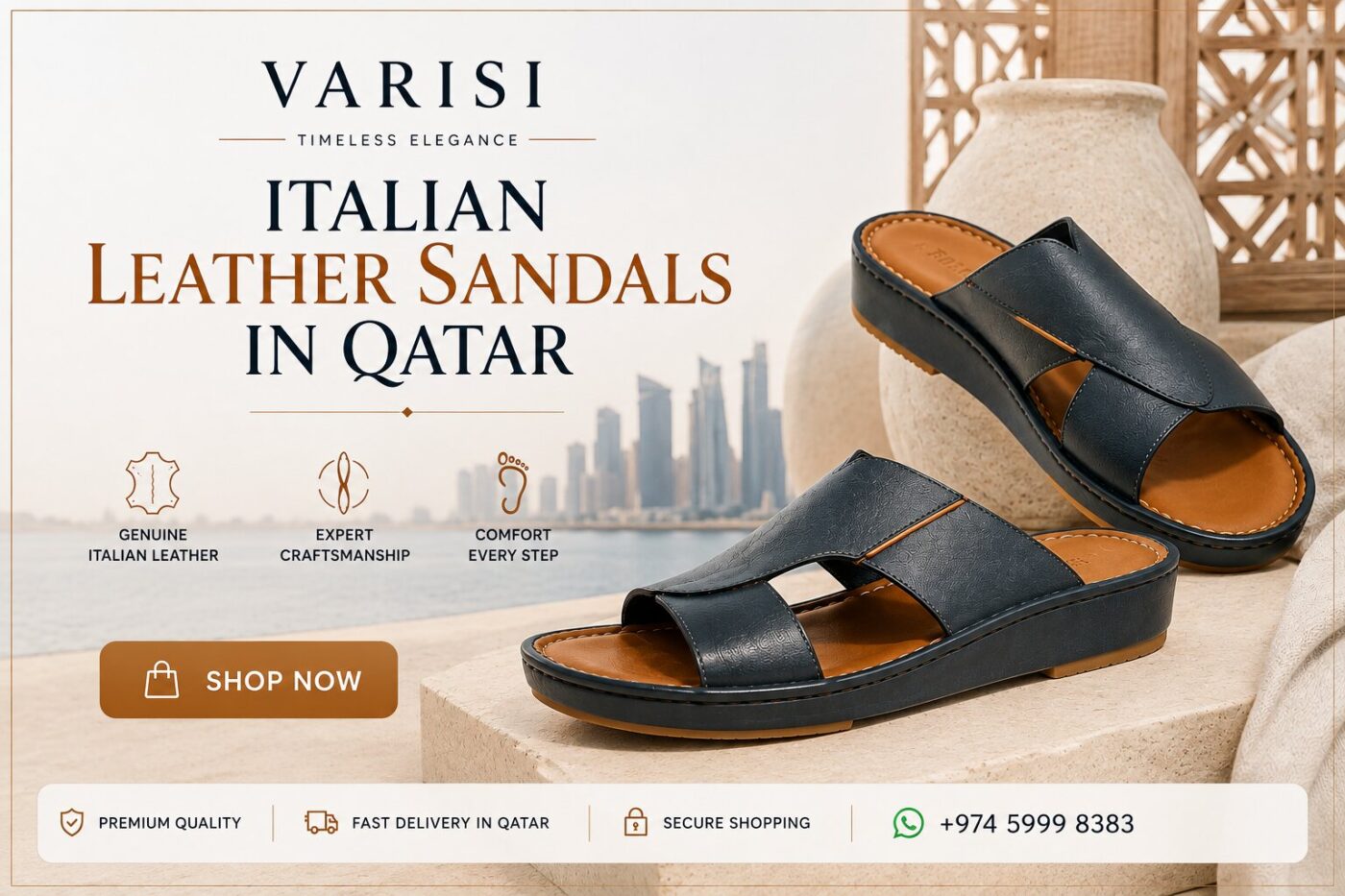
Italian leather sandals in Qatar

Why Varisi’s Italian Leather Sandals in Qatar Are a Smart Choice for Modern Men

There's a particular kind of disappointment that comes from buying a pair of sandals that fall apart within a season. The stitching loosens, the sole flattens, and the leather that once looked rich and supple starts to crack under Qatar's heat. If you've been through that cycle a few times, you already understand why so many men in Doha and beyond are turning to Italian leather sandals in Qatar instead of settling for mass-produced alternatives. Varisi has built its name around this exact problem — offering footwear that's made to handle both the climate and the lifestyle of the modern Gulf man, without compromising on craftsmanship. The Qatari Climate Demands Better Footwear Qatar isn't kind to cheap materials. Between the humidity rolling in off the Gulf and dry, dust-laden summer heat, synthetic footwear tends to warp, peel, or simply smell unpleasant after a few weeks of regular wear. Genuine leather behaves differently. It breathes, it moulds to the shape of your foot over time, and it ages with character rather than falling apart. This is precisely why demand for Italian leather sandals in Qatar has grown steadily among professionals, expatriates and locals alike. People aren't just buying a pair of sandals—they're investing in premium footwear that continues to look stylish, comfortable and presentable even after a full summer of daily wear. Why Italian Leather Specifically? Not all leather is created equal. Italian tanneries have spent generations refining the process of curing, dyeing, and finishing leather so that it remains flexible without losing structure. A few things set it apart: Full-grain construction that resists cracking in dry heatNatural breathability, reducing sweat build-up during long days outdoorsA refined finish that looks sharp with both thobes and Western smart-casual wearLongevity — a well-maintained pair can outlast several cheaper alternatives combined Varisi sources materials with these qualities in mind, which is part of why customers keep coming back for repeat purchases rather than one-off buys. Built for the Modern Man's Daily Reality The modern man in Qatar isn't dressing for one occasion. He's moving between business meetings, family gatherings, weekend outings, and evening prayers, often within the same day. Footwear needs to keep pace with that. Versatility Without Compromise A good pair of genuine leather sandals in Qatar shouldn't force you to choose between comfort and presentability. Varisi's designs are built around this balance — sandals that feel supportive enough for a full day on your feet, yet polished enough to wear to a dinner reservation without a second thought. Black Leather Sandals for Men: A Wardrobe Essential If there's one colourway that belongs in every man's rotation, it's black. Black leather sandals for men pair effortlessly with almost any outfit, from formal dishdashas to casual linen shirts. They don't show dust the way lighter shades do, and they carry a timeless quality that doesn't date as quickly as trend-driven footwear. A Nod to Regional Style Footwear in the Gulf has its own visual language — open-toe silhouettes, subtle embossing, and finishes that complement traditional dress without looking out of place in a Western office. Varisi's collection includes Arabic leather sandals designed with this regional sensibility in mind, blending heritage-inspired detailing with the construction quality expected from Italian craftsmanship. This isn't about choosing between "local" and "imported" — it's about getting both in a single, well-made pair. What Makes Varisi Different in Qatar's Market ? Doha's footwear market has no shortage of options, but quality and authenticity vary widely. Here's what tends to set a genuinely good pair apart from the rest: Material transparency — knowing exactly what leather you're getting, not a vague "leather-look" description Proper sole construction — stitched or well-bonded soles that won't separate after a few months Consistent sizing — so you're not gambling on fit with every order After-sales support — a business that stands behind what it sells Varisi has positioned itself around these principles, which is why more men searching for Italian leather sandals in Qatar are landing on the brand rather than generic marketplace listings. Caring for Your Leather Sandals Even the best leather needs a little attention, particularly in a climate like Qatar's. A few habits go a long way: Wipe down with a soft, dry cloth after dusty days Apply a leather conditioner every few weeks during peak summer Avoid prolonged direct sunlight when storing them Let them air out between wears rather than back-to-back use Following these steps will keep your sandals looking new for considerably longer, protecting the investment you've made. Frequently Asked Questions Why are Italian leather sandals popular in Qatar? They combine luxury, durability and breathability, making them ideal for Qatar's warm climate while offering timeless style. Are genuine leather sandals worth the investment? Yes. Genuine leather provides better comfort, lasts significantly longer and develops a richer appearance with age. Can leather sandals be worn with traditional clothing? Absolutely. Many Arabic leather sandals complement traditional attire beautifully while also pairing well with modern casual wear. Which colour is the most versatile? Black leather sandals for men remain one of the most versatile choices because they coordinate with almost every wardrobe. Final Thoughts Choosing footwear isn't just a style decision — it's a practical one, especially in a climate as demanding as Qatar's. Italian leather sandals in Qatar offer a rare combination of durability, comfort, and refined appearance that synthetic alternatives simply can't match. Whether you're after classic black leather sandals for men, sandals with regional character, or straightforward genuine leather sandals in Qatar, Varisi has built its collection around what modern men actually need from their footwear. If you're ready to stop replacing sandals every few months and invest in a pair that earns its place in your wardrobe, Explore the full collection at Varisi and find the pair that's going to earn its place in your rotation — not just your closet. Follow us on Instagram for the latest product updates, new arrivals, and exclusive offers.
Back to Top
Product has been added to your cart