Close

Search

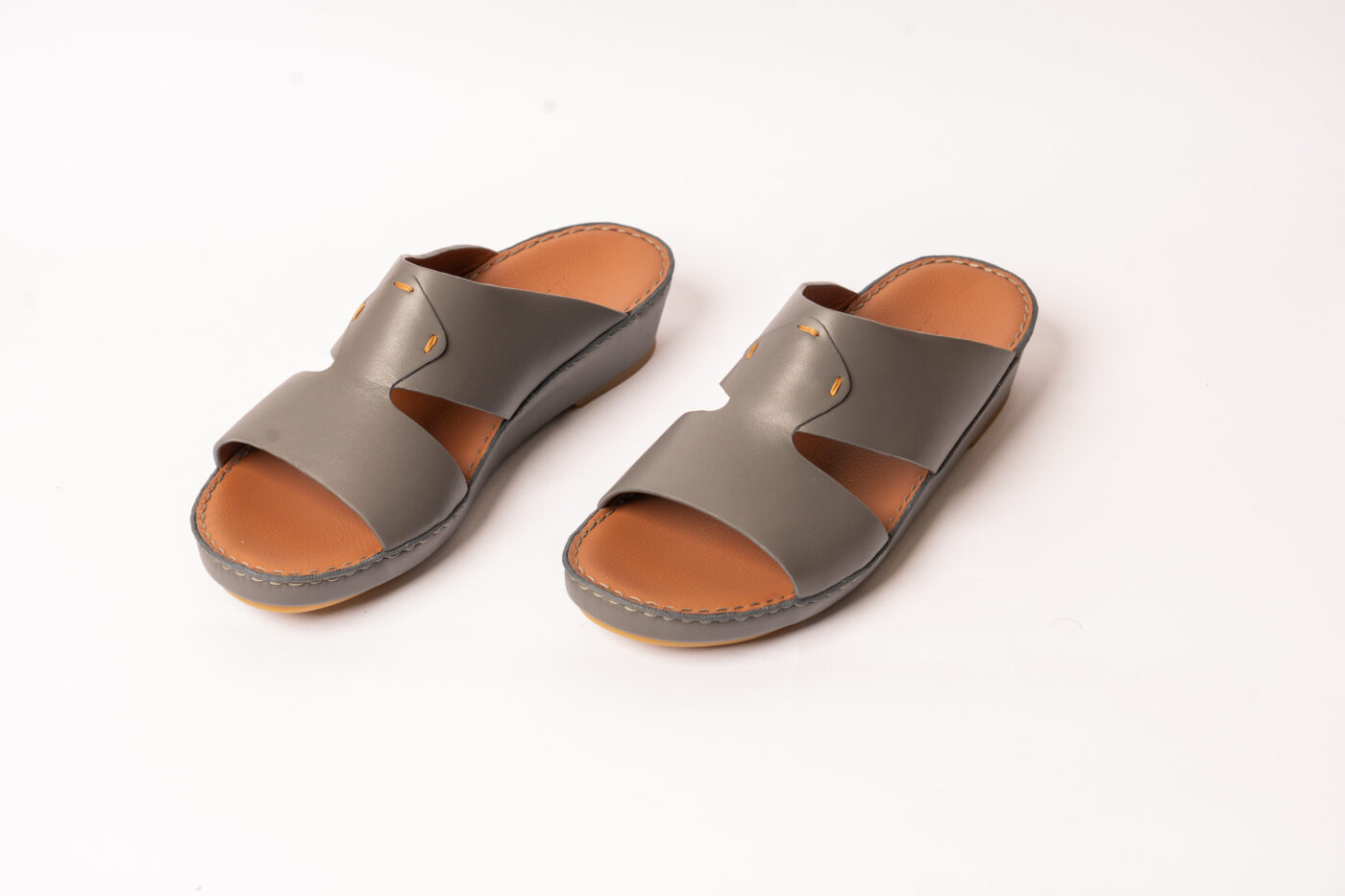
White Leather Sandals for Men

White Leather Sandals for Men: The Ultimate Guide to Effortless Style

White leather sandals for men can look crisp with a thobe, relaxed with linen trousers and smart enough for a Friday gathering. If you are shopping for mens Arabic sandals, white is the colour that rewards a little care and repays it with years of wear. This guide covers how to choose a pair, how to wear them and how to keep them clean, with examples from the Varisi range. Why White Mens Arabic Sandals Suit the Gulf Climate Light colours reflect heat rather than absorbing it, which matters on a hot afternoon in Doha. Good leather also breathes, so your feet stay more comfortable than they would in a closed shoe. White is easy to dress up or down, so one pair covers the office, family visits and weekend errands. The traditional Arabic design is simple: a flat footbed, a single toe post or strap and little decoration. That restraint is why it pairs so well with both traditional and Western clothing. What to Look for in Luxury Arabic Sandals Not every white sandal is worth the money. Check these points before you buy. Leather Quality Nappa leather: very soft and smooth, comfortable from the first wear and well suited to white. Calf leather: firmer, with a structured look that holds its shape well. Lining: a leather-lined footbed absorbs moisture better than synthetic alternatives. Construction and Fit Stitching: look for even, tight stitching around the straps and sole.Sole: it should be flexible enough to walk in but thick enough to protect against hot pavement.Fit: the toe strap should sit snugly without pinching. Check the brand’s sizing guide, because leather sandals are tricky to return once worn outdoors. Luxury Arabic sandals should feel balanced in the hand and look the same from every angle. Uneven edges or loose glue are warning signs. How to Style Mens Arabic Sandals in White With a Thobe White sandals work especially well with a thobe in white, cream, grey or navy. Keep the thobe hem clear of the sandal strap so the leather shows, and make sure the sandals are spotless, because a dirty pair undermines an otherwise sharp outfit. With Smart Casual Clothing For a modern look, wear them with: Tailored linen trousers in sand or stone Chinos cuffed just above the ankle A plain polo or an untucked linen shirt Stick to two or three neutral colours. White sandals already stand out, so the rest of the outfit can stay quiet. Where to Buy Luxury Sandals in Qatar When you buy Arabic sandals in Qatar, it helps to shop from a brand that focuses on leather footwear rather than a general store that stocks a little of everything. A specialist usually offers a clearer choice of leather types, more reliable sizing information and staff who can tell you how a particular style fits. Look for clear product photographs, a stated return policy and a way to contact the seller before you pay. These small details tell you a lot about how a brand treats its customers once the order is placed. Caring for Your White Leather Sandals White leather shows marks quickly, but a short routine keeps it looking fresh. Wipe after wearing. A soft, slightly damp cloth removes dust before it settles. Spot-clean straight away. Use a mild leather cleaner and avoid household bleach or harsh detergents. Condition occasionally. A small amount of leather conditioner keeps the material supple and helps prevent cracking. Dry naturally. Never place damp sandals in direct sunlight or near a heater. Rotate your pairs. Giving leather a day to rest helps it keep its shape. Store them in a breathable cloth bag rather than a sealed plastic box, which can trap moisture. Common Mistakes to Avoid Wearing white sandals on wet or muddy ground Buying a size too large in the hope that the leather will “shrink to fit” Using baby wipes, which can leave residue and dull the finish Ignoring small scuffs until they become permanent stains FAQs Are white mens Arabic sandals suitable for formal occasions? Yes, provided the leather is clean and the design is plain. They suit most traditional events and family gatherings. How do I choose the right size in Arabic sandals in Qatar? Measure your foot in the evening, when it is slightly larger, and compare it with the brand’s sizing guide. Your heel should sit comfortably on the footbed without overhanging. Do white leather sandals turn yellow? They can if they are exposed to strong sunlight for long periods or cleaned with harsh products. Gentle cleaning and shaded storage help prevent it. What is the difference between nappa and calf leather? Nappa is softer and smoother, while calf leather is firmer and more structured. Both can last well with proper care, so the choice comes down to preference. Find Your Pair at Varisi The right pair of sandals can transform even the simplest outfit. Explore Varisi's collection of thoughtfully designed leather footwear, where timeless style meets everyday versatility. Whether you prefer minimalist designs or a more distinctive look, find footwear that complements your personal style. Discover your next favourite pair and give your wardrobe a refined touch. Final Thoughts White leather sandals look effortless only when the basics are right: good leather, a proper fit and a little regular care. Whether you wear them with a thobe or with linen trousers, a clean, well-made pair says more about your style than any amount of decoration. Take your time choosing. Check the stitching, confirm your size and treat the leather kindly. Do that, and your mens Arabic sandals will stay sharp through many seasons. For anyone searching for luxury Arabic sandals in Qatar, a simple white pair is a sound place to start. Follow us on Instagram for the latest product updates, new arrivals, and exclusive offers.
mens Arabic sandals

Mens Arabic Sandals: The Ultimate Blend of Luxury, Comfort & Style

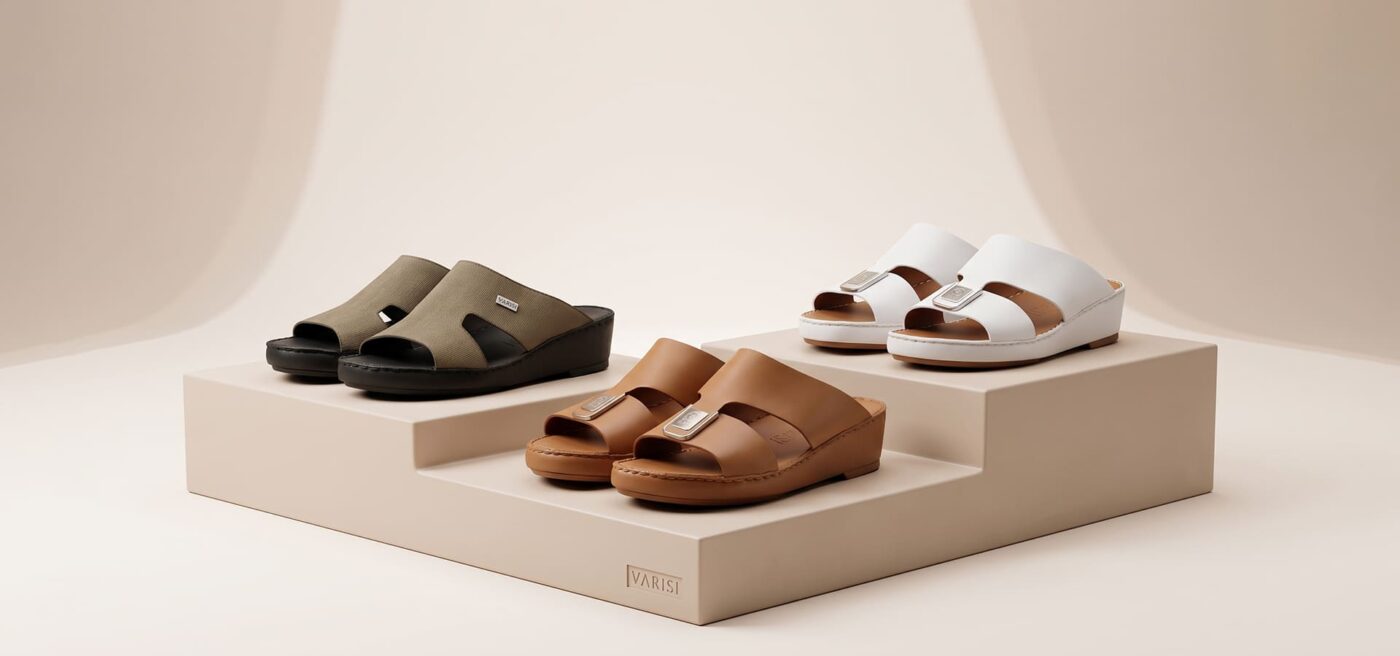
A good pair of sandals should make getting dressed easier, not give you another decision to worry about. It should work with your favourite clothes, feel appropriate for the occasion and remain comfortable throughout your daily routine. This is where mens Arabic sandals offer something distinctive. Their appeal lies in a recognisable traditional silhouette that can be interpreted through different colours, leather finishes and contemporary design details. For men in Qatar, where traditional and modern dressing often go hand in hand, choosing the right pair is as much about personal taste as practical footwear needs. Rather than selecting sandals simply because they look expensive, it is worth understanding what makes a design suitable for your lifestyle. Small differences in shape, strap placement and finish can change the overall appearance and wearing experience considerably. Mens Arabic Sandals: Understanding the Details Behind Their Design Arabic sandals are recognised for their distinctive construction, but individual designs can look surprisingly different. Some have clean, understated straps, while others feature more prominent leather arrangements that give the footwear a stronger visual identity. Three design elements deserve particular attention: Strap arrangement: The position and width of the straps influence how the sandal looks and how securely it sits on the foot. Toe design: Different front profiles create different impressions, from traditional and understated to more contemporary. Sole proportions: A slim profile often creates a minimal appearance, whereas a more substantial sole can give the sandal a bolder character. These details are useful when comparing different styles. Instead of choosing the first attractive design, consider how its proportions complement your feet and the clothing you normally wear. How to Choose Mens Arabic Sandals That Match Your Personal Style Personal style is not determined by price alone. The most successful footwear choices are those that complement existing wardrobe pieces rather than remaining unused after one occasion. Choose Colours With Your Wardrobe in Mind Colour can influence how frequently you wear a particular pair. Black offers a restrained appearance and works well with darker outfits. Brown and earth shades provide warmth, while white creates a cleaner, more noticeable finish. For a versatile footwear collection, consider these combinations: Black sandals with dark or neutral traditional clothing. Brown sandals with beige, cream and earthy shades. White sandals with lighter-coloured thobes and relaxed summer outfits. Dark blue sandals for a distinctive alternative to conventional colours. Varisi's men's collection includes options such as 1495 Nappa Leather White, 4815 Nappa Leather Brown and 3730 Nappa Leather Dark Blue, giving shoppers different colour directions to consider. Consider the Occasion Before the Design Not every pair needs to serve every purpose. A minimal design may be suitable for regular outings, while a more distinctive finish can complement carefully selected clothing for celebrations and social gatherings. Thinking about where you intend to wear your sandals helps narrow down the choices and prevents unnecessary purchases. Mens Arabic Sandals and the Importance of Getting the Fit Right Appearance may attract your attention initially, but fit determines whether you will enjoy wearing the sandals. Even premium materials cannot compensate for an unsuitable shape or uncomfortable strap positioning. When checking a pair, pay attention to the following: Heel placement: Your heel should sit comfortably within the footbed without extending excessively beyond its edge. Toe clearance: Your toes should have sufficient room without hanging over the front of the sandal. Strap pressure: Straps should hold your foot securely without rubbing or creating uncomfortable pressure. Walking stability: Take a few steps and check whether your foot remains properly positioned rather than sliding forwards or sideways. It is also sensible to measure both feet before ordering online, as minor differences between them are common. Always consult the manufacturer's size guide rather than assuming every brand follows identical measurements. Why Luxury Arabic Sandals Appeal to Modern Men in Qatar The demand for distinctive footwear is closely connected to changing expectations around everyday dressing. Men increasingly look for products that can complement traditional clothing without appearing overly conventional. This explains the appeal of luxury Arabic sandals. Their value is not simply in an expensive appearance but in the opportunity to select more considered materials, attractive finishes and designs that reflect individual preferences. For shoppers exploring luxury sandals in Qatar, it is useful to compare: The type and finish of leather used. The neatness of stitching and overall construction. The quality of the footbed and sole. The accuracy of the sizing information. The versatility of the design for different occasions. A higher price should be supported by identifiable product qualities. Looking at these details helps shoppers make decisions based on actual value rather than branding alone. Arabic Sandals in Qatar: Making the Right Choice for Everyday Life Qatar's warm climate makes breathable footwear an appealing option for many everyday activities. However, comfort also depends on how long you wear your sandals, the surfaces you walk on and how well the footwear fits. For daily use, avoid selecting a design purely for its appearance. Consider the flexibility of the sole, the feel of the leather against your skin and whether the straps remain comfortable during movement. When browsing Arabic sandals in Qatar, think about your typical routine. Someone who frequently attends family gatherings may prefer a different finish from someone looking for a simple pair for everyday errands. A useful approach is to build a small collection around different needs instead of expecting one design to suit every situation. Discover Distinctive Mens Arabic Sandals at Varisi Finding a design that reflects your preferences becomes easier when you can explore different leather finishes and silhouettes in one collection. Varisi offers a selection of men's footwear featuring models such as the 1495, 3730, 4740 and 4815 Nappa Leather collections. These include different colour variations, from white and dark blue to brown, grey and earth tones. For instance, someone who prefers a clean, understated appearance might explore the 1495 Nappa Leather White, whereas those who favour deeper colours can consider the 4815 Nappa Leather Dark Blue or Brown. The variety makes it possible to compare designs according to colour preferences and wardrobe requirements rather than following a single fashion trend. Explore the men's collection at Varisi to discover footwear that suits your personal style and everyday requirements. Simple Ways to Keep Your Mens Arabic Sandals Looking Presentable Leather footwear deserves regular attention, particularly when it is worn frequently. A little maintenance can help preserve its appearance and prevent dirt from accumulating. Follow these straightforward practices: Remove surface dust with a soft, dry cloth. Use leather cleaning products suitable for the specific material. Avoid leaving sandals in direct sunlight for extended periods. Allow damp footwear to dry naturally away from artificial heat. Store sandals in a clean, dry place. Follow the manufacturer's care instructions for conditioning and maintenance. Different leather finishes can require different treatments, so avoid applying cleaning products without checking their suitability first. Frequently Asked Questions What should I consider when buying mens Arabic sandals? Look at the leather, strap positioning, sole construction, colour and overall fit. The best choice should complement your clothing and suit the occasions for which you intend to wear it. Are mens Arabic sandals suitable for formal occasions? Yes. Understated leather designs in black, brown or other complementary shades can work particularly well with traditional formal clothing, including thobes. Which colour is easiest to style? Black and brown are versatile choices, while white, earth and dark blue offer alternatives for men who prefer a more distinctive appearance. How do I know whether leather sandals fit correctly? Your heel and toes should sit comfortably within the footbed. The straps should hold your feet securely without rubbing, pinching or restricting natural movement. Where can I explore luxury Arabic sandals in Qatar? Varisi offers a range of men's leather footwear in different designs and colours. Visit its online men's collection to compare the available styles. Final Thoughts Choosing footwear becomes easier when you understand what you actually need from it. The right design should complement your clothing, fit your feet properly and suit the occasions that make up your everyday life. Mens Arabic sandals continue to offer an interesting combination of traditional design and contemporary personal expression. Whether you prefer understated colours, distinctive leather finishes or a more modern silhouette, taking time to compare the details will help you make a better-informed decision. With its varied men's leather footwear collection, Varisi gives shoppers an opportunity to explore different interpretations of this enduring style and find a pair that feels genuinely suited to their wardrobe. Follow us on Instagram for the latest product updates, new arrivals, and exclusive offers.
Arabic Leather Sandals

Arabic Leather Sandals: Unlock a More Refined and Versatile Wardrobe

A well-planned wardrobe is not necessarily about owning more clothes; it is about choosing pieces that work together effortlessly. Footwear plays an important role in achieving that balance, particularly when an outfit needs to look polished without feeling overly formal. Arabic leather sandals offer an interesting way to introduce traditional character into modern men's dressing. Their distinctive designs, versatile colour options and association with Middle Eastern style make them a valuable choice for men who appreciate footwear that complements different occasions and personal preferences. How Arabic Leather Sandals Add Refinement to Men's Fashion Refined dressing often comes down to small decisions. The choice of footwear, for example, can influence whether an outfit feels relaxed, coordinated or suitable for a more formal setting. Arabic sandals have a distinctive identity that makes them different from conventional casual footwear. Their traditional silhouettes work particularly well with regional clothing, including thobes and other long garments. At the same time, contemporary designs can complement relaxed trousers, linen clothing and smart-casual outfits. What makes Arabic leather sandals particularly interesting is their ability to introduce cultural character without requiring an elaborate outfit. A simple combination of well-fitted clothing and thoughtfully selected footwear can create a balanced appearance. Build a Versatile Wardrobe with Arabic Leather Sandals Versatility is one of the most useful qualities to consider when purchasing footwear. Instead of selecting sandals for a single outfit, think about how they will fit into your existing wardrobe. Choose Colours That Complement Your Clothing Colour coordination can make everyday dressing considerably easier. Neutral shades are particularly useful because they work with different clothing combinations. Consider these options: Black: A dependable choice for darker outfits, traditional clothing and understated styling. Brown: Complements beige, cream, olive and other earthy colours. White: Creates a clean contrast with darker garments and works particularly well with light summer clothing. Dark blue: Offers an alternative to conventional neutral shades while maintaining a sophisticated appearance. Green: Adds individuality to a wardrobe built around understated colours. The best colour depends on what you already own. If most of your clothing consists of neutral shades, a distinctive sandal colour can introduce variety without making your overall appearance difficult to coordinate. Match Footwear with the Occasion Different occasions call for different levels of formality. A relaxed design may be appropriate for everyday errands, whereas a more refined silhouette can work better for social gatherings and traditional events. When selecting men's Arabic sandals, consider where you are most likely to wear them. This helps you avoid choosing footwear that looks attractive but rarely suits your actual routine. Balance Traditional and Contemporary Clothing Traditional footwear does not have to be restricted to traditional outfits. A carefully selected pair can also complement modern clothing. For example, brown leather sandals can work with tailored beige trousers and a simple shirt. Black designs may complement darker casual combinations, while lighter shades can create an appealing contrast with summer clothing. The key is maintaining visual balance. If your outfit already contains several patterns or strong colours, relatively simple footwear may create a more coordinated appearance. What Makes Luxury Arabic Sandals Worth Exploring? Luxury is often associated with appearance, but a more considered purchase involves looking at the complete product. Material descriptions, finishing, comfort, fit and design consistency should all influence your decision. When comparing luxury Arabic sandals, pay attention to the following details: Material information: Understand what type of leather is used and whether the product description clearly identifies its material. Design finishing: Look for consistent edges, balanced proportions and carefully presented details. Comfort: Consider the footbed shape, strap placement and sizing. A visually appealing design should also suit your feet. Practicality: Think about cleaning requirements, storage and whether the sandals are appropriate for your intended use. These considerations help distinguish a genuinely suitable purchase from one based mainly on attractive product photography. Arabic Sandals in Qatar: Choosing Footwear for a Warm Climate Climate is another important factor when building a practical footwear collection. In Qatar, warm weather makes open footwear an appealing option for many everyday activities. However, comfort also depends on the design, fit and materials. People exploring Arabic sandals in Qatar should consider how their footwear performs during regular outings, family visits and social occasions. Here are some useful purchasing considerations: Look for a comfortable fit that does not create unnecessary pressure around the toes. Consider whether the sole provides suitable grip for your usual walking environments. Choose colours that complement your regular clothing. Check the leather-care instructions, particularly when footwear may be exposed to moisture. Review available sizes and return conditions before ordering online. For buyers comparing luxury sandals in Qatar, it is worth considering long-term usefulness rather than selecting a pair simply because it follows a current fashion trend. Explore Distinctive Men's Footwear at Varisi Finding footwear that combines traditional inspiration with contemporary styling becomes easier when a collection offers different colours and material finishes. Varisi provides an online destination for men's leather footwear, including Nappa leather sandals in several colour variations. Its collection includes options such as dark green, dark blue, white and earthy shades, allowing shoppers to explore different styling preferences. These variations are particularly useful when building a more versatile wardrobe. Someone who prefers understated clothing may choose a darker option, while those interested in introducing more colour can explore alternatives that create a distinctive look. When browsing Varisi, take time to review individual product descriptions, sizing information and available photographs. Comparing these details can help you select footwear that complements your clothing and intended use. Explore the collection at Varisi to discover men's footwear influenced by traditional design and contemporary preferences. Simple Ways to Make Your Leather Sandals Last Longer A versatile wardrobe also benefits from proper footwear care. Leather requires attention to maintain its appearance, particularly when sandals are worn frequently. A few practical habits can make a difference: Remove dust using a soft, dry cloth after regular use. Follow the manufacturer's recommendations when selecting leather-cleaning products. Allow damp sandals to dry naturally rather than placing them near direct heat. Avoid prolonged exposure to strong sunlight when storing leather footwear. Keep sandals in a dry, ventilated storage area. Check the straps and soles periodically for visible signs of wear. Consistent care helps preserve the finish and condition of your footwear while making your purchases more worthwhile. Frequently Asked Questions Why are Arabic leather sandals a popular choice for men? They combine distinctive traditional styling with designs that can complement both regional clothing and contemporary casual outfits. How can I style Arabic leather sandals with modern outfits? Pair them with tailored trousers, linen clothing, neutral shirts or relaxed summer outfits. Choose colours that complement the rest of your clothing. Are luxury Arabic sandals suitable for everyday wear? They can be, provided the design offers an appropriate fit, comfortable construction and materials suited to regular use. Where can I buy Arabic sandals in Qatar? Varisi offers an online collection of men's leather footwear with different colours and styles. Visit its website to explore available options and product information. Which colour Arabic sandals is easiest to style? Black and brown are generally versatile choices. However, white, dark blue and green can also work well depending on your wardrobe. Create a More Refined Wardrobe, One Choice at a Time A versatile wardrobe is built through thoughtful decisions rather than constant additions. Footwear that complements different outfits, suits your daily activities and reflects your personal taste can make dressing simpler and more enjoyable. Arabic leather sandals offer an appealing combination of traditional influence and contemporary styling, making them worth considering for a range of occasions. Explore the men's collection at Varisi and find a design that brings character, versatility and a refined finish to your everyday wardrobe.
luxury Arabic sandals

Inside Luxury Arabic Sandals: The Fascinating Journey from Raw Leather to Finished Footwear

A well-made pair of luxury Arabic sandals is more than a finishing touch to an outfit. Its quality depends on the leather, the precision of the cutting, the construction of the sole, and the small details that influence comfort and appearance. From selecting suitable raw materials to shaping the final silhouette, every stage contributes to the character of the finished footwear. For men who appreciate traditional Middle Eastern style with a refined, contemporary look, understanding this process makes choosing the right pair much easier. At Varisi, the V500 Calf Black offers a useful starting point for exploring the appeal of black calf leather footwear. Its understated color makes it a versatile option for men who prefer a polished appearance without unnecessary decoration. Looking beyond the finished product reveals why material selection, craftsmanship, fit, and proper care matter when investing in quality Arabic-inspired sandals. What Makes Luxury Arabic Sandals Different? Arabic sandals have a distinctive place in Middle Eastern footwear, combining practical open footwear with designs suited to traditional clothing and modern wardrobes. Depending on the style, they may feature broad or narrow straps, carefully shaped footbeds, minimal ornamentation, and construction intended for everyday wear or more formal occasions. The luxury element is not simply a higher price or a glossy finish. It comes from the overall execution of the product. Clean edges, consistent stitching where applicable, balanced proportions, comfortable contact points, and a well-finished surface all contribute to the final result. Quality also depends on how the sandal performs after repeated use. A beautiful design should still fit securely, feel comfortable underfoot, and maintain its appearance with appropriate care. These practical considerations separate a thoughtful footwear purchase from one based on appearance alone. The Journey of Luxury Arabic Sandals Begins with Raw Leather Selecting Leather for Quality and Appearance Leather selection is one of the earliest decisions in footwear production. The material influences the sandal's texture, flexibility, durability, and ability to develop character over time. Different leather types behave differently during cutting, shaping, finishing, and wear, so the material must suit the intended design. Calf leather comes from young cattle and is commonly valued in premium leather goods for its relatively fine grain and smooth appearance. Depending on how it is processed, it can offer a refined surface that works particularly well with minimalist footwear. However, the word "calf" alone does not guarantee a particular quality level. The hide's condition, tanning method, finishing treatment, thickness, and consistency all influence the result. Buyers should also distinguish between genuine leather and synthetic materials rather than assuming that every material with a leather-like appearance has the same properties. For black sandals, the quality of the surface finish is especially noticeable. Uneven coloration, poorly finished edges, and visible inconsistencies can affect the overall appearance. Careful material selection helps create a more consistent finished product. Preparing the Leather Before Production Raw hides cannot simply be cut into straps and attached to a sole. Leather generally passes through preparation and processing stages before it becomes suitable for footwear. These can include preservation, tanning, drying, grading, trimming, and finishing, depending on the supplier and production method. Tanning stabilizes the hide so it is less susceptible to decomposition and more suitable for practical use. Different tanning processes produce different characteristics in terms of firmness, flexibility, color, and response to moisture. Once the leather is prepared, it is inspected for defects and variations. Areas with prominent marks, weak sections, or inconsistent thickness may need to be avoided for particular components. This is important because sandal straps must withstand repeated bending and tension while maintaining their shape. For manufacturers, preparation is also about consistency. Leather that is too stiff may feel uncomfortable around the foot, while leather that is excessively soft for a particular design may stretch more than intended. The appropriate balance depends on the sandal's construction and intended use. How Luxury Arabic Sandals Take Shape Creating the Pattern and Cutting Each Component Pattern development translates a design into individual pieces that can be cut and assembled. The pattern must account for the sandal's proportions, strap placement, foot shape, and the relationship between the upper and the sole. Precision matters because small differences can affect the way a sandal sits on the foot. A strap that is too tight may create pressure, while one that is too loose may allow the foot to move excessively. Poorly aligned components can also make a finished pair appear uneven. During cutting, manufacturers select appropriate sections of leather for the required pieces. Depending on the production setup, this work may involve hand tools, cutting dies, or specialized machinery. The main considerations include: Consistent dimensions: Matching components help maintain a balanced appearance across both sandals. Efficient material use: Thoughtful cutting reduces unnecessary waste. Grain direction: The orientation of the leather can influence how a component stretches and bends. Surface quality: Visible parts should have an appropriate, consistent finish. Structural suitability: Areas under repeated tension need suitable material and construction. This stage demonstrates why good footwear production requires more than an attractive design. The pattern and cutting decisions influence comfort, appearance, and long-term performance. Shaping the Straps and Refining the Edges The upper gives Arabic sandals much of their visual identity. Some designs use a simple arrangement of straps, while others have more distinctive shapes or decorative elements. Whatever the style, the upper must balance appearance with the practical demands of movement. Leather edges deserve particular attention. Depending on the design, they may be trimmed, smoothed, burnished, painted, or finished using another suitable method. The objective is to create an edge that looks clean and feels comfortable against the skin. Poorly finished edges can feel rough, show premature wear, or detract from an otherwise attractive sandal. Similarly, strap openings, attachment points, and bends must be handled carefully to avoid unnecessary stress on the material. The finishing method should suit the leather and the sandal's construction. Not every technique is appropriate for every type of leather, and an elaborate finish is not automatically better than a restrained one. In well-designed footwear, the details support the overall form rather than distract from it. Building the Sole for Support and Stability A sandal's sole affects more than its appearance. It influences flexibility, traction, ground feel, and the way pressure is distributed across the foot. The ideal construction depends on the materials used, the intended environment, and the design's priorities. The footbed should accommodate the wearer's foot without creating unnecessary pressure points. Sole thickness, shape, and flexibility can all influence comfort. Meanwhile, the outsole should provide suitable grip for the surfaces on which the sandal will normally be worn. Different footwear designs use different combinations of leather, rubber, and other materials. Leather may contribute a traditional appearance, while suitable rubber compounds can provide useful traction and abrasion resistance. The presence of a particular material does not, by itself, establish the overall quality of the sandal. When evaluating premium footwear, look for a sole that sits evenly, an upper that is securely attached, and a construction that feels stable during ordinary walking. These are more meaningful indicators than decorative details alone. Assembling the Finished Sandal Assembly brings the individual components together. Depending on the design, the process may involve stitching, adhesives, mechanical fastening, or a combination of methods. The appropriate technique depends on the materials and the intended construction. Alignment is critical during this stage. Both sandals should have consistent proportions, and the straps should sit in corresponding positions. The upper must also be attached securely enough to withstand normal use. Quality checks can identify issues such as uneven edges, loose threads, visible adhesive residue, irregular coloring, or inconsistent strap placement. A careful inspection also considers whether the sole is properly aligned and whether the finished footwear matches the intended design. Not every premium sandal is handmade from beginning to end. Some manufacturers combine skilled manual work with machinery to improve precision and repeatability. What matters to the buyer is the quality of the final product, the suitability of its materials, and the consistency of its construction. Why Luxury Arabic Sandals Require Attention to Detail Finishing, Inspection, and Final Quality Checks The final stage focuses on appearance, consistency, and usability. Surface treatments may be applied to achieve a particular color or sheen, while finishing work helps refine the visible edges and components. Black leather sandals illustrate the importance of this stage. A uniform black finish can create a sharp, understated look, but the surface should also be appropriate for the leather beneath it. Excessive polishing cannot compensate for poor construction or unsuitable materials. Before a pair is ready for use, a thorough inspection should consider: Whether both sandals match in shape and finish. Whether straps and attachment points appear secure. Whether the edges feel smooth and appropriately finished. Whether the soles are aligned and free from obvious defects. Whether the footbed and straps appear suitable for the intended fit. Whether the product matches its stated material and design specifications. These checks help establish consistency, although they cannot guarantee how every pair will perform under every condition. Actual durability also depends on materials, construction, frequency of use, exposure to moisture, and maintenance. Choosing Luxury Arabic Sandals for Everyday Style The manufacturing process explains how sandals are made, but choosing the right pair requires considering how they will fit into your lifestyle. A sandal intended for occasional formal wear may have different priorities from one designed for frequent walking or daily errands. How to Style Black Arabic Leather Sandals Black footwear is popular because it works with a wide range of colors and clothing styles. The V500 Calf Black from Varisi is a relevant option to explore if you prefer a clean, dark finish and a traditional Arabic-inspired aesthetic. Consider these combinations when styling Arabic leather sandals: With a traditional thobe: Black sandals create a restrained, coordinated appearance without competing with the clothing. With tailored trousers: Choose trousers with a clean hem to maintain balanced proportions and keep the footwear visible. With linen clothing: Neutral linen shirts and lightweight trousers create a relaxed look suited to warm weather. With smart-casual outfits: A simple shirt and well-fitted trousers complement minimalist sandals without making the outfit look overly formal. When selecting mens Arabic sandals, pay attention to strap placement, the width of the footbed, and whether your heel sits comfortably within the sole. Your toes should not extend beyond the front edge, and the straps should hold the foot securely without pinching. What to Consider When Buying Luxury Sandals in Qatar Climate and daily routines are important considerations when shopping for luxury sandals in Qatar. Warm conditions make breathable footwear appealing, but leather still requires sensible care, particularly when exposed to heat, sweat, dust, or moisture. Before purchasing, evaluate the following factors: Material: Check the product description to understand whether the upper is calf leather, another type of leather, or a synthetic alternative. Fit: Try the sandals on, if possible, and walk a short distance. Your foot should feel supported without excessive movement or uncomfortable pressure. Sole construction: Consider the intended walking surfaces and look for suitable traction and secure attachment. Versatility: A black pair can work with traditional clothing and many smart-casual outfits, making it a practical addition to a footwear collection. Care requirements: Ask about suitable cleaning products and conditioning methods for the specific leather finish. For shoppers exploring premium Arabic-inspired footwear, the Varisi V500 Calf Black product page provides a useful place to review the model's available details before making a decision. How to Care for Luxury Arabic Sandals and Preserve Their Finish Good leather footwear benefits from regular, appropriate maintenance. Even well-constructed sandals can lose their appearance prematurely if they are repeatedly exposed to moisture, excessive heat, or unsuitable cleaning products. Follow these practical steps: Remove surface dust: Use a soft, dry cloth after wearing the sandals. Address dirt carefully: Wipe the affected area with a slightly damp cloth when appropriate, avoiding excessive water. Allow natural drying: If the sandals become wet, let them dry at room temperature, away from direct sunlight and heaters. Use suitable leather care products: Test any cleaner or conditioner on a discreet area first and follow the manufacturer's instructions. Store them properly: Keep the sandals in a clean, dry, ventilated place away from prolonged direct sunlight. Rotate your footwear: Alternating pairs gives leather footwear time to dry between uses. Avoid assuming that every leather product requires the same treatment. Some finishes respond poorly to oils, waxes, or conditioners intended for other leather types. When in doubt, follow the care instructions provided by the manufacturer. Frequently Asked Questions About Luxury Arabic Sandals What makes luxury Arabic sandals worth considering? Their appeal comes from a combination of design, material selection, construction quality, fit, and finishing. A well-made pair can complement traditional and contemporary clothing, provided it suits the wearer's needs. Is calf leather suitable for Arabic sandals? Calf leather is commonly used in premium leather goods because it can offer a fine grain and refined appearance. Its suitability depends on the leather's processing, thickness, finish, and the sandal's construction. How can I choose comfortable mens Arabic sandals? Check the footbed length and width, strap placement, heel stability, and sole flexibility. The sandals should feel secure without rubbing or creating pressure points. Comfort can vary with individual foot shape. Are black Arabic leather sandals versatile? Yes. Black is easy to coordinate with traditional garments, neutral trousers, and many smart-casual outfits. The sandal's design and finish will determine how formal or relaxed it looks. How should I maintain leather sandals in Qatar's climate? Remove dust regularly, avoid prolonged exposure to direct heat, and allow the sandals to dry naturally after perspiration or moisture. Use leather care products appropriate for the specific finish. Where can I explore the Varisi V500 Calf Black? You can view the product details on the Varisi V500 Calf Black product page. Review the listed specifications, materials, sizing information, and care guidance before purchasing. From Raw Leather to a Refined Finish: The Value of Thoughtful Craftsmanship The journey from raw leather to finished footwear involves a series of decisions that shape how a sandal looks, feels, and performs. Leather selection establishes the material's character, precise cutting defines its proportions, careful assembly brings the design together, and final inspection helps maintain consistency. For anyone considering luxury Arabic sandals, these details offer a more practical way to evaluate quality than appearance or price alone. Material transparency, a comfortable fit, reliable construction, and appropriate care all contribute to a satisfying purchase. The Varisi V500 Calf Black is worth exploring if you are looking for a black, calf-leather Arabic-inspired style. By understanding the craftsmanship behind the footwear and checking the product's actual specifications, you can make a more informed choice that balances personal style with everyday practicality. Follow us on Instagram for the latest product updates, new arrivals, and exclusive offers.

black leather sandals for men

Unlock 7 tips to style black leather sandals for men with a Sophisticated look

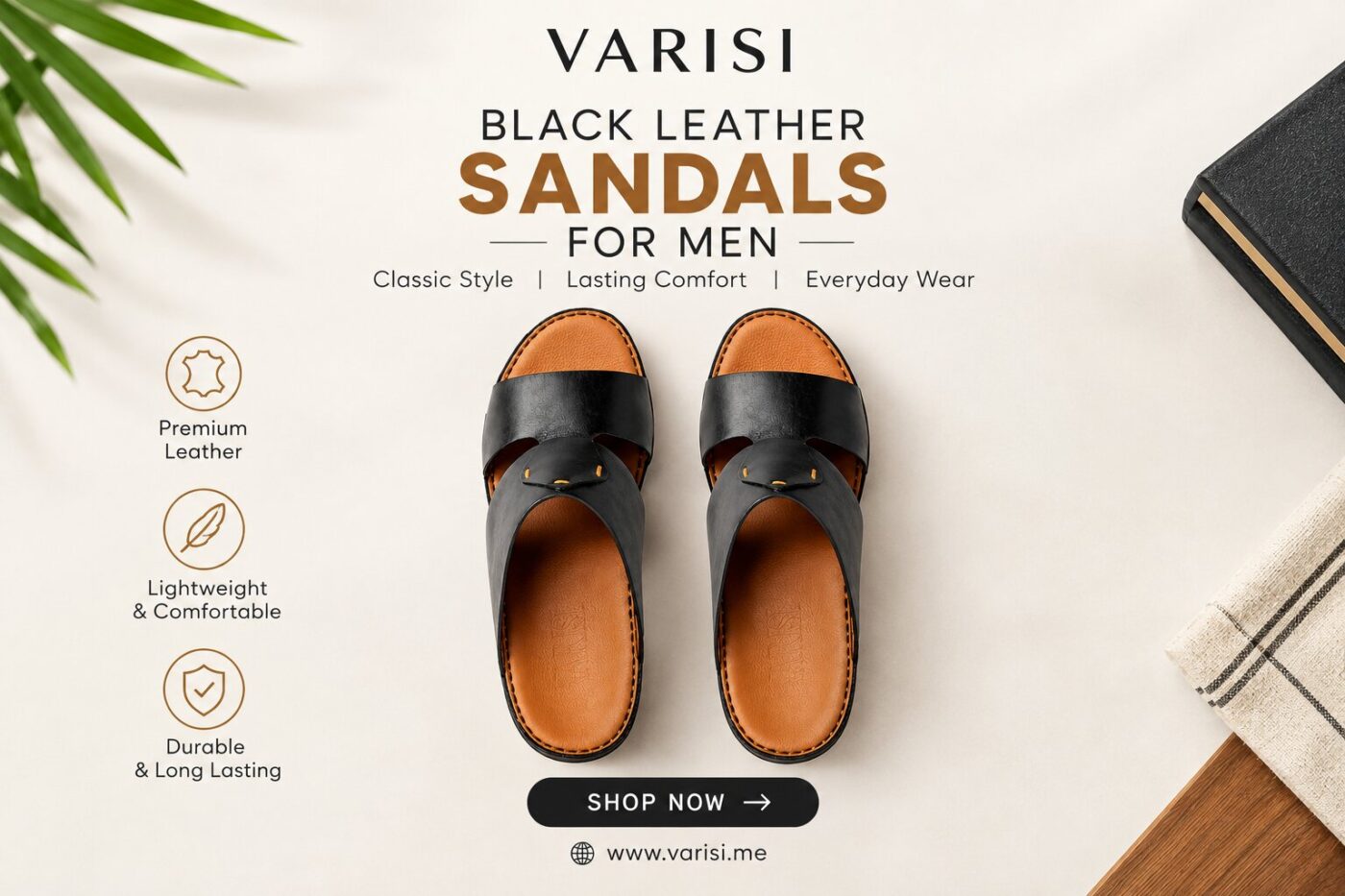
A sophisticated outfit does not always require formal shoes. Moreover, black leather sandals for men can create a refined, confident appearance when chosen carefully. In Qatar, warm weather and elegant social settings often coexist, making a well-made leather sandal a versatile wardrobe piece. At Varisi, sophistication is treated as a combination of material, fit, proportion, and restraint. Additionally, the brand’s approach to premium Arabic leather sandals shows that a sandal can be comfortable and practical. Below are seven practical secrets to help wear black leather sandals for men with confidence. Why Black Leather Sandals for Men Look Alike but Wear Very Differently Line up ten pairs of black leather sandals for men on a shelf and they’ll look almost identical: flat sole, a few straps, a dark finish. The differences show up after a week in real heat. One pair softens and settles around your foot. Another rubs your heel, slips, or cracks near the toe. Most of that comes down to details product photos hide. To help you spot them, we’ve listed 7 secrets below that explain how to choose, style, and care for a pair that looks sophisticated and lasts. 1. Start With Leather That Looks Better Over Time Sophistication begins with the material. Cheap coated leather looks acceptable for about a month, then the finish cracks near the toe and the straps start to peel. Quality hides do the opposite. They soften, take on a slight sheen, and develop small marks that read as character rather than damage. When you evaluate black leather sandals for men, look at the grain up close. Real leather has tiny natural irregularities, while imitation surfaces show a repeating, stamped pattern. Press your thumb into a strap. It should flex and spring back without feeling plastic. If a seller can’t tell you which grade of leather is used, treat that as a warning sign. Many shoppers looking for black leather sandals for men in Qatar assume the label guarantees quality. However, it doesn’t. The term simply confirms the product is real hide, which ranges from full-grain to low-grade split leather. Ask for the specific grade and you’ll learn more in thirty seconds than a product tag will tell you. 2. Choose a Slim, Clean Silhouette Bulky soles and oversized buckles make a sandal look casual, even when the leather is excellent. A refined pair keeps the lines simple: a modest sole, a low profile, and straps that sit flat against the foot. Think of the sandal the way a tailor thinks of a jacket. The shape should follow the foot rather than overpower it. A thick, lugged outsole belongs on a hiking sandal. For city wear, dinners, and gatherings, a thinner profile with a supportive footbed looks sharper and feels lighter. Why Heritage Designs Get This Right This is where traditional footwear has an edge. Classic Arabic leather sandals were shaped around restraint: a flat profile, a toe loop or a broad front strap, and a clean heel line. Decoration is minimal, and the proportions do the work. When you browse Arabic sandals in Qatar, the strongest options respect that structure but update the comfort underneath with cushioned insoles and a more durable sole, so the look stays classic while the wear experience feels current. 3. Let Black Leather Sandals for Men Anchor a Simple Outfit The sandal should be the finishing touch, not the loudest item on the body. Keep the rest of the outfit quiet and the shoe will look intentional. Some pairings that consistently work: A white or cream thobe: The contrast is crisp. Keep the sandal slim and the hardware subtle. Navy or olive chinos with a linen shirt: Roll the cuff once so the ankle shows. Tailored shorts just above the knee: Pair with a plain cotton polo, not athletic wear. Dark, lightweight trousers with a pressed shirt: A smooth, minimally detailed sandal works for relaxed dinners. The rule is consistency. If your clothes are tailored and neat, a sandal with clean lines fits right in. If your outfit is baggy or sporty, the sandal will look out of place no matter how well it’s made. 4. Grooming Matters More Than the Shoe Open footwear exposes the whole foot, so grooming is part of the look. This is the secret most style guides skip, and it makes the biggest visible difference. Keep toenails trimmed and clean. Moisturize heels, especially in dry climates where skin cracks easily. Use a pumice stone once a week to remove rough patches. A few minutes of effort will do more for your appearance than spending an extra hundred dollars on the sandal itself. Pay attention to the leather too. A dusty footbed or dull straps undercut an otherwise neat outfit. Wipe your pair with a soft cloth before heading out. It takes ten seconds. 5. Get the Fit Right, or Nothing Else Works Even a beautiful sandal looks clumsy if it doesn’t fit. A heel hanging off the back, toes overhanging the front, or straps digging into the skin all change how you walk, and people notice posture and gait more than they realize. Use this quick fit check: Try them in the evening, when your feet are at their largest. Seat your heel fully on the footbed. Leave a small margin at the front so toes rest comfortably within the edge. Stand and walk on a hard surface. Listen for slapping and feel for slipping. Check strap pressure across the top of the foot. Snug is good. Pinching is not. If you’re between sizes, size up only when the strap design is adjustable. A fixed strap on an oversized sandal causes heel slide and blisters. 6. Choose Luxury by Craft, Not by Label Buyers comparing luxury sandals in Qatar often get pulled toward familiar names. A better approach is to judge the sandal on what’s actually in your hands. Real luxury shows up in details: hand-finished edges, even stitching, a footbed shaped for real feet, and leather that feels substantial rather than thin. Flip the sandal over. A premium pair has a sole with some weight to it, a firm bond to the footbed, and clean finishing where layers meet. Check the inside of the straps. If the edges are smooth and sealed, the maker paid attention to the parts nobody sees in photos. That same care usually carries through the entire product. A higher price should come with identifiable reasons. If you can’t name two or three, keep comparing. 7. Care for the Leather Like It’s a Long-Term Investment Sophistication fades quickly when leather looks tired. A simple routine keeps a pair presentable for years. Wipe after wearing to remove dust and sweat salts. Rotate pairs. Leather needs about a day to dry out between wears. Condition monthly with a quality leather conditioner, then buff lightly. Touch up scuffs with black cream polish and let it dry completely. Store in shade. Direct sun fades black dye and dries out the hide. Avoid soaking. Water stiffens leather and strips its natural oils. In the Gulf, heat and fine dust are the main enemies. Never leave sandals in a parked car, where temperatures can warp soles and bake the leather. Why Black Is the Smartest Color Choice Black is often chosen because it is safe, but it is also one of the most practical colors for men’s footwear. It coordinates with nearly every neutral shade and maintains a clean appearance even with regular use. Versatility Across Wardrobes Black leather sandals work with traditional clothing, casual outfits, and travel wear. This makes them a strong choice for men who want one dependable pair rather than a drawer full of options. A Quiet Sense of Luxury Black does not need to announce itself. When paired with quality leather and a clean design, it creates a refined impression without relying on bright colors or bold details. This understated approach is what makes black leather sandals for men so effective for sophisticated dressing. Why Varisi Is a Strong Choice Varisi focuses on premium Arabic footwear made with genuine leather and careful attention to detail. Its collection includes traditional designs as well as modern silhouettes, giving men options for religious gatherings, family events, travel, and everyday wear. For men seeking luxury sandals in Qatar, Varisi offers a practical standard: quality leather, balanced construction, and designs made to be worn repeatedly. The brand’s emphasis on craftsmanship makes its black leather sandals suitable for men who want footwear that feels as good as it looks. Frequently Asked Questions How do I make black leather sandals for men look more formal? Choose a smooth, polished finish with minimal hardware, wear them with pressed trousers or a clean thobe, and keep the leather conditioned and free of dust. Should my sandals match my belt? Ideally, yes. Matching the leather color, and loosely matching the buckle metal to your watch, makes the outfit look coordinated. Is a toe post or a wide strap more refined? Both work. A toe post looks sleek with flowing garments, while a wide front strap looks more structured with tailored trousers. Are sandals suitable with a thobe? Yes. Slim black leather sandals are a natural match for a white or light thobe. Avoid chunky soles and oversized buckles. How long does a good pair last? With rotation and regular conditioning, quality leather sandals can last several years. Poorly made or coated leather may crack within a season. Final Thoughts Looking sophisticated in sandals isn’t about hiding the fact that they’re open. It’s about choosing quality leather, keeping the shape clean, getting the fit right, and treating grooming as part of the outfit. Apply the seven secrets above and black leather sandals for men will earn a regular spot in your rotation, whether you’re heading to a family gathering, a casual dinner, or a long afternoon out. Follow us on Instagram for the latest product updates, new arrivals, and exclusive offers.
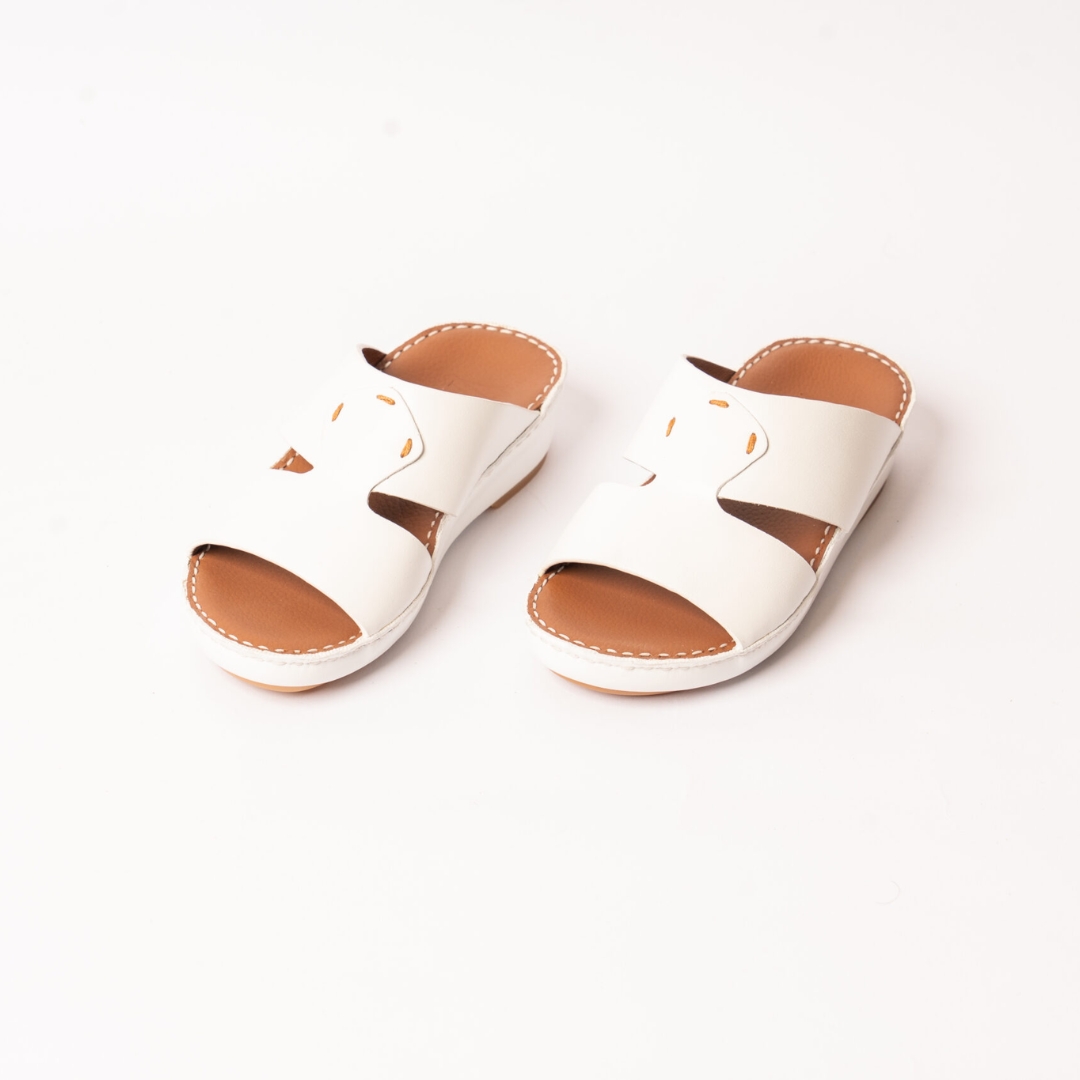
genuine leather sandals Qatar

Discover the Remarkable Comfort of Genuine Leather Sandals in Qatar

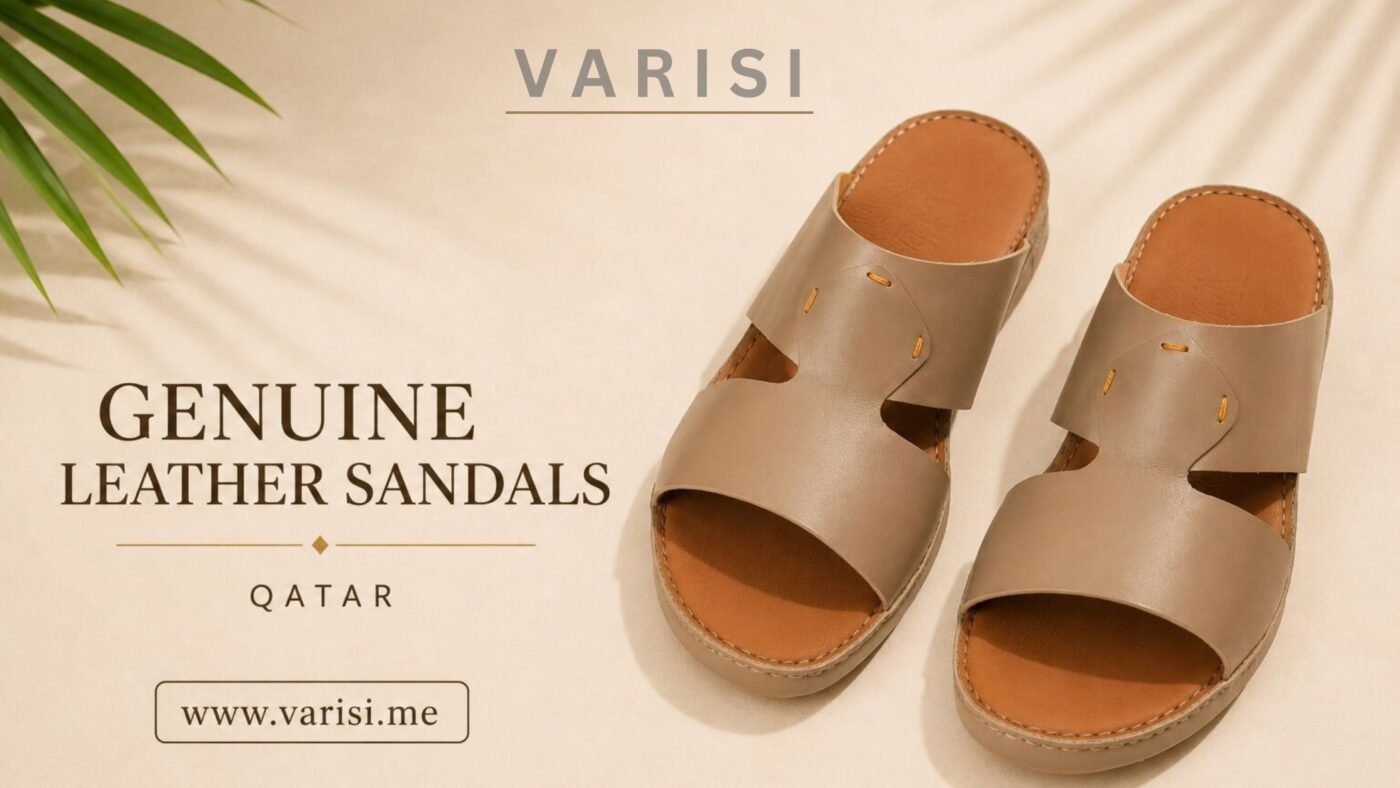
There's a particular moment every resident of Qatar knows well — stepping outside at midday in July, feeling the pavement heat rise through the soles of your shoes within seconds. It's in that exact moment that the difference between ordinary footwear and genuine leather sandals in Qatar becomes impossible to ignore. One pair leaves your feet damp, irritated, and ready to come off the second you're indoors. The other barely registers the heat at all. That contrast is the entire reason this conversation matters here, in a country where footwear has to earn its place in your daily routine rather than just look good in a photo. At Varisi, this isn't theoretical. It comes from fitting hundreds of customers, listening to what actually bothers people about the sandals they're replacing, and building something that solves those specific complaints rather than guessing at them. The Real Reason Genuine Leather Sandals in Qatar Outperform Everything Else Most people assume sandal comfort comes down to cushioning alone. It doesn't. Cushioning matters, but it's secondary to something more fundamental: how the material responds to heat, sweat, and friction over an entire day. Synthetic materials — PU leather, rubber compounds, plastic blends — are essentially sealed surfaces. They don't allow moisture to pass through, which means whatever your foot produces over eight or ten hours of wear just sits against your skin. In Doha's climate, where outdoor temperatures routinely sit above 40°C for months at a stretch, this turns into a real problem fast: soft tissue breakdown, blistering, and that unmistakable smell that no amount of spraying will fully fix. Genuine leather works on a completely different principle. Its fibrous structure has natural micro-pores, so air moves through it instead of being trapped. This single property is why genuine leather sandals in Qatar consistently get chosen by people who've already tried the cheaper alternatives and learned the hard way that synthetic materials and Gulf summers don't mix. A Material That Improves Instead of Degrading Here's something most people don't expect: leather gets better with wear, not worse. Within the first two weeks of regular use, the fibers begin to relax and reshape around the unique contours of your foot — your arch height, the width across your toes, the pressure points along your heel. Synthetic materials can't do this. They either stay rigid or they break down structurally, which is why a cheap sandal often feels fine on day one and falls apart by week six. Arabic Sandals in Qatar: Function Built Into the Design, Not Added Later It's worth understanding where this style of footwear actually comes from, because the design choices aren't arbitrary. Arabic sandals in Qatar carry forward a design language shaped by centuries of movement across hot, arid terrain — markets, mosques, courtyards, and long stretches of walking between them. The open structure wasn't a style decision first; it was a survival decision. Enclosed shoes trap heat. Open-toe, strap-based designs let air circulate continuously, which mattered enormously before air conditioning existed and still matters now for anyone spending real time outdoors. The low, flat sole wasn't about minimalism either — it kept the foot stable on sand and uneven stone without adding unnecessary bulk or weight. What's changed is the refinement, not the underlying logic. Modern Arabic leather sandals built by brands like Varisi take that original structural wisdom and pair it with details older versions didn't have — contoured footbeds, reinforced stitching at pressure points, and leather treatment processes that extend the material's lifespan well beyond what older tanning methods could achieve. Why This History Still Shapes Buying Decisions Today When customers describe wanting something that "feels right" for Qatar, they're often unconsciously describing this inherited design logic — even if they've never thought about where it came from. A sandal that breathes, sits low and stable, and doesn't fight against the heat isn't a modern invention. It's a refinement of something that's been solved, imperfectly, for a very long time. Spotting Luxury Sandals in Qatar: The Details That Actually Matter The word "luxury" gets attached to a lot of products without much behind it. When it comes to footwear, there are specific, checkable details that separate genuinely well-made sandals from ones that simply look expensive in photos. Hide quality — Full-grain leather retains the natural surface of the hide, including its strength and flexibility. Lower grades are sanded and coated to hide flaws, which also strips away durability. Stitch density and placement — High-wear zones like the toe post and heel strap need tighter, reinforced stitching, not decorative topstitching that looks neat but offers no structural support. Sole construction — A good sole flexes with your foot's natural movement instead of forcing your foot to adapt to a stiff, flat surface. Edge finishing — Raw or poorly sealed leather edges fray and darken unevenly with water exposure; properly burnished edges hold their shape for years. Consistency of dye — Natural dyes penetrate the leather rather than sitting on top of it, which is why quality sandals age into a richer tone instead of fading in patches. These details rarely show up in a quick glance, which is exactly why so many buyers end up disappointed a few months after purchase. Luxury sandals in Qatar earn that label through construction choices most people never think to check — not through branding or price alone. What to Actually Look For When Buying Shopping for sandals suited to this specific climate and lifestyle comes down to a short list of practical questions, more than aesthetic preference alone. Does the sole bend naturally when you flex it by hand? If it feels stiff even unworn, it will likely stay uncomfortable. Are the straps wide enough to distribute pressure? Thin straps dig in after a few hours of walking, especially in heat-swollen feet. Is the stitching reinforced at the toe post? This is the single most common failure point in lower-quality sandals. Does the color suit practical, everyday conditions? Lighter tones show dust and sand far more visibly than deeper, richer shades. Will it transition between settings? A well-designed pair should move easily from a grocery run to an evening gathering without feeling out of place either way. Getting these answers right before buying saves the frustration of a pair that looks good in the store but becomes unwearable within a season. Keeping Leather Sandals in Good Condition Through Qatar's Climate Leather isn't high-maintenance, but it does respond to neglect faster in dry, dusty conditions. A few habits make a measurable difference over time: Brush off dust and sand after outdoor wear rather than letting it grind into the leather's surface Avoid leaving sandals in direct sunlight or a hot car for extended periods, since excessive heat dries out natural oils in the leather Use a leather conditioner every couple of months, particularly during the driest stretches of the year Store sandals somewhere ventilated rather than sealed in plastic, which traps moisture and encourages mildew None of this takes much time, but skipping it is the single biggest reason people assume leather doesn't hold up — when in most cases, it was simply never given the basic care it needed. Who Actually Benefits Most From Genuine Leather Sandals in Qatar Not every buyer has the same reason for switching, and that's worth pointing out because the benefits show up differently depending on lifestyle. For someone who spends most of the day on their feet — retail staff, delivery drivers, people constantly moving between indoor and outdoor spaces — the breathability of genuine leather sandals in Qatar translates directly into fewer blisters and less end-of-day fatigue. For parents running errands with kids in tow, the appeal is more about convenience: a pair that slips on instantly at the door and holds up to being kicked off and stepped back into a dozen times a day without the straps loosening or the sole separating. Even for people who mostly stay indoors in air-conditioned spaces, the moment they step out to the car or across a parking lot is often enough to notice the difference, since asphalt and tile both hold heat far longer than people expect. How Genuine Leather Sandals in Qatar Compare Across Price Points One question that comes up constantly is whether a higher price actually buys anything meaningful, or whether it's just branding. In practice, the price difference in genuine leather sandals in Qatar tends to track closely with three things: the grade of hide used, the amount of hand-finishing involved, and the quality control applied to stitching and sole bonding. A budget pair might use genuine leather on the surface but pair it with a weaker adhesive sole that separates within months. A mid-range pair typically holds up better structurally but may skip finer details like burnished edges or contoured arch support. The higher end of the market, where Varisi positions itself, is where all three elements line up — solid hide, careful construction, and finishing that's built to be walked on daily rather than displayed once and forgotten. Understanding this breakdown helps buyers see past the price tag alone and judge what they're actually paying for. Common Mistakes People Make When Buying Genuine Leather Sandals in Qatar A surprising number of complaints about leather sandals trace back to buying mistakes rather than product defects. One of the most frequent is purchasing a size that feels slightly tight, assuming the leather will "stretch out" — which it does, but only by a small margin, so starting too tight usually just means weeks of discomfort before the fit becomes bearable. Another common mistake is judging comfort entirely in an air-conditioned store, where leather feels stiffer than it will after a few days of real wear and ambient heat. People also tend to overlook strap adjustability, assuming a fixed-strap design will fit as well as one with a buckle or added notch, when in reality foot swelling from heat can change fit noticeably over the course of a day. Avoiding these missteps is often the difference between a pair that becomes a daily favorite and one that ends up pushed to the back of the closet after a few uneven wears. Genuine Leather Sandals in Qatar and the Shift Toward Mindful Buying There's a noticeable change in how people here are shopping for footwear compared to a few years ago. Fast fashion versions of sandals used to dominate casual conversations — cheap, replaceable, barely thought about past the purchase. That's shifting. More buyers are now asking how something is made before they ask how much it costs, and genuine leather sandals in Qatar sit right at the center of that shift. Part of it is practical fatigue with replacing synthetic pairs every few months. Part of it is a growing awareness that a well-made product, even at a higher upfront cost, often works out cheaper over a year or two once you factor in how often cheaper alternatives need replacing. This isn't a trend driven by marketing; it's driven by people comparing receipts and realizing the math favors quality. Styling Genuine Leather Sandals in Qatar for Different Settings One thing that often surprises first-time buyers is how versatile a well-made pair actually is. A simple, neutral-toned leather sandal pairs naturally with a thobe or kandura for daily errands, works just as comfortably with casual Western wear like jeans or linen trousers, and still holds up visually at slightly dressier gatherings when paired with the right outfit. This versatility matters more in Qatar than it might elsewhere, since the same pair of sandals often needs to carry someone from a morning at the souq to an evening family visit without a change of shoes in between. Darker shades like espresso or deep tan tend to offer the most flexibility, since they read as polished without looking overly casual or overly formal in either direction. The Environmental Argument for Genuine Leather Sandals in Qatar It's easy to overlook, but durability has an environmental dimension that's becoming harder to ignore. Synthetic sandals that wear out every few months end up in landfill cycles far faster than their leather counterparts, and the production of synthetic materials typically relies more heavily on petroleum-based inputs. A single well-made pair of genuine leather sandals in Qatar, properly cared for, can realistically outlast three or four synthetic pairs bought over the same stretch of time — which means less waste generated per year of actual wear. This isn't the primary reason most people switch to leather, but for buyers who do think about it, it's a meaningful secondary benefit layered on top of the comfort and durability advantages that usually come first. Final Thoughts Comfort isn't something you can judge from a shelf or a product photo. It shows up hours into wear, in how your feet feel by the end of a long day, and in whether a pair survives repeated exposure to heat, sand, and movement without losing its shape. That's the real standard, and it's one that genuine leather sandals in Qatar meet in a way few alternatives can match. This is the thinking behind every pair built by Varisi — not chasing trends, but solving the specific, practical problem of what footwear needs to do in this part of the world. If you've been getting by on sandals that weren't really built for this climate, it might be worth seeing what the difference actually feels like. Varisi's collection is put together with exactly these conditions in mind, and browsing through it at varisi.me is a reasonable place to start if you're ready for a pair that keeps up with how you actually live. Frequently Asked Questions Why do genuine leather sandals in Qatar feel cooler than synthetic ones?Leather has a naturally porous structure that lets air circulate, while synthetic materials trap heat and moisture against the skin. Is there a difference between Arabic leather sandals and generic leather sandals?Yes — Arabic designs typically prioritize open structures and low, stable soles shaped by regional climate needs, rather than following generic fashion templates. How can I tell if sandals qualify as genuinely luxury-grade?Look for full-grain leather, reinforced stitching at pressure points, flexible soles, and properly finished edges — not just a higher price tag. Do Arabic sandals in Qatar work for formal occasions?Many simpler, well-crafted designs transition easily between casual and semi-formal settings, depending on the color and strap style chosen. How often should leather sandals be conditioned in this climate?Roughly every two to three months, or more frequently during particularly dry or hot stretches, to prevent the leather from drying out and cracking. Follow us on Instagram for the latest product updates, new arrivals, and exclusive offers.
men's arabic footwear

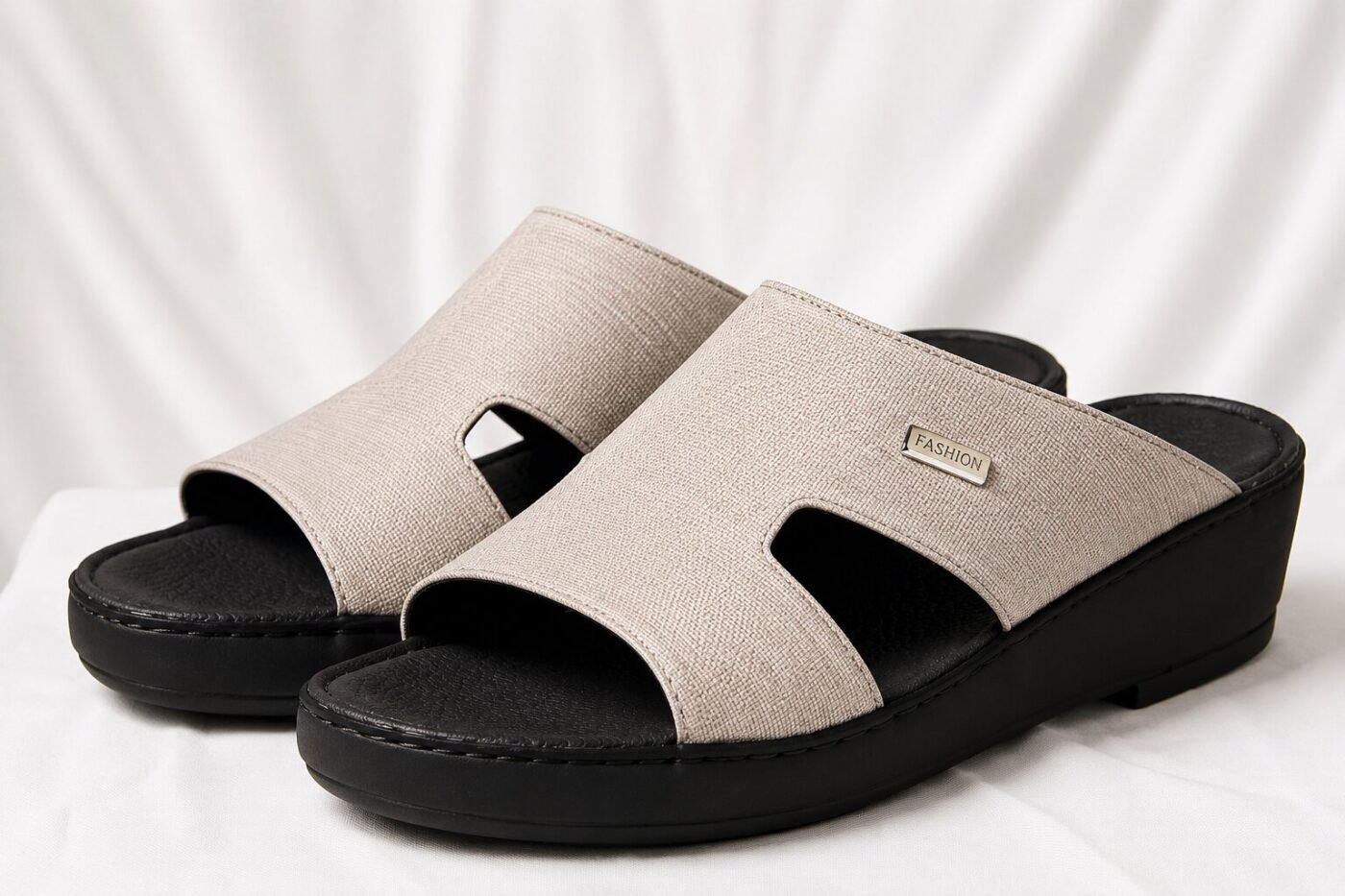
Authentic Men’s Arabic Footwear: How to Spot Genuine Craftsmanship in Seconds

A shopkeeper in an old leather market once picked up two nearly identical sandals, handed them to us, and asked which one we'd wear for six months straight. The answer was obvious within seconds, not because of price tags or branding, but because of how each pair felt, bent, and smelled. That moment sums up everything worth knowing about men's Arabic footwear: authenticity reveals itself fast once you know where to look. At Varisi, this kind of hands-on evaluation happens constantly. We work closely with artisans who still shape leather the traditional way, and that exposure has taught us exactly which details separate genuine work from a convincing copy. This guide breaks those details down clearly, so the next time you're shopping, you won't need anyone else's opinion to know what you're holding. Why Genuine Men's Arabic Footwear Is Getting Harder to Find The rise in demand for men's Arabic footwear has attracted manufacturers more interested in speed than tradition. Factories now produce sandals that mimic traditional silhouettes using layered synthetics instead of tanned hide. From a few feet away, they look convincing. Up close, and especially after a few weeks of wear, the differences become obvious through cracking, peeling, or a stiffness that never softens. This shift matters because most buyers aren't purchasing men's Arabic footwear as a one-time novelty. These are daily-wear pieces, used for prayer, errands, and long hours on hot pavement. A pair that fails after a short time doesn't just waste money, it defeats the entire purpose of choosing traditional footwear in the first place. The Problem With Today's Footwear Market Search for men's Arabic footwear online and you'll get flooded with options, many of them factory-made pieces dressed up to look traditional. The shape is copied perfectly. The materials are not. These pairs often use bonded synthetic layers pressed to resemble leather grain, and while they photograph well, they rarely survive more than a season of regular wear. This matters because traditional sandals and slippers aren't just a fashion choice for most buyers. They're worn daily, often for prayer, travel, and long hours on hard flooring. A pair that looks right but performs poorly ends up costing more in the long run than a slightly pricier, genuinely made pair would have. How to Identify Authentic Men's Arabic Footwear in Under a Minute You don't need to be a leather expert to catch a fake. A few physical checks, done in sequence, tell you almost everything. Start With the Scent Real leather carries a natural, slightly earthy smell that develops during the tanning process. Synthetic uppers, on the other hand, often carry a faint chemical or plastic odor, even when manufacturers try to mask it with fragrance sprays. Bringing the shoe close and smelling it before anything else is the fastest filter available. Test the Flex Point Bend the footwear gently at the ball of the foot. Genuine leather flexes with a soft, organic give and holds a slight crease afterward. Synthetic alternatives tend to either resist bending stiffly or snap back too quickly, since they lack the fibrous structure real hide has. Examine the Underside of the Sole A hand-cut leather sole shows small natural variations, slightly uneven edges, and subtle color shifts from the tanning process. A perfectly smooth, uniform underside with no texture at all is usually a sign of a molded synthetic base rather than real material. What Makes Men's Arabic Footwear Feel Different on the Foot Beyond visual checks, comfort itself tells a story. Genuine men's Arabic footwear molds slightly to the shape of your foot within the first few wears, something synthetic materials rarely do. This happens because natural leather fibers respond to heat and pressure over time, gradually softening in the areas where your foot presses hardest. Synthetic soles, by contrast, tend to stay rigid indefinitely or break down unevenly, creating pressure points that cause discomfort during long wear. If a pair still feels exactly the same after weeks of regular use, showing no adaptation at all, that consistency is often a red flag rather than a good sign. Luxury Arabic Sandals vs. Standard Men's Arabic Footwear Not every authentic pair sits at the same tier. Within genuine men's Arabic footwear, there's a clear separation between everyday sandals and luxury Arabic sandals, and the gap comes down to sourcing and construction method rather than appearance alone. Luxury Arabic sandals are typically cut from a single continuous section of full-grain hide, which keeps the leather's fiber structure intact across the entire strap. This makes the material more resistant to stretching or tearing at stress points. Standard pairs often piece together smaller sections of leather, which works fine initially but tends to wear unevenly at the seams over months of use. A few features that typically separate the two tiers: Leather cut: Single-piece construction versus multiple joined sections Finishing rounds: Multiple oiling and buffing passes versus a single quick finish Edge treatment: Hand-burnished edges versus raw or machine-sealed edges Hardware quality: Solid metal buckles versus lightweight plated alternatives What Makes Mens Arabic Slippers Different to Evaluate Slippers get judged by different standards than open sandals, mostly because they're worn indoors for longer stretches. When shopping for mens Arabic slippers, a few extra details are worth checking beyond the five core tests above. Insole flexibility: Quality slippers use a softer, more pliable insole that shapes to your foot rather than staying rigid. Seam placement: Well-made slippers position seams away from pressure points like the ball of the foot, reducing rubbing over long wear. Heel structure: A slight reinforcement at the heel prevents the material from collapsing inward after repeated use, something cheaper slippers often lack entirely. Because slippers are worn barefoot far more often than sandals, material quality has a bigger direct impact on comfort. A pair that fails the leather checks above will almost always feel worse against bare skin within weeks. Shopping for Arabic Sandals in Qatar: A Local Perspective Buyers looking for Arabic sandals in Qatar face a particular challenge: the market includes everything from artisan-made pairs to bulk imports sitting on the very same shelf. Price alone won't tell you which is which, since some imports are marked up to imitate premium pricing. A few practical steps make shopping easier: Request to see the leather's underside before buying, since sellers confident in their product rarely hesitate. Test two or three pairs from the same rack, since quality control can vary even within a single batch. Ask how long the sandals have been in stock, since older synthetic stock tends to develop a stronger chemical smell over time, making the smell test even easier. Buying men's Arabic footwear locally gives you a hands-on advantage that online shopping can't fully replace, so use it. If you're ordering online instead, insist on close, unedited photos of the sole edge and stitching before committing. Simple Maintenance That Protects Your Investment Even genuine leather needs upkeep, especially in hot, dry conditions where cracking happens fast without care. Wipe the leather down after each wear to remove salt and moisture from sweat. Condition the leather every couple of weeks using a natural oil-based product. Keep pairs out of direct sunlight when not in use, since prolonged heat exposure dries out the fibers. Let damp footwear air dry naturally rather than using direct heat sources, which can warp the shape. Skipping these steps is one of the most common reasons people assume a genuine pair was poor quality, when the real cause was simply neglect. Final Thoughts Telling real men's Arabic footwear from a convincing imitation isn't complicated once you know what to check. Smell, pressure response, sole texture, stitch depth, and how the material reacts to warmth will tell you almost everything in under a minute. Layer that knowledge with an understanding of what separates standard pairs from luxury Arabic sandals, and you'll shop with real confidence going forward. Whether you're after mens Arabic slippers for everyday comfort or searching specifically for Arabic sandals in Qatar, these same fundamentals hold true everywhere. At Varisi, every pair we offer is held to this exact standard, because genuine craftsmanship shouldn't be something customers have to guess about. Frequently Asked Questions What's the quickest way to check if men's Arabic footwear is genuine?Smell the leather first, then press your thumb into the upper. Real leather has an earthy scent and responds slowly to pressure, while synthetic material smells chemical and springs back instantly. Do luxury Arabic sandals actually last longer than regular ones?Generally, yes. They're usually cut from a single piece of full-grain leather rather than smaller offcuts, which makes them more resistant to tearing and uneven wear over time. What should I prioritize when buying mens Arabic slippers?Look for a flexible insole, seams placed away from pressure points, and slight heel reinforcement, since these details affect comfort more in slippers than in open sandals. Why is it harder to judge quality when shopping for Arabic sandals in Qatar?Because genuine and imported synthetic pairs are often sold side by side at similar price points, so visual inspection alone isn't enough. Checking the sole's underside and comparing multiple pairs helps. Ready to Feel the Difference Yourself? Reading about genuine craftsmanship only goes so far. The real test happens the moment leather meets your foot, and that's exactly the experience Varisi is built around. Every pair we offer goes through the same checks outlined in this guide before it ever reaches a customer, from the leather cut to the final stitch. If you're ready to stop guessing and start wearing footwear that's actually built the traditional way, explore the full collection at Varisi and feel the difference authentic craftsmanship makes from the very first step. Follow us on Instagram for the latest product updates, new arrivals, and exclusive offers.
Luxury Sandals in Qatar

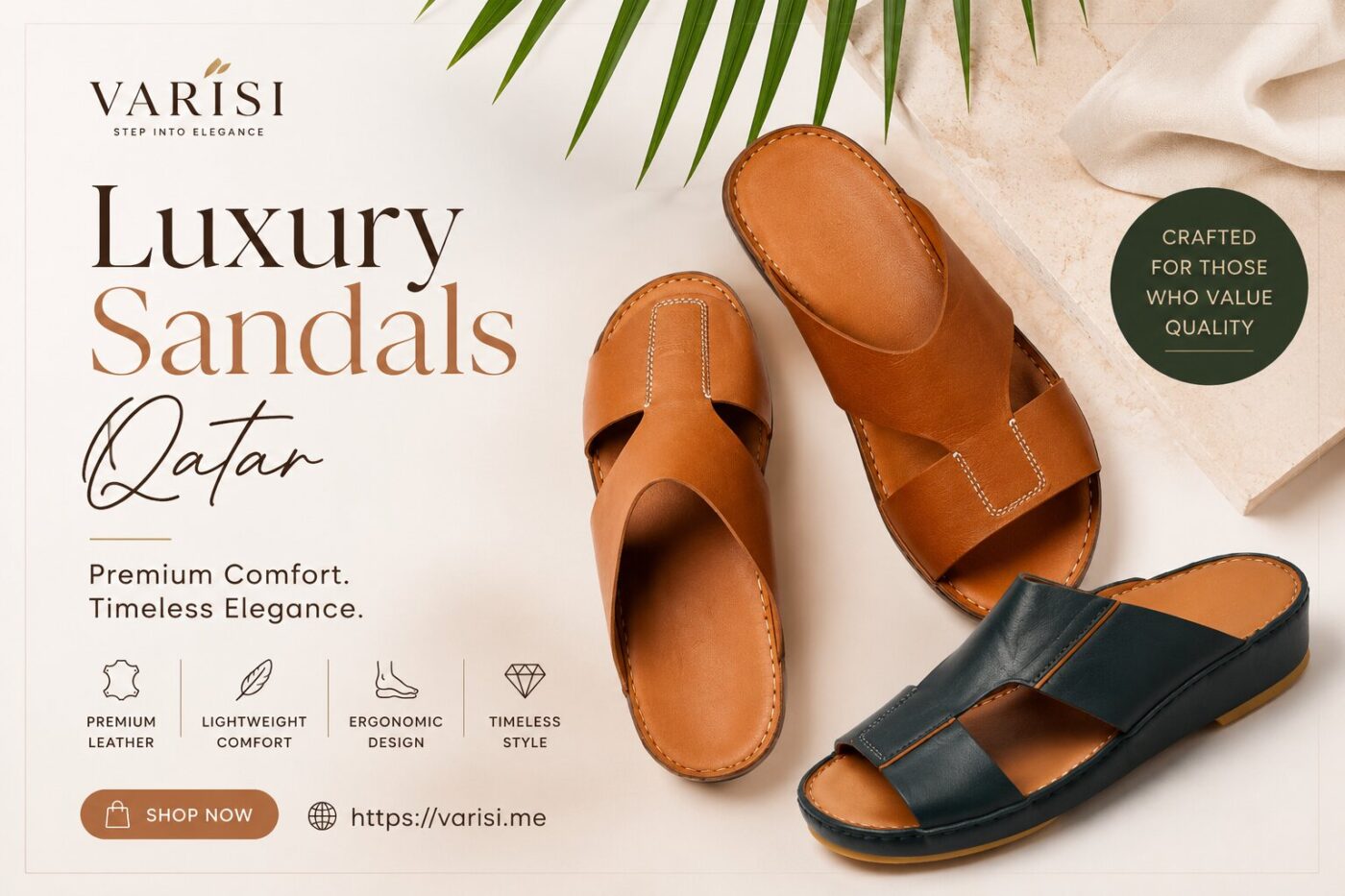
13 Hidden Gems: Luxury Sandals in Qatar That Redefine Men’s Style in 2026

When it comes to redefining men’s footwear in the Gulf, luxury sandals in Qatar have quietly become the style statement of 2026. From the souqs of Doha to the polished corridors of Lusail, discerning men are swapping stiff loafers for handcrafted, breathable, and unmistakably elegant sandals that blend heritage with modern design. If you’ve ever wondered how to elevate your summer wardrobe without sacrificing comfort or class, you’re in the right place. This guide uncovers 13 hidden gems—brands, boutiques, and bespoke experiences—that are setting the benchmark for luxury Arabic sandals this year. Why Luxury Sandals in Qatar Are the Ultimate Style Upgrade Gone are the days when sandals were relegated to beachwear or casual Fridays. In 2026, luxury sandals in Qatar represent a fusion of artisanal craftsmanship, premium materials, and contemporary aesthetics. Whether you’re attending a majlis, strolling through The Pearl, or heading to a rooftop dinner in West Bay, the right pair of Arabic sandals in Qatar can anchor your entire look with effortless sophistication. The shift is driven by a new generation of men who value comfort as much as couture. With temperatures soaring and dress codes evolving, luxury footwear brands have responded with designs that are both climate-appropriate and fashion-forward. Think supple calfskin, exotic leathers, and ergonomic soles—all finished with the kind of detail you’d expect from a tailored thobe. What Sets Genuine Arabic Sandals in Qatar Apart Before diving into specific picks, it's worth understanding what separates authentic craftsmanship from imitation. Arabic sandals in Qatar typically draw on decades-old leatherworking traditions from the Gulf region, blending them with modern lasts and soles designed for daily wear rather than occasional use. Materials That Matter Full-grain leather — ages well and develops a natural patina rather than peeling Stitched (not glued) soles — last considerably longer and can often be resoled Breathable linings — essential given Doha's summer humidity Reinforced heel counters — prevent the sandal from collapsing after a few months Craftsmanship Over Logos A common mistake buyers make is chasing brand names rather than construction quality. Genuine luxury Arabic sandals are usually made in small batches, with visible hand-finishing on the edges and straps. If a pair looks machine-perfect with no variation whatsoever, it's often mass-produced rather than artisan-made. 13 Hidden Gems Worth Seeking Out in 2026 Classic Leather Slide Sandals Still the backbone of any Qatari man's summer wardrobe. Look for a slightly padded footbed rather than a flat one — your feet will thank you after a full day of walking. Woven Leather Sandals A texture-forward option that pairs surprisingly well with smart-casual outfits. The woven construction also allows better airflow. Buckled Ankle-Strap Sandals These sit closer to a dress sandal and work well for evening gatherings, majlis visits, or dinners where flip-flops simply won't do. Minimalist Two-Strap Sandals Clean, understated, and versatile enough to go from office-casual Fridays to weekend brunches. Suede-Finish Sandals Less common in the Gulf but growing in popularity for cooler evening wear during Qatar's winter months. Contrast-Stitch Leather Sandals A subtle detail that adds character without shouting for attention — a favourite among men who prefer understated luxury. Cushioned Orthotic Sandals Not just a comfort feature; proper arch support genuinely matters for men who spend long hours on their feet in retail, hospitality, or fieldwork. Traditional Gulf-Style Toe-Loop Sandals A modern take on a regional classic, these connect the past to present-day tailoring trends. Monochrome Leather Sandals Single-tone leather in black, tan, or oxblood remains a safe yet elegant choice for most wardrobes. Double-Buckle Structured Sandals Slightly bulkier in profile, these suit men who want a sandal with a bit more visual weight. Hand-Tooled Leather Sandals Featuring subtle embossed patterns, these are among the more distinctive luxury Arabic sandals available locally, often produced in limited numbers. Lightweight Travel Sandals Designed for men who move between Doha, regional trips, and international travel without wanting to pack multiple pairs of shoes. Custom-Fit Leather Sandals Increasingly available through boutique makers, including Varisi, these are built around your actual foot measurements rather than standard sizing — arguably the closest thing to true luxury in footwear. What to Look for When Buying Luxury Sandals in Qatar Not all sandals are created equal. To ensure you’re investing in true luxury sandals in Qatar, consider the following: Leather Quality: Opt for full-grain calfskin, deer, or exotic leathers like ostrich and python. Craftsmanship: Hand-stitched soles and burnished edges indicate superior construction. Comfort Features: Look for ergonomic footbeds, arch support, and breathable linings. Design Versatility: Choose styles that transition seamlessly from casual to formal settings. Brand Heritage: Established names like Caretti and Varisi often guarantee consistency and aftercare support. How to Style Luxury Arabic Sandals in 2026 The beauty of luxury Arabic sandals lies in their versatility. Here’s how to wear them with confidence: With a Thobe: Pair black or tan sandals with a crisp white or navy thobe for a classic, polished look. With Linen Trousers: For a contemporary twist, wear neutral-toned sandals with tailored linen pants and a relaxed shirt. At Evening Events: Choose embossed or exotic leather styles to add texture and depth to your outfit. Casual Fridays: Slide into minimalist designs with chinos and a polo for effortless weekend style. Ready to Elevate Your Footwear Game? If you’ve made it this far, you already know that luxury sandals in Qatar are no longer just a seasonal trend—they’re a wardrobe essential for the modern gentleman. But knowing where to start can feel overwhelming with so many options available. That’s where Varisi steps in. With a focus on timeless design, superior comfort, and handpicked materials, Varisi offers a curated range of luxury Arabic sandals that seamlessly blend tradition with contemporary flair. Whether you’re building a capsule collection or searching for that one perfect pair to complement your favourite thobe, Varisi’s 2026 line delivers unmatched quality and style. Each sandal is crafted with precision, ensuring that every step you take feels as refined as it looks. From boardroom meetings to evening majlis gatherings, these sandals are designed to transition effortlessly across occasions. Why Wait? Discover Your Perfect Pair Today The world of Arabic sandals in Qatar is evolving, and 2026 is the year to invest in footwear that reflects both your heritage and your forward-thinking style. With brands like Varisi leading the charge, you no longer have to choose between comfort and elegance—you can have both. Their latest collections feature breathable linings, ergonomic soles, and leather sourced from the finest tanneries, ensuring durability without compromising on aesthetics. What’s more, Varisi offers a personalised shopping experience, whether you visit their boutique or explore their online store. From classic black calfskin to limited-edition embossed designs, there’s a pair tailored to your taste. And with Qatar’s climate in mind, every sandal is engineered for all-day wear, making them ideal for everything from summer strolls along the Corniche to formal events in Lusail. Take the Next Step Towards Timeless Style Don’t let another season pass in ordinary footwear. Explore Varisi’s exclusive range of luxury sandals in Qatar and experience the difference that true craftsmanship makes. Visit varisi.me today to browse the latest arrivals, book a private fitting, or learn more about their bespoke options. Whether you’re a long-time aficionado of luxury Arabic sandals or new to the world of elevated footwear, Varisi promises a journey into refined style that’s uniquely yours. Your perfect pair is just a click away. FAQs What makes sandals "luxury" rather than just expensive? Genuine luxury sandals combine full-grain leather, proper stitched construction, and comfort engineering — not just a high price tag or branding. Are Arabic sandals in Qatar suitable for formal occasions? Certain styles, particularly buckled or hand-tooled leather sandals, work well for semi-formal gatherings when paired with tailored clothing. How long should a good pair of leather sandals last? With proper care, well-made leather sandals typically last two to four years, sometimes longer if resoled. Is it worth buying custom-fit sandals in Qatar? For men with wider feet or specific comfort needs, custom-fit options offer noticeably better long-term comfort than standard sizing. Follow us on Instagram for the latest product updates, new arrivals, and exclusive offers.
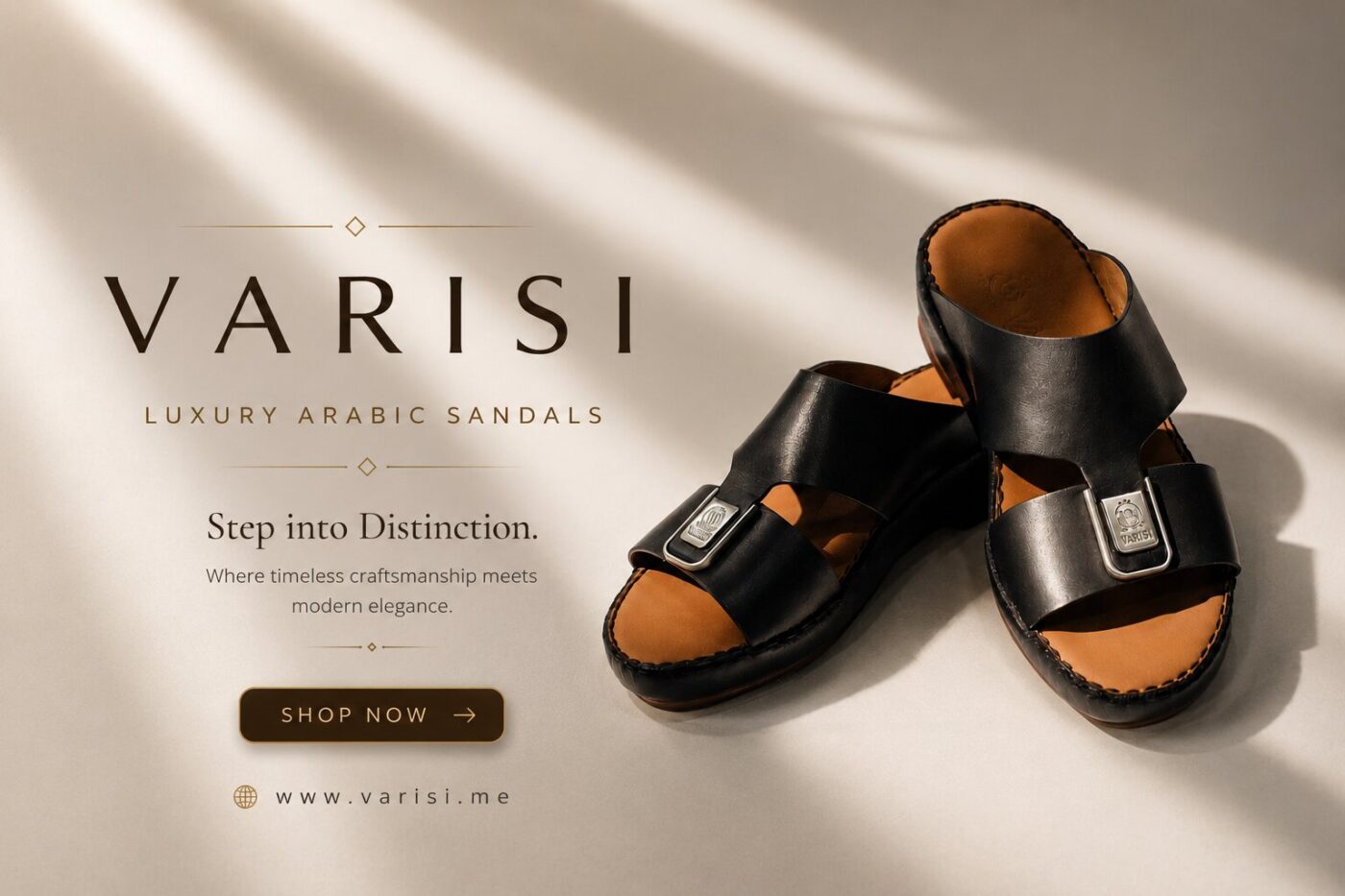
Men’s Arabic Footwear

From Heritage to Everyday Wear: The New Identity of Men’s Arabic Footwear

A decade ago, if you asked someone to picture men's Arabic footwear, they would likely describe something worn at family gatherings, during prayer, or on Eid morning, then put away again until the next occasion. That picture no longer holds. Step into any coffee shop in Doha, Muscat, or Riyadh today and you will find sandals of this kind worn with everything from linen shirts to tailored trousers, on a completely ordinary Tuesday afternoon. Something has genuinely changed in how this footwear is understood, and Varisi has been paying close attention to exactly how that shift unfolded. The Modern Meaning of Men's Arabic Footwear What used to signal where a man came from now says something about how he chooses to live. Men's Arabic footwear has quietly taken on a second layer of meaning, sitting alongside its cultural roots rather than replacing them. It still nods to region and heritage, but it now also speaks to someone who values comfort, honest materials, and a slower approach to buying clothes and footwear in general. This shift has not diluted the tradition. If anything, it has given it a wider audience. Men who never grew up wearing sandals of this kind, whether through distance from the region or simply changing habits within their own families, are discovering them for entirely practical reasons and staying for the craftsmanship once they understand what went into making them. The Workshop Before the Wardrobe Before men's Arabic footwear became a daily habit, it started as a workshop skill passed from one pair of hands to the next. In small leather workshops across the Gulf and the Levant, cobblers learned to read hide before they ever picked up a knife. A poorly cured skin would crack within weeks; a well-cured one could last a decade. That knowledge rarely made it into books. It was taught by watching, repeating, and failing until the cuts became second nature. The shapes themselves were never arbitrary. A wide toe box gave the foot room to breathe in extreme heat. A low, flat sole kept the wearer grounded on sand and stone alike. Straps were positioned to avoid pressure points during long walks between prayer times. None of this was decorative thinking. It was footwear engineered by necessity, long before "functional design" became a marketing phrase. Why Younger Buyers Changed Their Minds Ask most men under forty why they now wear sandals of this style daily, and the answer rarely involves tradition first. It usually starts with comfort. The Trainers Fatigue Years of wearing trainers in 40-degree heat left a lot of men with sweaty feet, poor ventilation, and shoes that broke down within a single summer. Switching to open leather sandals solved a problem that synthetic footwear was never built to handle in this climate. Social Proof Through Travel As Gulf residents travelled more and saw how international menswear circles were referencing similar silhouettes, wearing mens Arabic sandals outside the home stopped feeling old-fashioned. It started feeling, quite simply, like good sense. A Shift Away from Disposable Fashion There has also been a quieter change in mindset. Buyers grew tired of replacing cheap shoes every few months. A well-made pair of Arabic leather sandals, by contrast, tends to improve with age rather than fall apart. How to Recognise Genuine Men's Arabic Footwear Before You Buy Not every sandal sold under this name deserves the description. Telling a genuine pair from an imitation takes a closer look than most buyers are used to giving their footwear. Press your thumb into the leather. Genuine hide gives slightly and returns to shape; cheap coated material stays stiff or feels tacky. Check the underside of the strap where it meets the sole. Hand-stitched joins are usually uneven in a way that machine work never is, and that unevenness is a good sign, not a flaw. Smell the leather. A faint, natural leather scent suggests proper tanning; a strong chemical smell often means synthetic backing. Flex the sole in your hands. It should bend with some resistance, not fold flatly like cardboard or refuse to move at all. Buyers who check these details before purchasing tend to walk away with sandals that last years rather than a single season, which is really the whole point of choosing men's Arabic footwear over a mass-produced alternative in the first place. The Doha Effect: How Qatar Changed the Conversation Around Men's Arabic Footwear Few markets illustrate this shift as clearly as Qatar. Arabic sandals in Qatar were once sold mainly in traditional souqs, aimed at an older, more conservative customer base. Over the past several years, that has changed considerably. Retailers in Doha now stock these sandals alongside contemporary menswear, not tucked away in a separate cultural section. Younger buyers walk in expecting proper sizing charts, clear material information, and finishes that suit a modern wardrobe rather than a strictly ceremonial one. This demand pushed makers, including Varisi, to raise their own standards around consistency, fit, and long-term durability, because a customer buying sandals for daily wear expects a very different level of performance than someone buying a single pair for a wedding. The result is a market where heritage and modern retail expectations now sit comfortably side by side, rather than pulling in opposite directions. What "Luxury" Actually Means in This Context The term luxury Arabic sandals gets used loosely, often attached to anything with a higher price tag. A more honest definition focuses on what actually goes into the product rather than what it costs. Material Honesty A genuinely premium pair uses full-grain leather throughout, including the insole, rather than a good-looking exterior layered over a cheaper synthetic core. Visible Craftsmanship Hand-burnished edges, reinforced stitch lines at pressure points, and symmetrical strap placement are small details, but they separate a well-made pair from one that simply photographs well. Repairability A sandal built to last should also be a sandal built to be repaired. Resoling and restitching should be realistic options, not something the design quietly prevents. This is the standard Varisi holds itself to, because calling something luxury without the craftsmanship to back it up does a disservice to a tradition that never needed exaggeration to justify its value. Choosing Men's Arabic Footwear for Life, Not Just an Occasion If you are buying your first proper pair, a few practical steps will save you from disappointment later. Wear them indoors first. Walk around your home for an hour before taking them outside, to check for pressure points early.Buy true to size, not tight. Leather stretches slightly with wear, so a snug fit at purchase usually loosens into a comfortable one.Condition the leather every few months. A light leather balm keeps the material supple and prevents cracking in dry heat.Rotate two pairs if you wear them daily. Giving leather a day to rest between wears extends its lifespan considerably. Following these steps is a small effort that pays off across years rather than months, which is exactly why so many men have shifted from treating this footwear as occasional wear to relying on it every single day. Step Into Comfort: Discover Men's Arabic Footwear at Varisi Reading about good craftsmanship is one thing; feeling it on your own feet is another matter entirely. If your current footwear rotation still leaves your feet sweating through the afternoon or wearing thin after a few months, it may be time to try something built with more thought behind it. Varisi's collection is put together by people who care whether a strap sits right after ten hours of wear, not just how a pair looks in a photograph. Browse the range, find a fit that suits your daily routine, and see for yourself why so many men have already made the change. Conclusion The story of men's Arabic footwear is not one of reinvention for its own sake. It is a story of a practical, well-considered tradition finally being recognised for what it always offered: comfort suited to the climate, craftsmanship built to last, and a design language that never actually needed updating to stay relevant. Whether someone is choosing Arabic leather sandals for a hot commute, seeking out Arabic sandals in Qatar with proper sizing and finish, or investing in a genuinely luxury Arabic sandals pair meant to last for years, the appeal comes from the same place. At Varisi, that is the standard behind every pair leaving the workshop. Frequently Asked Questions Is men's Arabic footwear suitable for everyday use, or only special occasions? Well-constructed pairs are increasingly worn daily, particularly in hot climates where breathable, flat leather sandals outperform closed footwear. How can I tell if a pair of mens Arabic sandals is genuine leather? Check for a natural leather scent, slight give when pressed, and uneven hand-stitching at the strap joins, all signs of authentic material and construction. Why has demand for Arabic sandals in Qatar grown in recent years? Retailers have shifted from treating them as ceremonial items to stocking them as everyday menswear, matching a younger customer base that wants both tradition and daily practicality. What separates luxury Arabic sandals from a standard pair? Full-grain leather throughout, visible hand-finishing, and the ability to be resoled or repaired rather than discarded after light wear. How long should a good pair of Arabic leather sandals last? With proper care, including regular conditioning, a well-made pair can comfortably last several years before needing repair.
Back to Top
Product has been added to your cart