
Close

Search

luxury Arabic sandals

Inside Luxury Arabic Sandals: The Fascinating Journey from Raw Leather to Finished Footwear

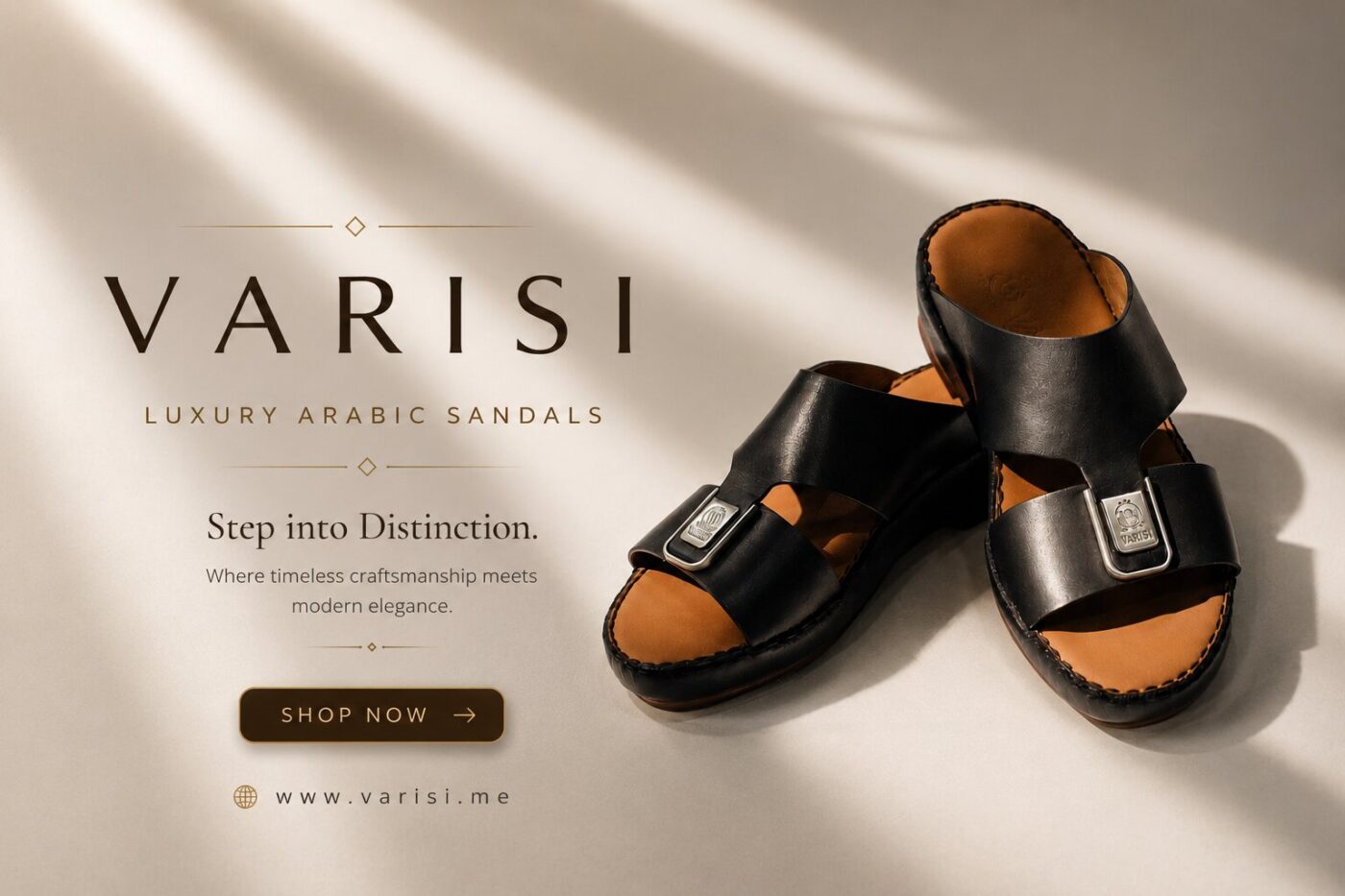
A well-made pair of luxury Arabic sandals is more than a finishing touch to an outfit. Its quality depends on the leather, the precision of the cutting, the construction of the sole, and the small details that influence comfort and appearance. From selecting suitable raw materials to shaping the final silhouette, every stage contributes to the character of the finished footwear. For men who appreciate traditional Middle Eastern style with a refined, contemporary look, understanding this process makes choosing the right pair much easier. At Varisi, the V500 Calf Black offers a useful starting point for exploring the appeal of black calf leather footwear. Its understated color makes it a versatile option for men who prefer a polished appearance without unnecessary decoration. Looking beyond the finished product reveals why material selection, craftsmanship, fit, and proper care matter when investing in quality Arabic-inspired sandals. What Makes Luxury Arabic Sandals Different? Arabic sandals have a distinctive place in Middle Eastern footwear, combining practical open footwear with designs suited to traditional clothing and modern wardrobes. Depending on the style, they may feature broad or narrow straps, carefully shaped footbeds, minimal ornamentation, and construction intended for everyday wear or more formal occasions. The luxury element is not simply a higher price or a glossy finish. It comes from the overall execution of the product. Clean edges, consistent stitching where applicable, balanced proportions, comfortable contact points, and a well-finished surface all contribute to the final result. Quality also depends on how the sandal performs after repeated use. A beautiful design should still fit securely, feel comfortable underfoot, and maintain its appearance with appropriate care. These practical considerations separate a thoughtful footwear purchase from one based on appearance alone. The Journey of Luxury Arabic Sandals Begins with Raw Leather Selecting Leather for Quality and Appearance Leather selection is one of the earliest decisions in footwear production. The material influences the sandal's texture, flexibility, durability, and ability to develop character over time. Different leather types behave differently during cutting, shaping, finishing, and wear, so the material must suit the intended design. Calf leather comes from young cattle and is commonly valued in premium leather goods for its relatively fine grain and smooth appearance. Depending on how it is processed, it can offer a refined surface that works particularly well with minimalist footwear. However, the word "calf" alone does not guarantee a particular quality level. The hide's condition, tanning method, finishing treatment, thickness, and consistency all influence the result. Buyers should also distinguish between genuine leather and synthetic materials rather than assuming that every material with a leather-like appearance has the same properties. For black sandals, the quality of the surface finish is especially noticeable. Uneven coloration, poorly finished edges, and visible inconsistencies can affect the overall appearance. Careful material selection helps create a more consistent finished product. Preparing the Leather Before Production Raw hides cannot simply be cut into straps and attached to a sole. Leather generally passes through preparation and processing stages before it becomes suitable for footwear. These can include preservation, tanning, drying, grading, trimming, and finishing, depending on the supplier and production method. Tanning stabilizes the hide so it is less susceptible to decomposition and more suitable for practical use. Different tanning processes produce different characteristics in terms of firmness, flexibility, color, and response to moisture. Once the leather is prepared, it is inspected for defects and variations. Areas with prominent marks, weak sections, or inconsistent thickness may need to be avoided for particular components. This is important because sandal straps must withstand repeated bending and tension while maintaining their shape. For manufacturers, preparation is also about consistency. Leather that is too stiff may feel uncomfortable around the foot, while leather that is excessively soft for a particular design may stretch more than intended. The appropriate balance depends on the sandal's construction and intended use. How Luxury Arabic Sandals Take Shape Creating the Pattern and Cutting Each Component Pattern development translates a design into individual pieces that can be cut and assembled. The pattern must account for the sandal's proportions, strap placement, foot shape, and the relationship between the upper and the sole. Precision matters because small differences can affect the way a sandal sits on the foot. A strap that is too tight may create pressure, while one that is too loose may allow the foot to move excessively. Poorly aligned components can also make a finished pair appear uneven. During cutting, manufacturers select appropriate sections of leather for the required pieces. Depending on the production setup, this work may involve hand tools, cutting dies, or specialized machinery. The main considerations include: Consistent dimensions: Matching components help maintain a balanced appearance across both sandals. Efficient material use: Thoughtful cutting reduces unnecessary waste. Grain direction: The orientation of the leather can influence how a component stretches and bends. Surface quality: Visible parts should have an appropriate, consistent finish. Structural suitability: Areas under repeated tension need suitable material and construction. This stage demonstrates why good footwear production requires more than an attractive design. The pattern and cutting decisions influence comfort, appearance, and long-term performance. Shaping the Straps and Refining the Edges The upper gives Arabic sandals much of their visual identity. Some designs use a simple arrangement of straps, while others have more distinctive shapes or decorative elements. Whatever the style, the upper must balance appearance with the practical demands of movement. Leather edges deserve particular attention. Depending on the design, they may be trimmed, smoothed, burnished, painted, or finished using another suitable method. The objective is to create an edge that looks clean and feels comfortable against the skin. Poorly finished edges can feel rough, show premature wear, or detract from an otherwise attractive sandal. Similarly, strap openings, attachment points, and bends must be handled carefully to avoid unnecessary stress on the material. The finishing method should suit the leather and the sandal's construction. Not every technique is appropriate for every type of leather, and an elaborate finish is not automatically better than a restrained one. In well-designed footwear, the details support the overall form rather than distract from it. Building the Sole for Support and Stability A sandal's sole affects more than its appearance. It influences flexibility, traction, ground feel, and the way pressure is distributed across the foot. The ideal construction depends on the materials used, the intended environment, and the design's priorities. The footbed should accommodate the wearer's foot without creating unnecessary pressure points. Sole thickness, shape, and flexibility can all influence comfort. Meanwhile, the outsole should provide suitable grip for the surfaces on which the sandal will normally be worn. Different footwear designs use different combinations of leather, rubber, and other materials. Leather may contribute a traditional appearance, while suitable rubber compounds can provide useful traction and abrasion resistance. The presence of a particular material does not, by itself, establish the overall quality of the sandal. When evaluating premium footwear, look for a sole that sits evenly, an upper that is securely attached, and a construction that feels stable during ordinary walking. These are more meaningful indicators than decorative details alone. Assembling the Finished Sandal Assembly brings the individual components together. Depending on the design, the process may involve stitching, adhesives, mechanical fastening, or a combination of methods. The appropriate technique depends on the materials and the intended construction. Alignment is critical during this stage. Both sandals should have consistent proportions, and the straps should sit in corresponding positions. The upper must also be attached securely enough to withstand normal use. Quality checks can identify issues such as uneven edges, loose threads, visible adhesive residue, irregular coloring, or inconsistent strap placement. A careful inspection also considers whether the sole is properly aligned and whether the finished footwear matches the intended design. Not every premium sandal is handmade from beginning to end. Some manufacturers combine skilled manual work with machinery to improve precision and repeatability. What matters to the buyer is the quality of the final product, the suitability of its materials, and the consistency of its construction. Why Luxury Arabic Sandals Require Attention to Detail Finishing, Inspection, and Final Quality Checks The final stage focuses on appearance, consistency, and usability. Surface treatments may be applied to achieve a particular color or sheen, while finishing work helps refine the visible edges and components. Black leather sandals illustrate the importance of this stage. A uniform black finish can create a sharp, understated look, but the surface should also be appropriate for the leather beneath it. Excessive polishing cannot compensate for poor construction or unsuitable materials. Before a pair is ready for use, a thorough inspection should consider: Whether both sandals match in shape and finish. Whether straps and attachment points appear secure. Whether the edges feel smooth and appropriately finished. Whether the soles are aligned and free from obvious defects. Whether the footbed and straps appear suitable for the intended fit. Whether the product matches its stated material and design specifications. These checks help establish consistency, although they cannot guarantee how every pair will perform under every condition. Actual durability also depends on materials, construction, frequency of use, exposure to moisture, and maintenance. Choosing Luxury Arabic Sandals for Everyday Style The manufacturing process explains how sandals are made, but choosing the right pair requires considering how they will fit into your lifestyle. A sandal intended for occasional formal wear may have different priorities from one designed for frequent walking or daily errands. How to Style Black Arabic Leather Sandals Black footwear is popular because it works with a wide range of colors and clothing styles. The V500 Calf Black from Varisi is a relevant option to explore if you prefer a clean, dark finish and a traditional Arabic-inspired aesthetic. Consider these combinations when styling Arabic leather sandals: With a traditional thobe: Black sandals create a restrained, coordinated appearance without competing with the clothing. With tailored trousers: Choose trousers with a clean hem to maintain balanced proportions and keep the footwear visible. With linen clothing: Neutral linen shirts and lightweight trousers create a relaxed look suited to warm weather. With smart-casual outfits: A simple shirt and well-fitted trousers complement minimalist sandals without making the outfit look overly formal. When selecting mens Arabic sandals, pay attention to strap placement, the width of the footbed, and whether your heel sits comfortably within the sole. Your toes should not extend beyond the front edge, and the straps should hold the foot securely without pinching. What to Consider When Buying Luxury Sandals in Qatar Climate and daily routines are important considerations when shopping for luxury sandals in Qatar. Warm conditions make breathable footwear appealing, but leather still requires sensible care, particularly when exposed to heat, sweat, dust, or moisture. Before purchasing, evaluate the following factors: Material: Check the product description to understand whether the upper is calf leather, another type of leather, or a synthetic alternative. Fit: Try the sandals on, if possible, and walk a short distance. Your foot should feel supported without excessive movement or uncomfortable pressure. Sole construction: Consider the intended walking surfaces and look for suitable traction and secure attachment. Versatility: A black pair can work with traditional clothing and many smart-casual outfits, making it a practical addition to a footwear collection. Care requirements: Ask about suitable cleaning products and conditioning methods for the specific leather finish. For shoppers exploring premium Arabic-inspired footwear, the Varisi V500 Calf Black product page provides a useful place to review the model's available details before making a decision. How to Care for Luxury Arabic Sandals and Preserve Their Finish Good leather footwear benefits from regular, appropriate maintenance. Even well-constructed sandals can lose their appearance prematurely if they are repeatedly exposed to moisture, excessive heat, or unsuitable cleaning products. Follow these practical steps: Remove surface dust: Use a soft, dry cloth after wearing the sandals. Address dirt carefully: Wipe the affected area with a slightly damp cloth when appropriate, avoiding excessive water. Allow natural drying: If the sandals become wet, let them dry at room temperature, away from direct sunlight and heaters. Use suitable leather care products: Test any cleaner or conditioner on a discreet area first and follow the manufacturer's instructions. Store them properly: Keep the sandals in a clean, dry, ventilated place away from prolonged direct sunlight. Rotate your footwear: Alternating pairs gives leather footwear time to dry between uses. Avoid assuming that every leather product requires the same treatment. Some finishes respond poorly to oils, waxes, or conditioners intended for other leather types. When in doubt, follow the care instructions provided by the manufacturer. Frequently Asked Questions About Luxury Arabic Sandals What makes luxury Arabic sandals worth considering? Their appeal comes from a combination of design, material selection, construction quality, fit, and finishing. A well-made pair can complement traditional and contemporary clothing, provided it suits the wearer's needs. Is calf leather suitable for Arabic sandals? Calf leather is commonly used in premium leather goods because it can offer a fine grain and refined appearance. Its suitability depends on the leather's processing, thickness, finish, and the sandal's construction. How can I choose comfortable mens Arabic sandals? Check the footbed length and width, strap placement, heel stability, and sole flexibility. The sandals should feel secure without rubbing or creating pressure points. Comfort can vary with individual foot shape. Are black Arabic leather sandals versatile? Yes. Black is easy to coordinate with traditional garments, neutral trousers, and many smart-casual outfits. The sandal's design and finish will determine how formal or relaxed it looks. How should I maintain leather sandals in Qatar's climate? Remove dust regularly, avoid prolonged exposure to direct heat, and allow the sandals to dry naturally after perspiration or moisture. Use leather care products appropriate for the specific finish. Where can I explore the Varisi V500 Calf Black? You can view the product details on the Varisi V500 Calf Black product page. Review the listed specifications, materials, sizing information, and care guidance before purchasing. From Raw Leather to a Refined Finish: The Value of Thoughtful Craftsmanship The journey from raw leather to finished footwear involves a series of decisions that shape how a sandal looks, feels, and performs. Leather selection establishes the material's character, precise cutting defines its proportions, careful assembly brings the design together, and final inspection helps maintain consistency. For anyone considering luxury Arabic sandals, these details offer a more practical way to evaluate quality than appearance or price alone. Material transparency, a comfortable fit, reliable construction, and appropriate care all contribute to a satisfying purchase. The Varisi V500 Calf Black is worth exploring if you are looking for a black, calf-leather Arabic-inspired style. By understanding the craftsmanship behind the footwear and checking the product's actual specifications, you can make a more informed choice that balances personal style with everyday practicality. Follow us on Instagram for the latest product updates, new arrivals, and exclusive offers.
black leather sandals for men

Unlock 7 tips to style black leather sandals for men with a Sophisticated look

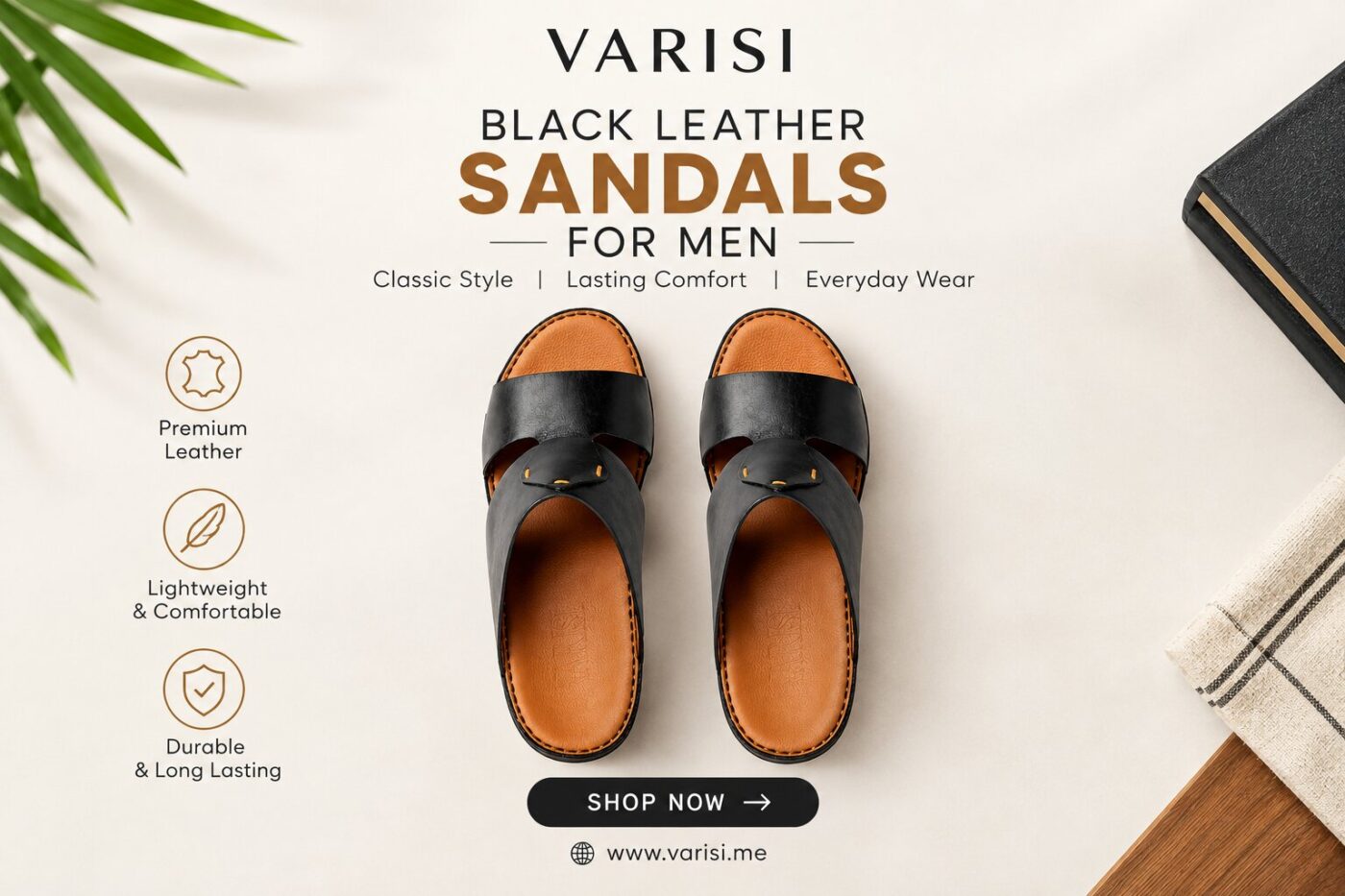
A sophisticated outfit does not always require formal shoes. Moreover, black leather sandals for men can create a refined, confident appearance when chosen carefully. In Qatar, warm weather and elegant social settings often coexist, making a well-made leather sandal a versatile wardrobe piece. At Varisi, sophistication is treated as a combination of material, fit, proportion, and restraint. Additionally, the brand’s approach to premium Arabic leather sandals shows that a sandal can be comfortable and practical. Below are seven practical secrets to help wear black leather sandals for men with confidence. Why Black Leather Sandals for Men Look Alike but Wear Very Differently Line up ten pairs of black leather sandals for men on a shelf and they’ll look almost identical: flat sole, a few straps, a dark finish. The differences show up after a week in real heat. One pair softens and settles around your foot. Another rubs your heel, slips, or cracks near the toe. Most of that comes down to details product photos hide. To help you spot them, we’ve listed 7 secrets below that explain how to choose, style, and care for a pair that looks sophisticated and lasts. 1. Start With Leather That Looks Better Over Time Sophistication begins with the material. Cheap coated leather looks acceptable for about a month, then the finish cracks near the toe and the straps start to peel. Quality hides do the opposite. They soften, take on a slight sheen, and develop small marks that read as character rather than damage. When you evaluate black leather sandals for men, look at the grain up close. Real leather has tiny natural irregularities, while imitation surfaces show a repeating, stamped pattern. Press your thumb into a strap. It should flex and spring back without feeling plastic. If a seller can’t tell you which grade of leather is used, treat that as a warning sign. Many shoppers looking for black leather sandals for men in Qatar assume the label guarantees quality. However, it doesn’t. The term simply confirms the product is real hide, which ranges from full-grain to low-grade split leather. Ask for the specific grade and you’ll learn more in thirty seconds than a product tag will tell you. 2. Choose a Slim, Clean Silhouette Bulky soles and oversized buckles make a sandal look casual, even when the leather is excellent. A refined pair keeps the lines simple: a modest sole, a low profile, and straps that sit flat against the foot. Think of the sandal the way a tailor thinks of a jacket. The shape should follow the foot rather than overpower it. A thick, lugged outsole belongs on a hiking sandal. For city wear, dinners, and gatherings, a thinner profile with a supportive footbed looks sharper and feels lighter. Why Heritage Designs Get This Right This is where traditional footwear has an edge. Classic Arabic leather sandals were shaped around restraint: a flat profile, a toe loop or a broad front strap, and a clean heel line. Decoration is minimal, and the proportions do the work. When you browse Arabic sandals in Qatar, the strongest options respect that structure but update the comfort underneath with cushioned insoles and a more durable sole, so the look stays classic while the wear experience feels current. 3. Let Black Leather Sandals for Men Anchor a Simple Outfit The sandal should be the finishing touch, not the loudest item on the body. Keep the rest of the outfit quiet and the shoe will look intentional. Some pairings that consistently work: A white or cream thobe: The contrast is crisp. Keep the sandal slim and the hardware subtle. Navy or olive chinos with a linen shirt: Roll the cuff once so the ankle shows. Tailored shorts just above the knee: Pair with a plain cotton polo, not athletic wear. Dark, lightweight trousers with a pressed shirt: A smooth, minimally detailed sandal works for relaxed dinners. The rule is consistency. If your clothes are tailored and neat, a sandal with clean lines fits right in. If your outfit is baggy or sporty, the sandal will look out of place no matter how well it’s made. 4. Grooming Matters More Than the Shoe Open footwear exposes the whole foot, so grooming is part of the look. This is the secret most style guides skip, and it makes the biggest visible difference. Keep toenails trimmed and clean. Moisturize heels, especially in dry climates where skin cracks easily. Use a pumice stone once a week to remove rough patches. A few minutes of effort will do more for your appearance than spending an extra hundred dollars on the sandal itself. Pay attention to the leather too. A dusty footbed or dull straps undercut an otherwise neat outfit. Wipe your pair with a soft cloth before heading out. It takes ten seconds. 5. Get the Fit Right, or Nothing Else Works Even a beautiful sandal looks clumsy if it doesn’t fit. A heel hanging off the back, toes overhanging the front, or straps digging into the skin all change how you walk, and people notice posture and gait more than they realize. Use this quick fit check: Try them in the evening, when your feet are at their largest. Seat your heel fully on the footbed. Leave a small margin at the front so toes rest comfortably within the edge. Stand and walk on a hard surface. Listen for slapping and feel for slipping. Check strap pressure across the top of the foot. Snug is good. Pinching is not. If you’re between sizes, size up only when the strap design is adjustable. A fixed strap on an oversized sandal causes heel slide and blisters. 6. Choose Luxury by Craft, Not by Label Buyers comparing luxury sandals in Qatar often get pulled toward familiar names. A better approach is to judge the sandal on what’s actually in your hands. Real luxury shows up in details: hand-finished edges, even stitching, a footbed shaped for real feet, and leather that feels substantial rather than thin. Flip the sandal over. A premium pair has a sole with some weight to it, a firm bond to the footbed, and clean finishing where layers meet. Check the inside of the straps. If the edges are smooth and sealed, the maker paid attention to the parts nobody sees in photos. That same care usually carries through the entire product. A higher price should come with identifiable reasons. If you can’t name two or three, keep comparing. 7. Care for the Leather Like It’s a Long-Term Investment Sophistication fades quickly when leather looks tired. A simple routine keeps a pair presentable for years. Wipe after wearing to remove dust and sweat salts. Rotate pairs. Leather needs about a day to dry out between wears. Condition monthly with a quality leather conditioner, then buff lightly. Touch up scuffs with black cream polish and let it dry completely. Store in shade. Direct sun fades black dye and dries out the hide. Avoid soaking. Water stiffens leather and strips its natural oils. In the Gulf, heat and fine dust are the main enemies. Never leave sandals in a parked car, where temperatures can warp soles and bake the leather. Why Black Is the Smartest Color Choice Black is often chosen because it is safe, but it is also one of the most practical colors for men’s footwear. It coordinates with nearly every neutral shade and maintains a clean appearance even with regular use. Versatility Across Wardrobes Black leather sandals work with traditional clothing, casual outfits, and travel wear. This makes them a strong choice for men who want one dependable pair rather than a drawer full of options. A Quiet Sense of Luxury Black does not need to announce itself. When paired with quality leather and a clean design, it creates a refined impression without relying on bright colors or bold details. This understated approach is what makes black leather sandals for men so effective for sophisticated dressing. Why Varisi Is a Strong Choice Varisi focuses on premium Arabic footwear made with genuine leather and careful attention to detail. Its collection includes traditional designs as well as modern silhouettes, giving men options for religious gatherings, family events, travel, and everyday wear. For men seeking luxury sandals in Qatar, Varisi offers a practical standard: quality leather, balanced construction, and designs made to be worn repeatedly. The brand’s emphasis on craftsmanship makes its black leather sandals suitable for men who want footwear that feels as good as it looks. Frequently Asked Questions How do I make black leather sandals for men look more formal? Choose a smooth, polished finish with minimal hardware, wear them with pressed trousers or a clean thobe, and keep the leather conditioned and free of dust. Should my sandals match my belt? Ideally, yes. Matching the leather color, and loosely matching the buckle metal to your watch, makes the outfit look coordinated. Is a toe post or a wide strap more refined? Both work. A toe post looks sleek with flowing garments, while a wide front strap looks more structured with tailored trousers. Are sandals suitable with a thobe? Yes. Slim black leather sandals are a natural match for a white or light thobe. Avoid chunky soles and oversized buckles. How long does a good pair last? With rotation and regular conditioning, quality leather sandals can last several years. Poorly made or coated leather may crack within a season. Final Thoughts Looking sophisticated in sandals isn’t about hiding the fact that they’re open. It’s about choosing quality leather, keeping the shape clean, getting the fit right, and treating grooming as part of the outfit. Apply the seven secrets above and black leather sandals for men will earn a regular spot in your rotation, whether you’re heading to a family gathering, a casual dinner, or a long afternoon out. Follow us on Instagram for the latest product updates, new arrivals, and exclusive offers.
genuine leather sandals Qatar

Discover the Remarkable Comfort of Genuine Leather Sandals in Qatar

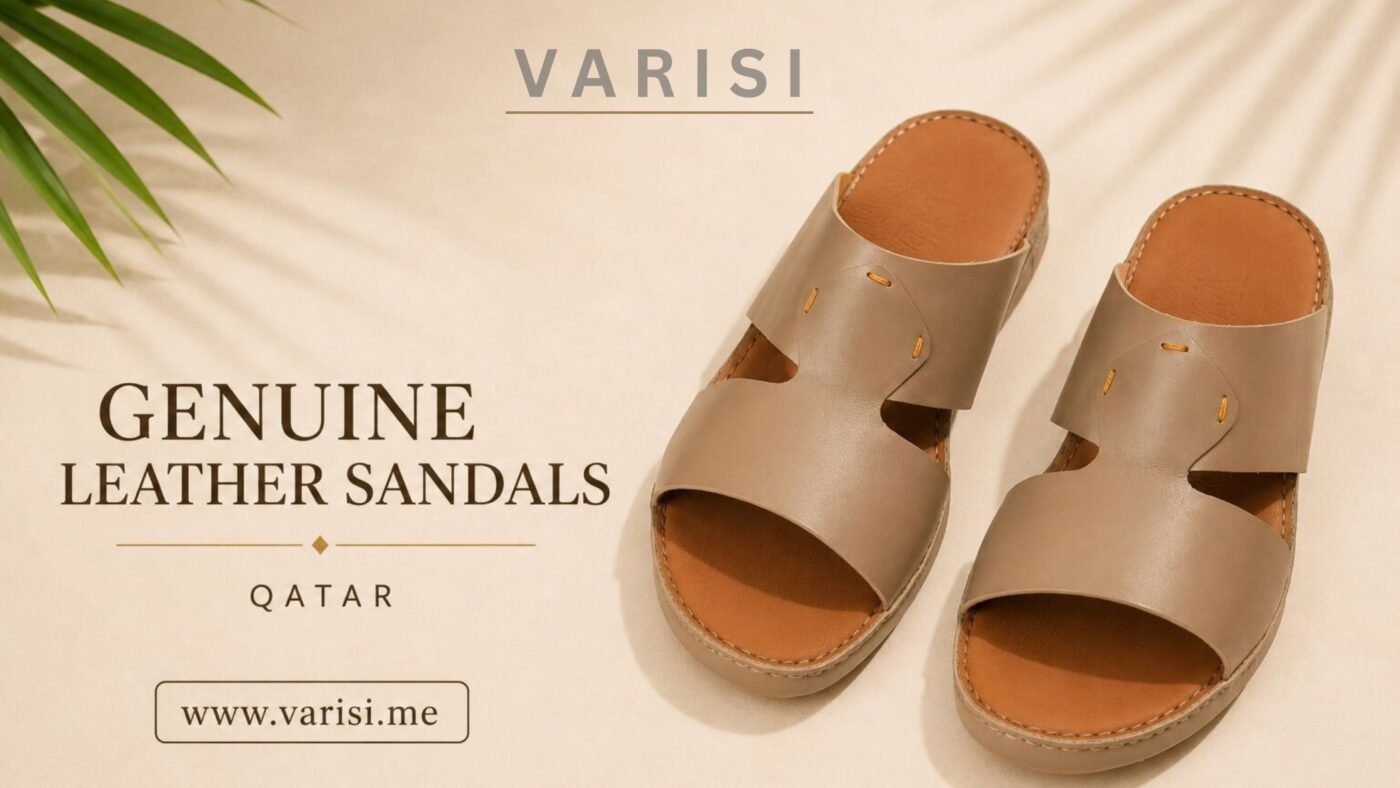
There's a particular moment every resident of Qatar knows well — stepping outside at midday in July, feeling the pavement heat rise through the soles of your shoes within seconds. It's in that exact moment that the difference between ordinary footwear and genuine leather sandals in Qatar becomes impossible to ignore. One pair leaves your feet damp, irritated, and ready to come off the second you're indoors. The other barely registers the heat at all. That contrast is the entire reason this conversation matters here, in a country where footwear has to earn its place in your daily routine rather than just look good in a photo. At Varisi, this isn't theoretical. It comes from fitting hundreds of customers, listening to what actually bothers people about the sandals they're replacing, and building something that solves those specific complaints rather than guessing at them. The Real Reason Genuine Leather Sandals in Qatar Outperform Everything Else Most people assume sandal comfort comes down to cushioning alone. It doesn't. Cushioning matters, but it's secondary to something more fundamental: how the material responds to heat, sweat, and friction over an entire day. Synthetic materials — PU leather, rubber compounds, plastic blends — are essentially sealed surfaces. They don't allow moisture to pass through, which means whatever your foot produces over eight or ten hours of wear just sits against your skin. In Doha's climate, where outdoor temperatures routinely sit above 40°C for months at a stretch, this turns into a real problem fast: soft tissue breakdown, blistering, and that unmistakable smell that no amount of spraying will fully fix. Genuine leather works on a completely different principle. Its fibrous structure has natural micro-pores, so air moves through it instead of being trapped. This single property is why genuine leather sandals in Qatar consistently get chosen by people who've already tried the cheaper alternatives and learned the hard way that synthetic materials and Gulf summers don't mix. A Material That Improves Instead of Degrading Here's something most people don't expect: leather gets better with wear, not worse. Within the first two weeks of regular use, the fibers begin to relax and reshape around the unique contours of your foot — your arch height, the width across your toes, the pressure points along your heel. Synthetic materials can't do this. They either stay rigid or they break down structurally, which is why a cheap sandal often feels fine on day one and falls apart by week six. Arabic Sandals in Qatar: Function Built Into the Design, Not Added Later It's worth understanding where this style of footwear actually comes from, because the design choices aren't arbitrary. Arabic sandals in Qatar carry forward a design language shaped by centuries of movement across hot, arid terrain — markets, mosques, courtyards, and long stretches of walking between them. The open structure wasn't a style decision first; it was a survival decision. Enclosed shoes trap heat. Open-toe, strap-based designs let air circulate continuously, which mattered enormously before air conditioning existed and still matters now for anyone spending real time outdoors. The low, flat sole wasn't about minimalism either — it kept the foot stable on sand and uneven stone without adding unnecessary bulk or weight. What's changed is the refinement, not the underlying logic. Modern Arabic leather sandals built by brands like Varisi take that original structural wisdom and pair it with details older versions didn't have — contoured footbeds, reinforced stitching at pressure points, and leather treatment processes that extend the material's lifespan well beyond what older tanning methods could achieve. Why This History Still Shapes Buying Decisions Today When customers describe wanting something that "feels right" for Qatar, they're often unconsciously describing this inherited design logic — even if they've never thought about where it came from. A sandal that breathes, sits low and stable, and doesn't fight against the heat isn't a modern invention. It's a refinement of something that's been solved, imperfectly, for a very long time. Spotting Luxury Sandals in Qatar: The Details That Actually Matter The word "luxury" gets attached to a lot of products without much behind it. When it comes to footwear, there are specific, checkable details that separate genuinely well-made sandals from ones that simply look expensive in photos. Hide quality — Full-grain leather retains the natural surface of the hide, including its strength and flexibility. Lower grades are sanded and coated to hide flaws, which also strips away durability. Stitch density and placement — High-wear zones like the toe post and heel strap need tighter, reinforced stitching, not decorative topstitching that looks neat but offers no structural support. Sole construction — A good sole flexes with your foot's natural movement instead of forcing your foot to adapt to a stiff, flat surface. Edge finishing — Raw or poorly sealed leather edges fray and darken unevenly with water exposure; properly burnished edges hold their shape for years. Consistency of dye — Natural dyes penetrate the leather rather than sitting on top of it, which is why quality sandals age into a richer tone instead of fading in patches. These details rarely show up in a quick glance, which is exactly why so many buyers end up disappointed a few months after purchase. Luxury sandals in Qatar earn that label through construction choices most people never think to check — not through branding or price alone. What to Actually Look For When Buying Shopping for sandals suited to this specific climate and lifestyle comes down to a short list of practical questions, more than aesthetic preference alone. Does the sole bend naturally when you flex it by hand? If it feels stiff even unworn, it will likely stay uncomfortable. Are the straps wide enough to distribute pressure? Thin straps dig in after a few hours of walking, especially in heat-swollen feet. Is the stitching reinforced at the toe post? This is the single most common failure point in lower-quality sandals. Does the color suit practical, everyday conditions? Lighter tones show dust and sand far more visibly than deeper, richer shades. Will it transition between settings? A well-designed pair should move easily from a grocery run to an evening gathering without feeling out of place either way. Getting these answers right before buying saves the frustration of a pair that looks good in the store but becomes unwearable within a season. Keeping Leather Sandals in Good Condition Through Qatar's Climate Leather isn't high-maintenance, but it does respond to neglect faster in dry, dusty conditions. A few habits make a measurable difference over time: Brush off dust and sand after outdoor wear rather than letting it grind into the leather's surface Avoid leaving sandals in direct sunlight or a hot car for extended periods, since excessive heat dries out natural oils in the leather Use a leather conditioner every couple of months, particularly during the driest stretches of the year Store sandals somewhere ventilated rather than sealed in plastic, which traps moisture and encourages mildew None of this takes much time, but skipping it is the single biggest reason people assume leather doesn't hold up — when in most cases, it was simply never given the basic care it needed. Who Actually Benefits Most From Genuine Leather Sandals in Qatar Not every buyer has the same reason for switching, and that's worth pointing out because the benefits show up differently depending on lifestyle. For someone who spends most of the day on their feet — retail staff, delivery drivers, people constantly moving between indoor and outdoor spaces — the breathability of genuine leather sandals in Qatar translates directly into fewer blisters and less end-of-day fatigue. For parents running errands with kids in tow, the appeal is more about convenience: a pair that slips on instantly at the door and holds up to being kicked off and stepped back into a dozen times a day without the straps loosening or the sole separating. Even for people who mostly stay indoors in air-conditioned spaces, the moment they step out to the car or across a parking lot is often enough to notice the difference, since asphalt and tile both hold heat far longer than people expect. How Genuine Leather Sandals in Qatar Compare Across Price Points One question that comes up constantly is whether a higher price actually buys anything meaningful, or whether it's just branding. In practice, the price difference in genuine leather sandals in Qatar tends to track closely with three things: the grade of hide used, the amount of hand-finishing involved, and the quality control applied to stitching and sole bonding. A budget pair might use genuine leather on the surface but pair it with a weaker adhesive sole that separates within months. A mid-range pair typically holds up better structurally but may skip finer details like burnished edges or contoured arch support. The higher end of the market, where Varisi positions itself, is where all three elements line up — solid hide, careful construction, and finishing that's built to be walked on daily rather than displayed once and forgotten. Understanding this breakdown helps buyers see past the price tag alone and judge what they're actually paying for. Common Mistakes People Make When Buying Genuine Leather Sandals in Qatar A surprising number of complaints about leather sandals trace back to buying mistakes rather than product defects. One of the most frequent is purchasing a size that feels slightly tight, assuming the leather will "stretch out" — which it does, but only by a small margin, so starting too tight usually just means weeks of discomfort before the fit becomes bearable. Another common mistake is judging comfort entirely in an air-conditioned store, where leather feels stiffer than it will after a few days of real wear and ambient heat. People also tend to overlook strap adjustability, assuming a fixed-strap design will fit as well as one with a buckle or added notch, when in reality foot swelling from heat can change fit noticeably over the course of a day. Avoiding these missteps is often the difference between a pair that becomes a daily favorite and one that ends up pushed to the back of the closet after a few uneven wears. Genuine Leather Sandals in Qatar and the Shift Toward Mindful Buying There's a noticeable change in how people here are shopping for footwear compared to a few years ago. Fast fashion versions of sandals used to dominate casual conversations — cheap, replaceable, barely thought about past the purchase. That's shifting. More buyers are now asking how something is made before they ask how much it costs, and genuine leather sandals in Qatar sit right at the center of that shift. Part of it is practical fatigue with replacing synthetic pairs every few months. Part of it is a growing awareness that a well-made product, even at a higher upfront cost, often works out cheaper over a year or two once you factor in how often cheaper alternatives need replacing. This isn't a trend driven by marketing; it's driven by people comparing receipts and realizing the math favors quality. Styling Genuine Leather Sandals in Qatar for Different Settings One thing that often surprises first-time buyers is how versatile a well-made pair actually is. A simple, neutral-toned leather sandal pairs naturally with a thobe or kandura for daily errands, works just as comfortably with casual Western wear like jeans or linen trousers, and still holds up visually at slightly dressier gatherings when paired with the right outfit. This versatility matters more in Qatar than it might elsewhere, since the same pair of sandals often needs to carry someone from a morning at the souq to an evening family visit without a change of shoes in between. Darker shades like espresso or deep tan tend to offer the most flexibility, since they read as polished without looking overly casual or overly formal in either direction. The Environmental Argument for Genuine Leather Sandals in Qatar It's easy to overlook, but durability has an environmental dimension that's becoming harder to ignore. Synthetic sandals that wear out every few months end up in landfill cycles far faster than their leather counterparts, and the production of synthetic materials typically relies more heavily on petroleum-based inputs. A single well-made pair of genuine leather sandals in Qatar, properly cared for, can realistically outlast three or four synthetic pairs bought over the same stretch of time — which means less waste generated per year of actual wear. This isn't the primary reason most people switch to leather, but for buyers who do think about it, it's a meaningful secondary benefit layered on top of the comfort and durability advantages that usually come first. Final Thoughts Comfort isn't something you can judge from a shelf or a product photo. It shows up hours into wear, in how your feet feel by the end of a long day, and in whether a pair survives repeated exposure to heat, sand, and movement without losing its shape. That's the real standard, and it's one that genuine leather sandals in Qatar meet in a way few alternatives can match. This is the thinking behind every pair built by Varisi — not chasing trends, but solving the specific, practical problem of what footwear needs to do in this part of the world. If you've been getting by on sandals that weren't really built for this climate, it might be worth seeing what the difference actually feels like. Varisi's collection is put together with exactly these conditions in mind, and browsing through it at varisi.me is a reasonable place to start if you're ready for a pair that keeps up with how you actually live. Frequently Asked Questions Why do genuine leather sandals in Qatar feel cooler than synthetic ones?Leather has a naturally porous structure that lets air circulate, while synthetic materials trap heat and moisture against the skin. Is there a difference between Arabic leather sandals and generic leather sandals?Yes — Arabic designs typically prioritize open structures and low, stable soles shaped by regional climate needs, rather than following generic fashion templates. How can I tell if sandals qualify as genuinely luxury-grade?Look for full-grain leather, reinforced stitching at pressure points, flexible soles, and properly finished edges — not just a higher price tag. Do Arabic sandals in Qatar work for formal occasions?Many simpler, well-crafted designs transition easily between casual and semi-formal settings, depending on the color and strap style chosen. How often should leather sandals be conditioned in this climate?Roughly every two to three months, or more frequently during particularly dry or hot stretches, to prevent the leather from drying out and cracking. Follow us on Instagram for the latest product updates, new arrivals, and exclusive offers.
Back to Top
Product has been added to your cart