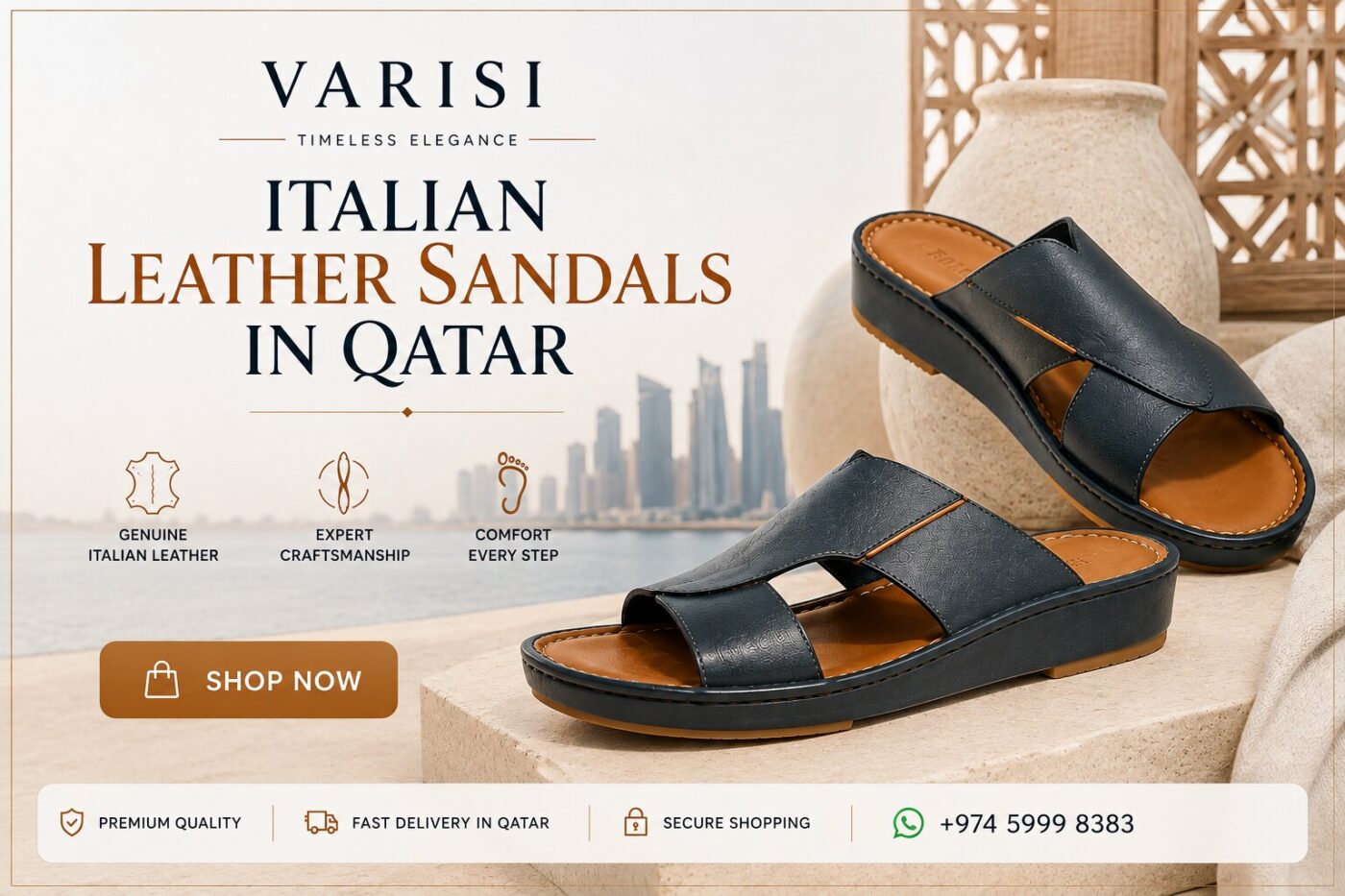
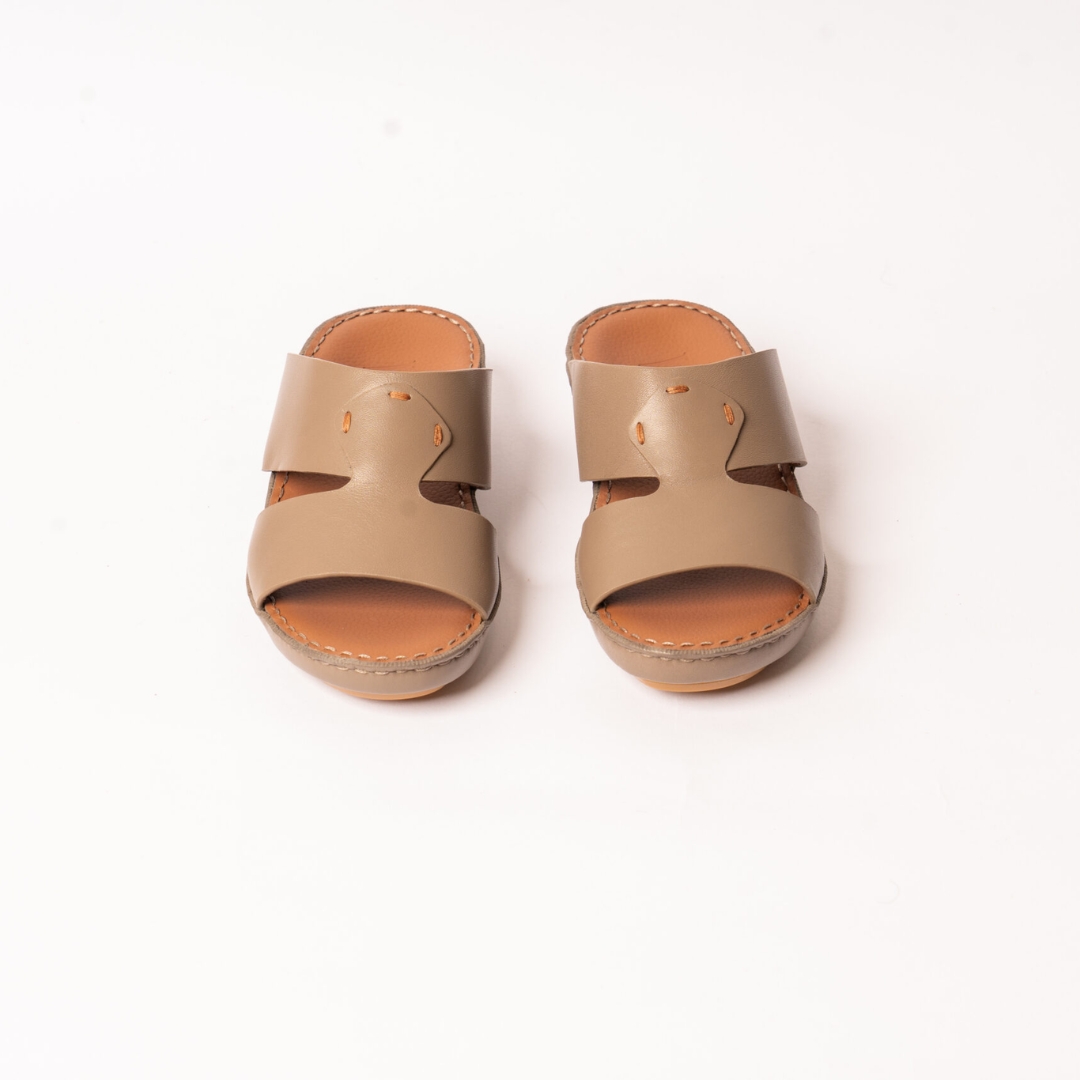
Choosing the right mens Arabic slippers is about more than finding a pair that matches your thobe. The best choice should feel easy to wear, look appropriate for the setting and stay reliable after repeated use. A good pair becomes part of your routine: ready for a prayer visit, a family event, an evening out or simply a smart everyday look.
Arabic slippers have a distinctive appeal because they sit between formal footwear and casual comfort. They are practical, refined and rooted in regional style. Yet, the market offers many options, from basic slip-ons to finely finished leather designs. Knowing what separates a well-made pair from one that only looks good in a product photo can save you from an uncomfortable or short-lived purchase.
This guide from Varisi explains how to assess mens Arabic slippers properly, with attention to fit, materials, sole construction and styling.
What Makes One Pair of Mens Arabic Slippers Last Longer Than Another?
The honest answer is rarely the price tag—it’s the materials underneath the surface. Two pairs of mens arabic slippers can look nearly identical from a metre away, yet one uses full-grain leather with reinforced stitching while the other relies on a thin synthetic coating over a cardboard-like base. The second pair might survive light, occasional wear, but daily use—walking, standing during prayer, and exposure to water—can wear it down quickly.
A longer-lasting pair typically shares three traits: a natural leather upper that flexes rather than cracks, a sole that's stitched rather than only glued, and an insole shaped to support the foot rather than simply cushion it. Miss any one of these, and the slipper's lifespan drops significantly, regardless of how polished it looks in a shop window.
Does Climate Actually Affect Which Mens Arabic Slippers You Should Buy?
More than most people realise. In hot, humid climates, synthetic materials trap heat and moisture against the skin, which can lead to discomfort and odour over time. Genuine leather, by contrast, allows better airflow and handles heat more gracefully, provided it's properly finished — which is why climate should always factor into how you choose mens Arabic slippers.
This is particularly relevant for anyone comparing luxury sandals in Qatar, where extreme summer temperatures test footwear far more aggressively than milder climates. A pair that performs well in cooler conditions might still fail quickly once exposed to consistent heat, which is why climate suitability deserves as much attention as style.
Why Do Some Slippers Feel Uncomfortable Even Though They're New?
This catches a lot of buyers off guard. A brand-new pair of mens arabic slippers should feel reasonably comfortable from the first wear—not painful or so restrictive that it requires weeks of “breaking in” before the rubbing or pinching stops. If a pair feels uncomfortable straight away, that’s rarely something that improves with time. More often, it signals a sizing mismatch, a rigid sole that hasn’t been designed to flex naturally with foot movement, or strap placement that sits awkwardly against the skin.
The fix here is simple but often skipped: walk around in the slippers for a minute or two before buying, rather than just trying them on while standing still. Comfort under actual movement tells you far more than comfort while stationary.
Think About When You Will Wear Them
Before selecting a colour or finish, decide what role the slippers will play in your wardrobe. This makes the buying process far easier and prevents you from choosing a pair that looks beautiful but does not suit your day-to-day needs.
A pair for formal celebrations may need a cleaner leather finish and a sleeker profile. A pair for regular use should be more forgiving, with a flexible sole and a fit that feels comfortable for several hours. If you are buying for travel, ease of removal and a stable sole may matter more than a highly polished appearance.
Ask yourself a few simple questions before you shop:
Will you wear the slippers mostly indoors, outdoors or both?
Do you need them for daily use, special occasions or Friday prayers?
Will you walk long distances while wearing them?
Are you likely to wear them with traditional clothing, casual clothing or both?
Do you prefer an open heel for convenience or more coverage around the foot?
Is durability more important to you than a very lightweight feel?
Your answers will narrow the choices quickly. Someone who spends most of the day moving between meetings, family homes and outdoor spaces will need something different from someone looking for an elegant pair to wear at formal gatherings.
Everyday footwear needs a practical sole
Many shoppers focus first on the leather upper, but the sole determines how useful the slipper is in real life. A thin sole may look graceful and traditional, but it may not give enough grip or protection when walking outdoors. For daily wear, look for a sole that feels stable without making the footwear appear heavy.
A slightly cushioned base can reduce pressure on the heel when standing for long periods. A textured rubber sole can also help on smooth floors, tiled entrances and outdoor pavements. The aim is not to choose a trainer-like sole; it is to find a design that keeps the traditional silhouette while making every step more secure.
When browsing mens Arabic slippers, examine the product image from the side as well as from underneath. This helps you judge whether the sole is suitable for the way you plan to wear it.
Getting the Fit Right for Mens Arabic Slippers
A slipper should feel relaxed, but it should not feel loose. The open design of many Arabic styles can make fit more important than shoppers expect. If the pair is too large, your foot may slide forward or lift at the heel while walking. If it is too tight across the upper, it can cause discomfort around the toes and instep.
Do not select a size simply because it is the size you normally wear in trainers or formal shoes. Different footwear styles can fit differently, particularly when the front is narrow or the upper is structured.
When considering fit, check these points:
Your toes should not press against the front edge.
The upper should sit smoothly across your foot without pinching.
Your heel should not move excessively as you walk.
There should be enough width for your foot to rest naturally.
The slipper should not feel difficult to put on or remove.
The edges should not rub against your toes or the side of your foot.
If you have a wider foot, avoid choosing a pointed design purely for appearance. A wider toe shape can still look elegant while giving your foot the room it needs. Comfort is not a compromise in quality footwear; it is one of the clearest signs that you have chosen well.
Open-back versus closed-back designs
Open-back styles are valued for their convenience. They are easy to put on, easy to remove and ideal for moments when you want effortless footwear. They suit home use, social calls, religious visits and warm weather particularly well.
A closed-back or more structured style gives additional hold around the heel. This can be useful if you walk frequently, travel often or prefer footwear that feels more secure. It may also create a more formal look when paired with tailored traditional clothing.
Neither option is automatically superior. The most suitable choice is the one that matches your habits. If convenience is your priority, an open-back style can be ideal. If support and stability matter more, a covered heel may be the better investment.
Learn How to Judge Quality
The material should suit your routine
The outer material affects the slipper’s look, comfort and maintenance needs. Leather is a classic choice because it can develop character with wear and often gives a neat, premium finish. Smooth leather tends to look formal and versatile, while textured leather can hide minor marks better and add a little depth to a simple outfit.
For shoppers searching for Arabic slippers for men, it is worth considering whether the material will work with their lifestyle. A polished finish may suit occasional evening wear, but it can show scuffs more easily. A matte or grained leather may feel more practical for regular use. Soft suede-style materials offer a relaxed appearance, although they require more care in dusty or wet conditions.
Do not judge quality from the word “leather” alone. Read the available product details and look for information on the lining, sole and care requirements. Clear descriptions help you make an informed choice and show respect for the customer’s decision.
Inspect the finishing details
Good craftsmanship is often visible in quiet details. You do not need specialist knowledge to assess whether a pair has been made carefully. Look at the stitching around the upper, the finish of the edges and the connection between the sole and the body of the slipper.
A stronger-quality pair will usually have:
Neat stitching with no loose threads
Even colour across the upper
Smooth edges around the opening
A sole that sits firmly against the upper
A toe shape that holds its form
A clean interior without rough seams
These details matter because Arabic slippers are often worn in settings where the overall presentation counts. A well-finished pair looks considered even when the rest of the outfit is simple.
For anyone comparing Arabic slippers men styles online, close-up photographs are useful. Zoom in on the toe, side profile and interior. These areas often reveal more than a full-length image.
Build a Colour Collection Slowly
You do not need several pairs at once. Begin with one versatile colour, then add more options as your wardrobe grows. Black and dark brown are dependable starting points because they work well for formal occasions and can be worn with a wide range of garments.
Tan, camel and medium brown create a warmer, more relaxed feel. They pair particularly well with white, cream, beige and light-coloured traditional clothing. Navy and deep burgundy can add character without looking overly bold, making them useful choices for events or evening wear.
If you are exploring luxury sandals in Qatar, avoid choosing a colour only because it is popular at the moment. A classic shade that works with your existing clothes will give you more value over time than a trend-led option you wear only once or twice.
Style Mens Arabic Slippers with Confidence
Mens Arabic slippers work best when they feel intentional rather than added at the last minute. With a kandura or thobe, choose footwear that supports the formality of the outfit. Smooth leather in black or deep brown usually gives a sharp, composed appearance. For daytime wear, a lighter brown or soft neutral shade can make the look feel more relaxed.
They can also be worn with modern clothing when the outfit remains clean and balanced. Neutral trousers, a linen shirt, a simple kurta or a tailored overshirt can all work with a refined pair of slippers. Keep the colours complementary and avoid overly athletic pieces, as the contrast can feel disconnected.
A few easy styling principles can help:
Match polished footwear with neater, more formal clothing.
Use textured leather to add interest to a plain outfit.
Pair light-coloured slippers with soft, neutral clothing tones.
Choose darker slippers when you want the footwear to look more formal.
Let the slipper complement the outfit rather than compete with it.
The beauty of mens Arabic slippers is that they can look understated while still making a strong impression. A clean shape, good material and proper fit often say more than excessive decoration.
How Long Should a Well-Made Pair of Mens Arabic Slippers Realistically Last?
With reasonable care, a properly constructed leather pair of mens Arabic slippers typically holds up well beyond a year of regular daily use. Lower-quality alternatives, particularly synthetic versions, often need replacing within just a few months in warmer climates. If you find yourself repeatedly buying new mens Arabic slippers within short intervals, the issue is almost always tied to material and construction quality, not how carefully you're wearing them.
Care Makes a Difference
Good craftsmanship is often visible in quiet details. You do not need specialist knowledge to assess whether a pair of mens Arabic slippers has been made carefully. Look at the stitching around the upper, the finish of the edges and the connection between the sole and the body of the slipper.
Wipe smooth leather with a clean, soft cloth after use. Avoid leaving footwear in direct sunlight or near strong heat, as this can dry out the material. If the slippers become damp, allow them to air dry naturally rather than placing them near a heater. For suede or nubuck finishes, use an appropriate brush and keep them away from heavy moisture.
When storing them, place the pair somewhere dry and clean. A dust bag or shoe box can help prevent unnecessary marks. These small habits are especially worthwhile when investing in luxury sandals in Qatar, where premium materials deserve proper attention.
Frequently Asked Questions
Can Arabic slippers be worn outdoors, or are they strictly indoor footwear?
Many pairs are versatile enough for both, but outdoor use calls for a slightly firmer sole with better grip, while thinner, softer soles are better suited to indoor and prayer use only.
What's the difference between men's and women's Arabic slippers in terms of construction?
Men's designs typically use thicker leather and a broader, more structured sole, while women's versions often favour lighter materials and narrower silhouettes — but both should follow the same stitching and quality standards.
Do Arabic slippers run true to standard shoe sizes?
Not always. Sizing can vary noticeably between brands, so it's worth checking a size guide or trying both slippers on rather than assuming your usual shoe size will fit.
Why do some leather slippers darken or change colour over time?
This is a normal process called patina, caused by natural oils, sunlight, and everyday handling — it's a sign of genuine leather ageing naturally, not a defect.
Can Varisi slippers be repaired if the sole wears down?
In most cases, yes — since Varisi uses stitched sole construction rather than glue-only bonding, a worn sole can often be reattached or resoled instead of replacing the entire pair.
Choose a Pair You Will Reach For Often
The right mens Arabic slippers should feel natural from the moment you wear them. They should match your lifestyle, suit your clothing and provide the comfort needed for your typical day. Instead of choosing only by appearance, consider the fit, sole, material, finishing and the occasions you have in mind.
At Varisi, take time to compare styles with purpose. Choose a pair that reflects your personal taste, but make sure it also supports the way you live. When comfort, quality and style work together, your slippers become more than footwear—they become a dependable part of your everyday wardrobe. Ready to find yours? Explore Varisi's collection and see the difference proper craftsmanship makes.
Follow us on Instagram for the latest product updates, new arrivals, and exclusive offers.