
Close

Search

luxury Arabic sandals

Inside Luxury Arabic Sandals: The Fascinating Journey from Raw Leather to Finished Footwear

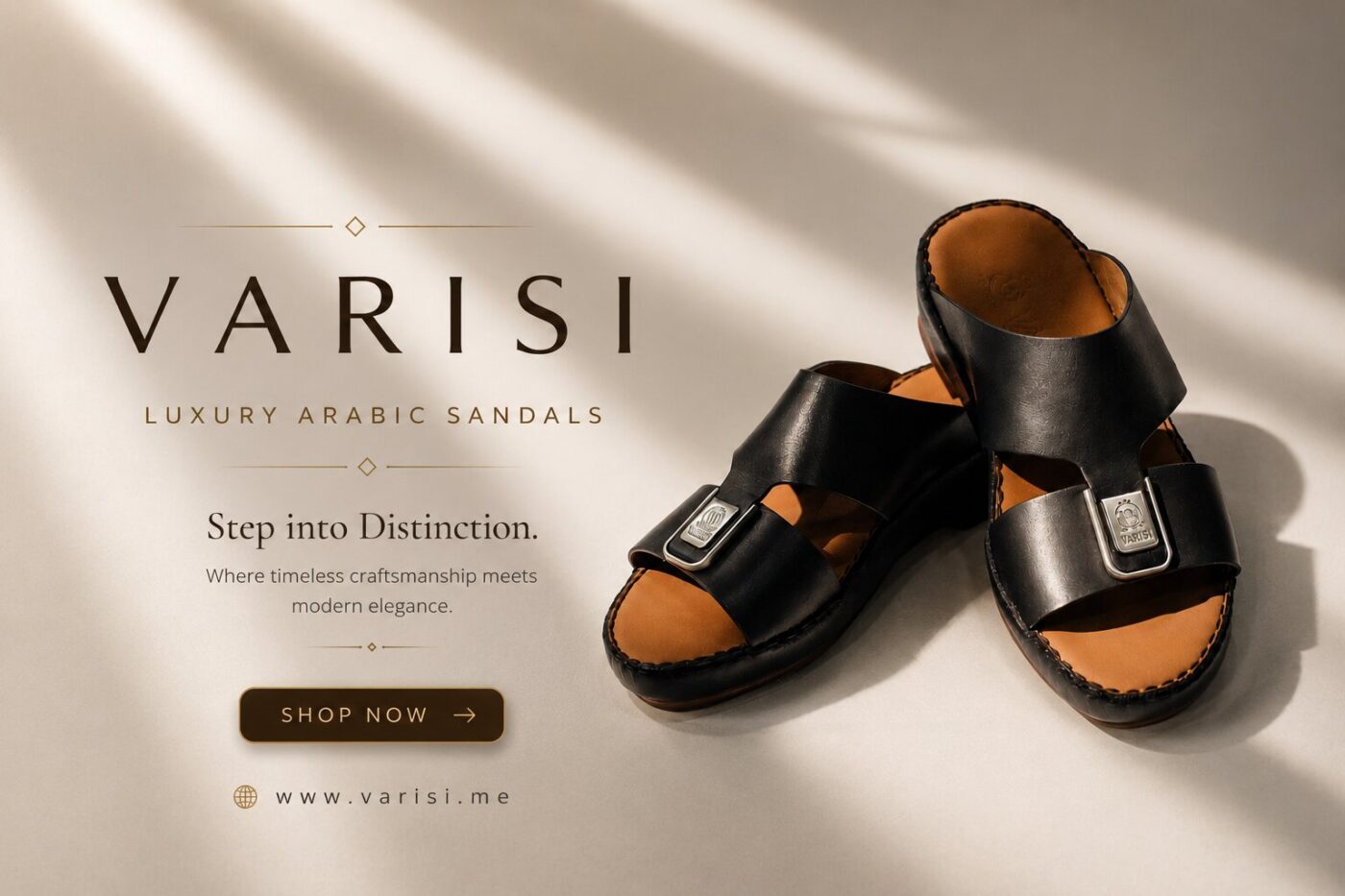
A well-made pair of luxury Arabic sandals is more than a finishing touch to an outfit. Its quality depends on the leather, the precision of the cutting, the construction of the sole, and the small details that influence comfort and appearance. From selecting suitable raw materials to shaping the final silhouette, every stage contributes to the character of the finished footwear. For men who appreciate traditional Middle Eastern style with a refined, contemporary look, understanding this process makes choosing the right pair much easier. At Varisi, the V500 Calf Black offers a useful starting point for exploring the appeal of black calf leather footwear. Its understated color makes it a versatile option for men who prefer a polished appearance without unnecessary decoration. Looking beyond the finished product reveals why material selection, craftsmanship, fit, and proper care matter when investing in quality Arabic-inspired sandals. What Makes Luxury Arabic Sandals Different? Arabic sandals have a distinctive place in Middle Eastern footwear, combining practical open footwear with designs suited to traditional clothing and modern wardrobes. Depending on the style, they may feature broad or narrow straps, carefully shaped footbeds, minimal ornamentation, and construction intended for everyday wear or more formal occasions. The luxury element is not simply a higher price or a glossy finish. It comes from the overall execution of the product. Clean edges, consistent stitching where applicable, balanced proportions, comfortable contact points, and a well-finished surface all contribute to the final result. Quality also depends on how the sandal performs after repeated use. A beautiful design should still fit securely, feel comfortable underfoot, and maintain its appearance with appropriate care. These practical considerations separate a thoughtful footwear purchase from one based on appearance alone. The Journey of Luxury Arabic Sandals Begins with Raw Leather Selecting Leather for Quality and Appearance Leather selection is one of the earliest decisions in footwear production. The material influences the sandal's texture, flexibility, durability, and ability to develop character over time. Different leather types behave differently during cutting, shaping, finishing, and wear, so the material must suit the intended design. Calf leather comes from young cattle and is commonly valued in premium leather goods for its relatively fine grain and smooth appearance. Depending on how it is processed, it can offer a refined surface that works particularly well with minimalist footwear. However, the word "calf" alone does not guarantee a particular quality level. The hide's condition, tanning method, finishing treatment, thickness, and consistency all influence the result. Buyers should also distinguish between genuine leather and synthetic materials rather than assuming that every material with a leather-like appearance has the same properties. For black sandals, the quality of the surface finish is especially noticeable. Uneven coloration, poorly finished edges, and visible inconsistencies can affect the overall appearance. Careful material selection helps create a more consistent finished product. Preparing the Leather Before Production Raw hides cannot simply be cut into straps and attached to a sole. Leather generally passes through preparation and processing stages before it becomes suitable for footwear. These can include preservation, tanning, drying, grading, trimming, and finishing, depending on the supplier and production method. Tanning stabilizes the hide so it is less susceptible to decomposition and more suitable for practical use. Different tanning processes produce different characteristics in terms of firmness, flexibility, color, and response to moisture. Once the leather is prepared, it is inspected for defects and variations. Areas with prominent marks, weak sections, or inconsistent thickness may need to be avoided for particular components. This is important because sandal straps must withstand repeated bending and tension while maintaining their shape. For manufacturers, preparation is also about consistency. Leather that is too stiff may feel uncomfortable around the foot, while leather that is excessively soft for a particular design may stretch more than intended. The appropriate balance depends on the sandal's construction and intended use. How Luxury Arabic Sandals Take Shape Creating the Pattern and Cutting Each Component Pattern development translates a design into individual pieces that can be cut and assembled. The pattern must account for the sandal's proportions, strap placement, foot shape, and the relationship between the upper and the sole. Precision matters because small differences can affect the way a sandal sits on the foot. A strap that is too tight may create pressure, while one that is too loose may allow the foot to move excessively. Poorly aligned components can also make a finished pair appear uneven. During cutting, manufacturers select appropriate sections of leather for the required pieces. Depending on the production setup, this work may involve hand tools, cutting dies, or specialized machinery. The main considerations include: Consistent dimensions: Matching components help maintain a balanced appearance across both sandals. Efficient material use: Thoughtful cutting reduces unnecessary waste. Grain direction: The orientation of the leather can influence how a component stretches and bends. Surface quality: Visible parts should have an appropriate, consistent finish. Structural suitability: Areas under repeated tension need suitable material and construction. This stage demonstrates why good footwear production requires more than an attractive design. The pattern and cutting decisions influence comfort, appearance, and long-term performance. Shaping the Straps and Refining the Edges The upper gives Arabic sandals much of their visual identity. Some designs use a simple arrangement of straps, while others have more distinctive shapes or decorative elements. Whatever the style, the upper must balance appearance with the practical demands of movement. Leather edges deserve particular attention. Depending on the design, they may be trimmed, smoothed, burnished, painted, or finished using another suitable method. The objective is to create an edge that looks clean and feels comfortable against the skin. Poorly finished edges can feel rough, show premature wear, or detract from an otherwise attractive sandal. Similarly, strap openings, attachment points, and bends must be handled carefully to avoid unnecessary stress on the material. The finishing method should suit the leather and the sandal's construction. Not every technique is appropriate for every type of leather, and an elaborate finish is not automatically better than a restrained one. In well-designed footwear, the details support the overall form rather than distract from it. Building the Sole for Support and Stability A sandal's sole affects more than its appearance. It influences flexibility, traction, ground feel, and the way pressure is distributed across the foot. The ideal construction depends on the materials used, the intended environment, and the design's priorities. The footbed should accommodate the wearer's foot without creating unnecessary pressure points. Sole thickness, shape, and flexibility can all influence comfort. Meanwhile, the outsole should provide suitable grip for the surfaces on which the sandal will normally be worn. Different footwear designs use different combinations of leather, rubber, and other materials. Leather may contribute a traditional appearance, while suitable rubber compounds can provide useful traction and abrasion resistance. The presence of a particular material does not, by itself, establish the overall quality of the sandal. When evaluating premium footwear, look for a sole that sits evenly, an upper that is securely attached, and a construction that feels stable during ordinary walking. These are more meaningful indicators than decorative details alone. Assembling the Finished Sandal Assembly brings the individual components together. Depending on the design, the process may involve stitching, adhesives, mechanical fastening, or a combination of methods. The appropriate technique depends on the materials and the intended construction. Alignment is critical during this stage. Both sandals should have consistent proportions, and the straps should sit in corresponding positions. The upper must also be attached securely enough to withstand normal use. Quality checks can identify issues such as uneven edges, loose threads, visible adhesive residue, irregular coloring, or inconsistent strap placement. A careful inspection also considers whether the sole is properly aligned and whether the finished footwear matches the intended design. Not every premium sandal is handmade from beginning to end. Some manufacturers combine skilled manual work with machinery to improve precision and repeatability. What matters to the buyer is the quality of the final product, the suitability of its materials, and the consistency of its construction. Why Luxury Arabic Sandals Require Attention to Detail Finishing, Inspection, and Final Quality Checks The final stage focuses on appearance, consistency, and usability. Surface treatments may be applied to achieve a particular color or sheen, while finishing work helps refine the visible edges and components. Black leather sandals illustrate the importance of this stage. A uniform black finish can create a sharp, understated look, but the surface should also be appropriate for the leather beneath it. Excessive polishing cannot compensate for poor construction or unsuitable materials. Before a pair is ready for use, a thorough inspection should consider: Whether both sandals match in shape and finish. Whether straps and attachment points appear secure. Whether the edges feel smooth and appropriately finished. Whether the soles are aligned and free from obvious defects. Whether the footbed and straps appear suitable for the intended fit. Whether the product matches its stated material and design specifications. These checks help establish consistency, although they cannot guarantee how every pair will perform under every condition. Actual durability also depends on materials, construction, frequency of use, exposure to moisture, and maintenance. Choosing Luxury Arabic Sandals for Everyday Style The manufacturing process explains how sandals are made, but choosing the right pair requires considering how they will fit into your lifestyle. A sandal intended for occasional formal wear may have different priorities from one designed for frequent walking or daily errands. How to Style Black Arabic Leather Sandals Black footwear is popular because it works with a wide range of colors and clothing styles. The V500 Calf Black from Varisi is a relevant option to explore if you prefer a clean, dark finish and a traditional Arabic-inspired aesthetic. Consider these combinations when styling Arabic leather sandals: With a traditional thobe: Black sandals create a restrained, coordinated appearance without competing with the clothing. With tailored trousers: Choose trousers with a clean hem to maintain balanced proportions and keep the footwear visible. With linen clothing: Neutral linen shirts and lightweight trousers create a relaxed look suited to warm weather. With smart-casual outfits: A simple shirt and well-fitted trousers complement minimalist sandals without making the outfit look overly formal. When selecting mens Arabic sandals, pay attention to strap placement, the width of the footbed, and whether your heel sits comfortably within the sole. Your toes should not extend beyond the front edge, and the straps should hold the foot securely without pinching. What to Consider When Buying Luxury Sandals in Qatar Climate and daily routines are important considerations when shopping for luxury sandals in Qatar. Warm conditions make breathable footwear appealing, but leather still requires sensible care, particularly when exposed to heat, sweat, dust, or moisture. Before purchasing, evaluate the following factors: Material: Check the product description to understand whether the upper is calf leather, another type of leather, or a synthetic alternative. Fit: Try the sandals on, if possible, and walk a short distance. Your foot should feel supported without excessive movement or uncomfortable pressure. Sole construction: Consider the intended walking surfaces and look for suitable traction and secure attachment. Versatility: A black pair can work with traditional clothing and many smart-casual outfits, making it a practical addition to a footwear collection. Care requirements: Ask about suitable cleaning products and conditioning methods for the specific leather finish. For shoppers exploring premium Arabic-inspired footwear, the Varisi V500 Calf Black product page provides a useful place to review the model's available details before making a decision. How to Care for Luxury Arabic Sandals and Preserve Their Finish Good leather footwear benefits from regular, appropriate maintenance. Even well-constructed sandals can lose their appearance prematurely if they are repeatedly exposed to moisture, excessive heat, or unsuitable cleaning products. Follow these practical steps: Remove surface dust: Use a soft, dry cloth after wearing the sandals. Address dirt carefully: Wipe the affected area with a slightly damp cloth when appropriate, avoiding excessive water. Allow natural drying: If the sandals become wet, let them dry at room temperature, away from direct sunlight and heaters. Use suitable leather care products: Test any cleaner or conditioner on a discreet area first and follow the manufacturer's instructions. Store them properly: Keep the sandals in a clean, dry, ventilated place away from prolonged direct sunlight. Rotate your footwear: Alternating pairs gives leather footwear time to dry between uses. Avoid assuming that every leather product requires the same treatment. Some finishes respond poorly to oils, waxes, or conditioners intended for other leather types. When in doubt, follow the care instructions provided by the manufacturer. Frequently Asked Questions About Luxury Arabic Sandals What makes luxury Arabic sandals worth considering? Their appeal comes from a combination of design, material selection, construction quality, fit, and finishing. A well-made pair can complement traditional and contemporary clothing, provided it suits the wearer's needs. Is calf leather suitable for Arabic sandals? Calf leather is commonly used in premium leather goods because it can offer a fine grain and refined appearance. Its suitability depends on the leather's processing, thickness, finish, and the sandal's construction. How can I choose comfortable mens Arabic sandals? Check the footbed length and width, strap placement, heel stability, and sole flexibility. The sandals should feel secure without rubbing or creating pressure points. Comfort can vary with individual foot shape. Are black Arabic leather sandals versatile? Yes. Black is easy to coordinate with traditional garments, neutral trousers, and many smart-casual outfits. The sandal's design and finish will determine how formal or relaxed it looks. How should I maintain leather sandals in Qatar's climate? Remove dust regularly, avoid prolonged exposure to direct heat, and allow the sandals to dry naturally after perspiration or moisture. Use leather care products appropriate for the specific finish. Where can I explore the Varisi V500 Calf Black? You can view the product details on the Varisi V500 Calf Black product page. Review the listed specifications, materials, sizing information, and care guidance before purchasing. From Raw Leather to a Refined Finish: The Value of Thoughtful Craftsmanship The journey from raw leather to finished footwear involves a series of decisions that shape how a sandal looks, feels, and performs. Leather selection establishes the material's character, precise cutting defines its proportions, careful assembly brings the design together, and final inspection helps maintain consistency. For anyone considering luxury Arabic sandals, these details offer a more practical way to evaluate quality than appearance or price alone. Material transparency, a comfortable fit, reliable construction, and appropriate care all contribute to a satisfying purchase. The Varisi V500 Calf Black is worth exploring if you are looking for a black, calf-leather Arabic-inspired style. By understanding the craftsmanship behind the footwear and checking the product's actual specifications, you can make a more informed choice that balances personal style with everyday practicality. Follow us on Instagram for the latest product updates, new arrivals, and exclusive offers.
black leather sandals for men

Unlock 7 tips to style black leather sandals for men with a Sophisticated look

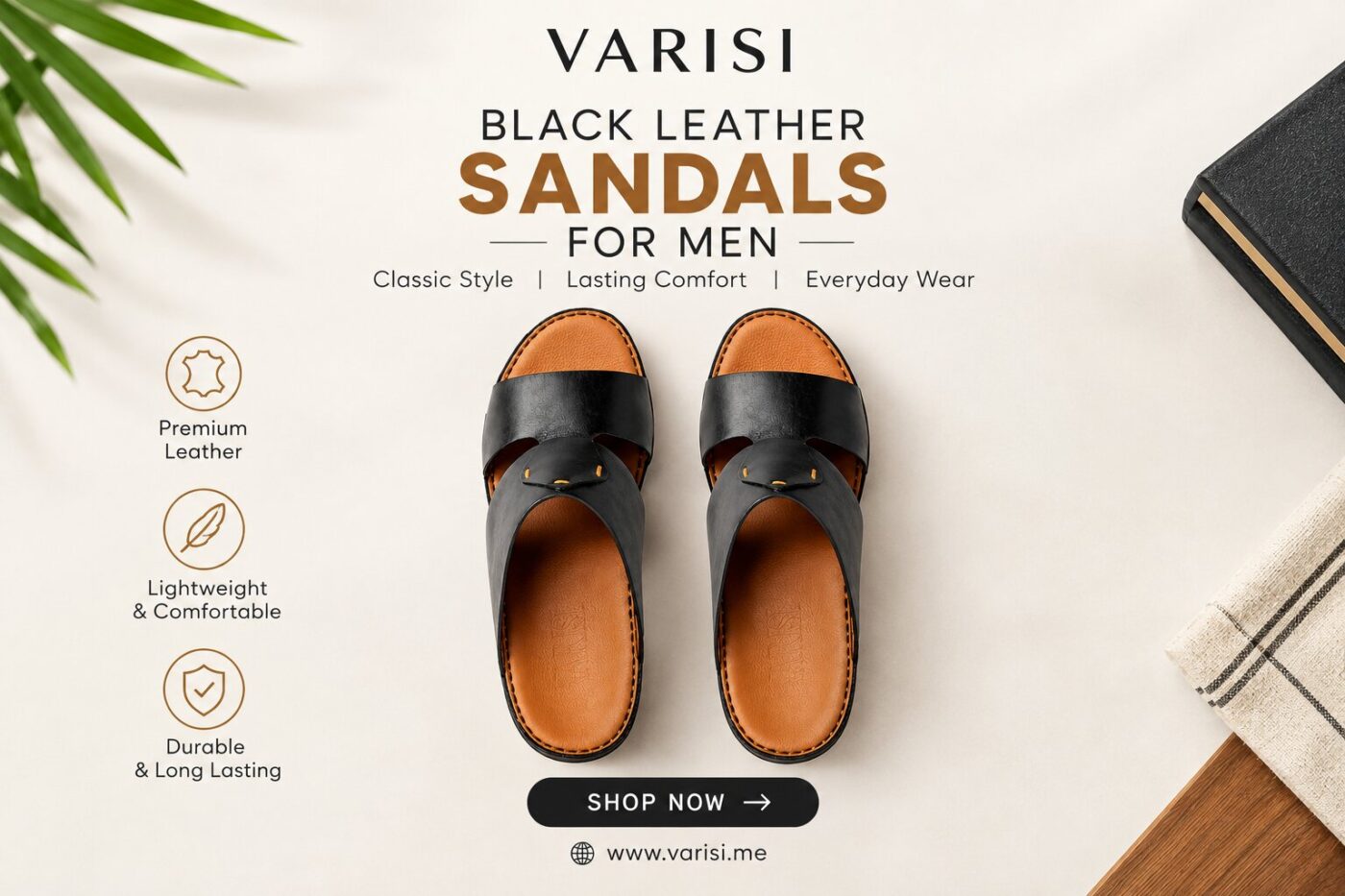
A sophisticated outfit does not always require formal shoes. Moreover, black leather sandals for men can create a refined, confident appearance when chosen carefully. In Qatar, warm weather and elegant social settings often coexist, making a well-made leather sandal a versatile wardrobe piece. At Varisi, sophistication is treated as a combination of material, fit, proportion, and restraint. Additionally, the brand’s approach to premium Arabic leather sandals shows that a sandal can be comfortable and practical. Below are seven practical secrets to help wear black leather sandals for men with confidence. Why Black Leather Sandals for Men Look Alike but Wear Very Differently Line up ten pairs of black leather sandals for men on a shelf and they’ll look almost identical: flat sole, a few straps, a dark finish. The differences show up after a week in real heat. One pair softens and settles around your foot. Another rubs your heel, slips, or cracks near the toe. Most of that comes down to details product photos hide. To help you spot them, we’ve listed 7 secrets below that explain how to choose, style, and care for a pair that looks sophisticated and lasts. 1. Start With Leather That Looks Better Over Time Sophistication begins with the material. Cheap coated leather looks acceptable for about a month, then the finish cracks near the toe and the straps start to peel. Quality hides do the opposite. They soften, take on a slight sheen, and develop small marks that read as character rather than damage. When you evaluate black leather sandals for men, look at the grain up close. Real leather has tiny natural irregularities, while imitation surfaces show a repeating, stamped pattern. Press your thumb into a strap. It should flex and spring back without feeling plastic. If a seller can’t tell you which grade of leather is used, treat that as a warning sign. Many shoppers looking for black leather sandals for men in Qatar assume the label guarantees quality. However, it doesn’t. The term simply confirms the product is real hide, which ranges from full-grain to low-grade split leather. Ask for the specific grade and you’ll learn more in thirty seconds than a product tag will tell you. 2. Choose a Slim, Clean Silhouette Bulky soles and oversized buckles make a sandal look casual, even when the leather is excellent. A refined pair keeps the lines simple: a modest sole, a low profile, and straps that sit flat against the foot. Think of the sandal the way a tailor thinks of a jacket. The shape should follow the foot rather than overpower it. A thick, lugged outsole belongs on a hiking sandal. For city wear, dinners, and gatherings, a thinner profile with a supportive footbed looks sharper and feels lighter. Why Heritage Designs Get This Right This is where traditional footwear has an edge. Classic Arabic leather sandals were shaped around restraint: a flat profile, a toe loop or a broad front strap, and a clean heel line. Decoration is minimal, and the proportions do the work. When you browse Arabic sandals in Qatar, the strongest options respect that structure but update the comfort underneath with cushioned insoles and a more durable sole, so the look stays classic while the wear experience feels current. 3. Let Black Leather Sandals for Men Anchor a Simple Outfit The sandal should be the finishing touch, not the loudest item on the body. Keep the rest of the outfit quiet and the shoe will look intentional. Some pairings that consistently work: A white or cream thobe: The contrast is crisp. Keep the sandal slim and the hardware subtle. Navy or olive chinos with a linen shirt: Roll the cuff once so the ankle shows. Tailored shorts just above the knee: Pair with a plain cotton polo, not athletic wear. Dark, lightweight trousers with a pressed shirt: A smooth, minimally detailed sandal works for relaxed dinners. The rule is consistency. If your clothes are tailored and neat, a sandal with clean lines fits right in. If your outfit is baggy or sporty, the sandal will look out of place no matter how well it’s made. 4. Grooming Matters More Than the Shoe Open footwear exposes the whole foot, so grooming is part of the look. This is the secret most style guides skip, and it makes the biggest visible difference. Keep toenails trimmed and clean. Moisturize heels, especially in dry climates where skin cracks easily. Use a pumice stone once a week to remove rough patches. A few minutes of effort will do more for your appearance than spending an extra hundred dollars on the sandal itself. Pay attention to the leather too. A dusty footbed or dull straps undercut an otherwise neat outfit. Wipe your pair with a soft cloth before heading out. It takes ten seconds. 5. Get the Fit Right, or Nothing Else Works Even a beautiful sandal looks clumsy if it doesn’t fit. A heel hanging off the back, toes overhanging the front, or straps digging into the skin all change how you walk, and people notice posture and gait more than they realize. Use this quick fit check: Try them in the evening, when your feet are at their largest. Seat your heel fully on the footbed. Leave a small margin at the front so toes rest comfortably within the edge. Stand and walk on a hard surface. Listen for slapping and feel for slipping. Check strap pressure across the top of the foot. Snug is good. Pinching is not. If you’re between sizes, size up only when the strap design is adjustable. A fixed strap on an oversized sandal causes heel slide and blisters. 6. Choose Luxury by Craft, Not by Label Buyers comparing luxury sandals in Qatar often get pulled toward familiar names. A better approach is to judge the sandal on what’s actually in your hands. Real luxury shows up in details: hand-finished edges, even stitching, a footbed shaped for real feet, and leather that feels substantial rather than thin. Flip the sandal over. A premium pair has a sole with some weight to it, a firm bond to the footbed, and clean finishing where layers meet. Check the inside of the straps. If the edges are smooth and sealed, the maker paid attention to the parts nobody sees in photos. That same care usually carries through the entire product. A higher price should come with identifiable reasons. If you can’t name two or three, keep comparing. 7. Care for the Leather Like It’s a Long-Term Investment Sophistication fades quickly when leather looks tired. A simple routine keeps a pair presentable for years. Wipe after wearing to remove dust and sweat salts. Rotate pairs. Leather needs about a day to dry out between wears. Condition monthly with a quality leather conditioner, then buff lightly. Touch up scuffs with black cream polish and let it dry completely. Store in shade. Direct sun fades black dye and dries out the hide. Avoid soaking. Water stiffens leather and strips its natural oils. In the Gulf, heat and fine dust are the main enemies. Never leave sandals in a parked car, where temperatures can warp soles and bake the leather. Why Black Is the Smartest Color Choice Black is often chosen because it is safe, but it is also one of the most practical colors for men’s footwear. It coordinates with nearly every neutral shade and maintains a clean appearance even with regular use. Versatility Across Wardrobes Black leather sandals work with traditional clothing, casual outfits, and travel wear. This makes them a strong choice for men who want one dependable pair rather than a drawer full of options. A Quiet Sense of Luxury Black does not need to announce itself. When paired with quality leather and a clean design, it creates a refined impression without relying on bright colors or bold details. This understated approach is what makes black leather sandals for men so effective for sophisticated dressing. Why Varisi Is a Strong Choice Varisi focuses on premium Arabic footwear made with genuine leather and careful attention to detail. Its collection includes traditional designs as well as modern silhouettes, giving men options for religious gatherings, family events, travel, and everyday wear. For men seeking luxury sandals in Qatar, Varisi offers a practical standard: quality leather, balanced construction, and designs made to be worn repeatedly. The brand’s emphasis on craftsmanship makes its black leather sandals suitable for men who want footwear that feels as good as it looks. Frequently Asked Questions How do I make black leather sandals for men look more formal? Choose a smooth, polished finish with minimal hardware, wear them with pressed trousers or a clean thobe, and keep the leather conditioned and free of dust. Should my sandals match my belt? Ideally, yes. Matching the leather color, and loosely matching the buckle metal to your watch, makes the outfit look coordinated. Is a toe post or a wide strap more refined? Both work. A toe post looks sleek with flowing garments, while a wide front strap looks more structured with tailored trousers. Are sandals suitable with a thobe? Yes. Slim black leather sandals are a natural match for a white or light thobe. Avoid chunky soles and oversized buckles. How long does a good pair last? With rotation and regular conditioning, quality leather sandals can last several years. Poorly made or coated leather may crack within a season. Final Thoughts Looking sophisticated in sandals isn’t about hiding the fact that they’re open. It’s about choosing quality leather, keeping the shape clean, getting the fit right, and treating grooming as part of the outfit. Apply the seven secrets above and black leather sandals for men will earn a regular spot in your rotation, whether you’re heading to a family gathering, a casual dinner, or a long afternoon out. Follow us on Instagram for the latest product updates, new arrivals, and exclusive offers.
genuine leather sandals Qatar

Discover the Remarkable Comfort of Genuine Leather Sandals in Qatar

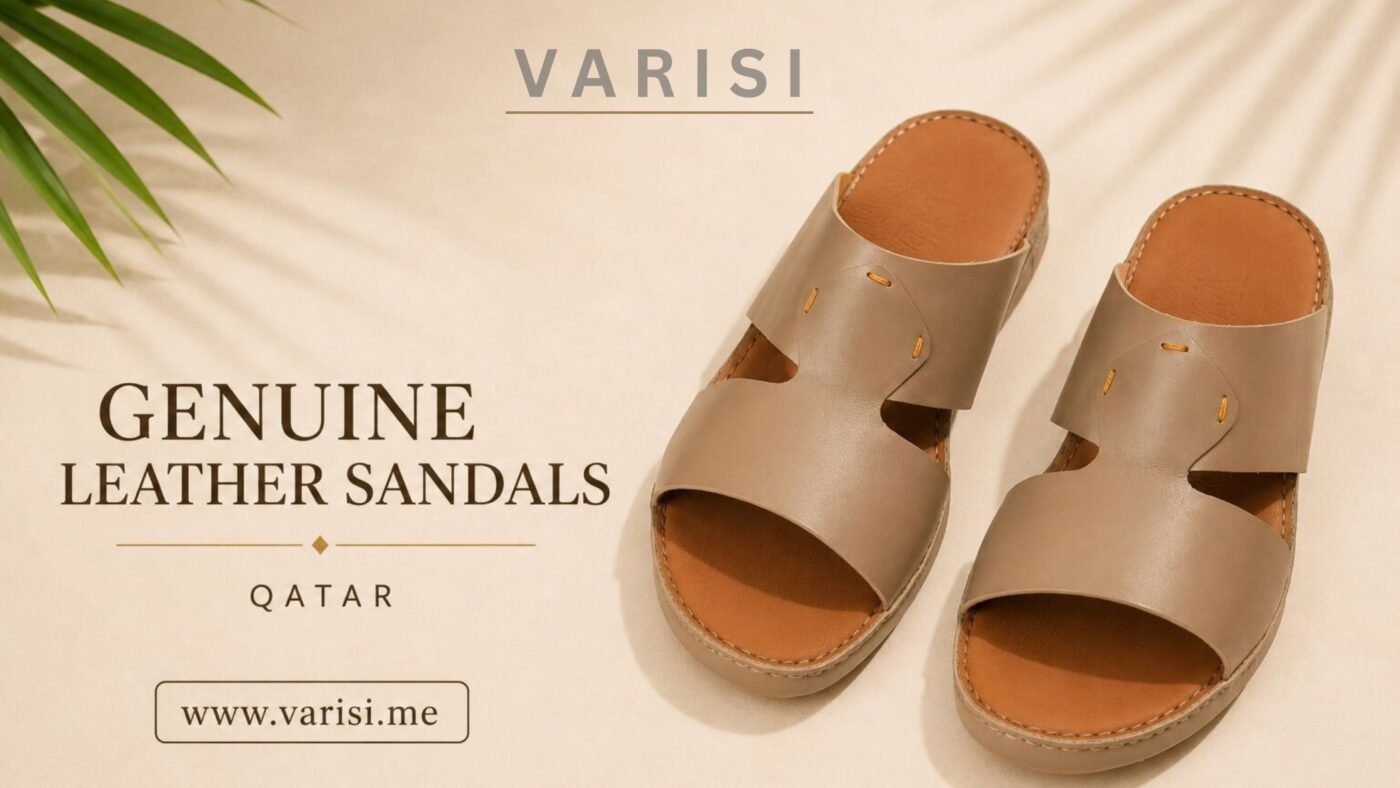
There's a particular moment every resident of Qatar knows well — stepping outside at midday in July, feeling the pavement heat rise through the soles of your shoes within seconds. It's in that exact moment that the difference between ordinary footwear and genuine leather sandals in Qatar becomes impossible to ignore. One pair leaves your feet damp, irritated, and ready to come off the second you're indoors. The other barely registers the heat at all. That contrast is the entire reason this conversation matters here, in a country where footwear has to earn its place in your daily routine rather than just look good in a photo. At Varisi, this isn't theoretical. It comes from fitting hundreds of customers, listening to what actually bothers people about the sandals they're replacing, and building something that solves those specific complaints rather than guessing at them. The Real Reason Genuine Leather Sandals in Qatar Outperform Everything Else Most people assume sandal comfort comes down to cushioning alone. It doesn't. Cushioning matters, but it's secondary to something more fundamental: how the material responds to heat, sweat, and friction over an entire day. Synthetic materials — PU leather, rubber compounds, plastic blends — are essentially sealed surfaces. They don't allow moisture to pass through, which means whatever your foot produces over eight or ten hours of wear just sits against your skin. In Doha's climate, where outdoor temperatures routinely sit above 40°C for months at a stretch, this turns into a real problem fast: soft tissue breakdown, blistering, and that unmistakable smell that no amount of spraying will fully fix. Genuine leather works on a completely different principle. Its fibrous structure has natural micro-pores, so air moves through it instead of being trapped. This single property is why genuine leather sandals in Qatar consistently get chosen by people who've already tried the cheaper alternatives and learned the hard way that synthetic materials and Gulf summers don't mix. A Material That Improves Instead of Degrading Here's something most people don't expect: leather gets better with wear, not worse. Within the first two weeks of regular use, the fibers begin to relax and reshape around the unique contours of your foot — your arch height, the width across your toes, the pressure points along your heel. Synthetic materials can't do this. They either stay rigid or they break down structurally, which is why a cheap sandal often feels fine on day one and falls apart by week six. Arabic Sandals in Qatar: Function Built Into the Design, Not Added Later It's worth understanding where this style of footwear actually comes from, because the design choices aren't arbitrary. Arabic sandals in Qatar carry forward a design language shaped by centuries of movement across hot, arid terrain — markets, mosques, courtyards, and long stretches of walking between them. The open structure wasn't a style decision first; it was a survival decision. Enclosed shoes trap heat. Open-toe, strap-based designs let air circulate continuously, which mattered enormously before air conditioning existed and still matters now for anyone spending real time outdoors. The low, flat sole wasn't about minimalism either — it kept the foot stable on sand and uneven stone without adding unnecessary bulk or weight. What's changed is the refinement, not the underlying logic. Modern Arabic leather sandals built by brands like Varisi take that original structural wisdom and pair it with details older versions didn't have — contoured footbeds, reinforced stitching at pressure points, and leather treatment processes that extend the material's lifespan well beyond what older tanning methods could achieve. Why This History Still Shapes Buying Decisions Today When customers describe wanting something that "feels right" for Qatar, they're often unconsciously describing this inherited design logic — even if they've never thought about where it came from. A sandal that breathes, sits low and stable, and doesn't fight against the heat isn't a modern invention. It's a refinement of something that's been solved, imperfectly, for a very long time. Spotting Luxury Sandals in Qatar: The Details That Actually Matter The word "luxury" gets attached to a lot of products without much behind it. When it comes to footwear, there are specific, checkable details that separate genuinely well-made sandals from ones that simply look expensive in photos. Hide quality — Full-grain leather retains the natural surface of the hide, including its strength and flexibility. Lower grades are sanded and coated to hide flaws, which also strips away durability. Stitch density and placement — High-wear zones like the toe post and heel strap need tighter, reinforced stitching, not decorative topstitching that looks neat but offers no structural support. Sole construction — A good sole flexes with your foot's natural movement instead of forcing your foot to adapt to a stiff, flat surface. Edge finishing — Raw or poorly sealed leather edges fray and darken unevenly with water exposure; properly burnished edges hold their shape for years. Consistency of dye — Natural dyes penetrate the leather rather than sitting on top of it, which is why quality sandals age into a richer tone instead of fading in patches. These details rarely show up in a quick glance, which is exactly why so many buyers end up disappointed a few months after purchase. Luxury sandals in Qatar earn that label through construction choices most people never think to check — not through branding or price alone. What to Actually Look For When Buying Shopping for sandals suited to this specific climate and lifestyle comes down to a short list of practical questions, more than aesthetic preference alone. Does the sole bend naturally when you flex it by hand? If it feels stiff even unworn, it will likely stay uncomfortable. Are the straps wide enough to distribute pressure? Thin straps dig in after a few hours of walking, especially in heat-swollen feet. Is the stitching reinforced at the toe post? This is the single most common failure point in lower-quality sandals. Does the color suit practical, everyday conditions? Lighter tones show dust and sand far more visibly than deeper, richer shades. Will it transition between settings? A well-designed pair should move easily from a grocery run to an evening gathering without feeling out of place either way. Getting these answers right before buying saves the frustration of a pair that looks good in the store but becomes unwearable within a season. Keeping Leather Sandals in Good Condition Through Qatar's Climate Leather isn't high-maintenance, but it does respond to neglect faster in dry, dusty conditions. A few habits make a measurable difference over time: Brush off dust and sand after outdoor wear rather than letting it grind into the leather's surface Avoid leaving sandals in direct sunlight or a hot car for extended periods, since excessive heat dries out natural oils in the leather Use a leather conditioner every couple of months, particularly during the driest stretches of the year Store sandals somewhere ventilated rather than sealed in plastic, which traps moisture and encourages mildew None of this takes much time, but skipping it is the single biggest reason people assume leather doesn't hold up — when in most cases, it was simply never given the basic care it needed. Who Actually Benefits Most From Genuine Leather Sandals in Qatar Not every buyer has the same reason for switching, and that's worth pointing out because the benefits show up differently depending on lifestyle. For someone who spends most of the day on their feet — retail staff, delivery drivers, people constantly moving between indoor and outdoor spaces — the breathability of genuine leather sandals in Qatar translates directly into fewer blisters and less end-of-day fatigue. For parents running errands with kids in tow, the appeal is more about convenience: a pair that slips on instantly at the door and holds up to being kicked off and stepped back into a dozen times a day without the straps loosening or the sole separating. Even for people who mostly stay indoors in air-conditioned spaces, the moment they step out to the car or across a parking lot is often enough to notice the difference, since asphalt and tile both hold heat far longer than people expect. How Genuine Leather Sandals in Qatar Compare Across Price Points One question that comes up constantly is whether a higher price actually buys anything meaningful, or whether it's just branding. In practice, the price difference in genuine leather sandals in Qatar tends to track closely with three things: the grade of hide used, the amount of hand-finishing involved, and the quality control applied to stitching and sole bonding. A budget pair might use genuine leather on the surface but pair it with a weaker adhesive sole that separates within months. A mid-range pair typically holds up better structurally but may skip finer details like burnished edges or contoured arch support. The higher end of the market, where Varisi positions itself, is where all three elements line up — solid hide, careful construction, and finishing that's built to be walked on daily rather than displayed once and forgotten. Understanding this breakdown helps buyers see past the price tag alone and judge what they're actually paying for. Common Mistakes People Make When Buying Genuine Leather Sandals in Qatar A surprising number of complaints about leather sandals trace back to buying mistakes rather than product defects. One of the most frequent is purchasing a size that feels slightly tight, assuming the leather will "stretch out" — which it does, but only by a small margin, so starting too tight usually just means weeks of discomfort before the fit becomes bearable. Another common mistake is judging comfort entirely in an air-conditioned store, where leather feels stiffer than it will after a few days of real wear and ambient heat. People also tend to overlook strap adjustability, assuming a fixed-strap design will fit as well as one with a buckle or added notch, when in reality foot swelling from heat can change fit noticeably over the course of a day. Avoiding these missteps is often the difference between a pair that becomes a daily favorite and one that ends up pushed to the back of the closet after a few uneven wears. Genuine Leather Sandals in Qatar and the Shift Toward Mindful Buying There's a noticeable change in how people here are shopping for footwear compared to a few years ago. Fast fashion versions of sandals used to dominate casual conversations — cheap, replaceable, barely thought about past the purchase. That's shifting. More buyers are now asking how something is made before they ask how much it costs, and genuine leather sandals in Qatar sit right at the center of that shift. Part of it is practical fatigue with replacing synthetic pairs every few months. Part of it is a growing awareness that a well-made product, even at a higher upfront cost, often works out cheaper over a year or two once you factor in how often cheaper alternatives need replacing. This isn't a trend driven by marketing; it's driven by people comparing receipts and realizing the math favors quality. Styling Genuine Leather Sandals in Qatar for Different Settings One thing that often surprises first-time buyers is how versatile a well-made pair actually is. A simple, neutral-toned leather sandal pairs naturally with a thobe or kandura for daily errands, works just as comfortably with casual Western wear like jeans or linen trousers, and still holds up visually at slightly dressier gatherings when paired with the right outfit. This versatility matters more in Qatar than it might elsewhere, since the same pair of sandals often needs to carry someone from a morning at the souq to an evening family visit without a change of shoes in between. Darker shades like espresso or deep tan tend to offer the most flexibility, since they read as polished without looking overly casual or overly formal in either direction. The Environmental Argument for Genuine Leather Sandals in Qatar It's easy to overlook, but durability has an environmental dimension that's becoming harder to ignore. Synthetic sandals that wear out every few months end up in landfill cycles far faster than their leather counterparts, and the production of synthetic materials typically relies more heavily on petroleum-based inputs. A single well-made pair of genuine leather sandals in Qatar, properly cared for, can realistically outlast three or four synthetic pairs bought over the same stretch of time — which means less waste generated per year of actual wear. This isn't the primary reason most people switch to leather, but for buyers who do think about it, it's a meaningful secondary benefit layered on top of the comfort and durability advantages that usually come first. Final Thoughts Comfort isn't something you can judge from a shelf or a product photo. It shows up hours into wear, in how your feet feel by the end of a long day, and in whether a pair survives repeated exposure to heat, sand, and movement without losing its shape. That's the real standard, and it's one that genuine leather sandals in Qatar meet in a way few alternatives can match. This is the thinking behind every pair built by Varisi — not chasing trends, but solving the specific, practical problem of what footwear needs to do in this part of the world. If you've been getting by on sandals that weren't really built for this climate, it might be worth seeing what the difference actually feels like. Varisi's collection is put together with exactly these conditions in mind, and browsing through it at varisi.me is a reasonable place to start if you're ready for a pair that keeps up with how you actually live. Frequently Asked Questions Why do genuine leather sandals in Qatar feel cooler than synthetic ones?Leather has a naturally porous structure that lets air circulate, while synthetic materials trap heat and moisture against the skin. Is there a difference between Arabic leather sandals and generic leather sandals?Yes — Arabic designs typically prioritize open structures and low, stable soles shaped by regional climate needs, rather than following generic fashion templates. How can I tell if sandals qualify as genuinely luxury-grade?Look for full-grain leather, reinforced stitching at pressure points, flexible soles, and properly finished edges — not just a higher price tag. Do Arabic sandals in Qatar work for formal occasions?Many simpler, well-crafted designs transition easily between casual and semi-formal settings, depending on the color and strap style chosen. How often should leather sandals be conditioned in this climate?Roughly every two to three months, or more frequently during particularly dry or hot stretches, to prevent the leather from drying out and cracking. Follow us on Instagram for the latest product updates, new arrivals, and exclusive offers.
men's arabic footwear

Authentic Men’s Arabic Footwear: How to Spot Genuine Craftsmanship in Seconds

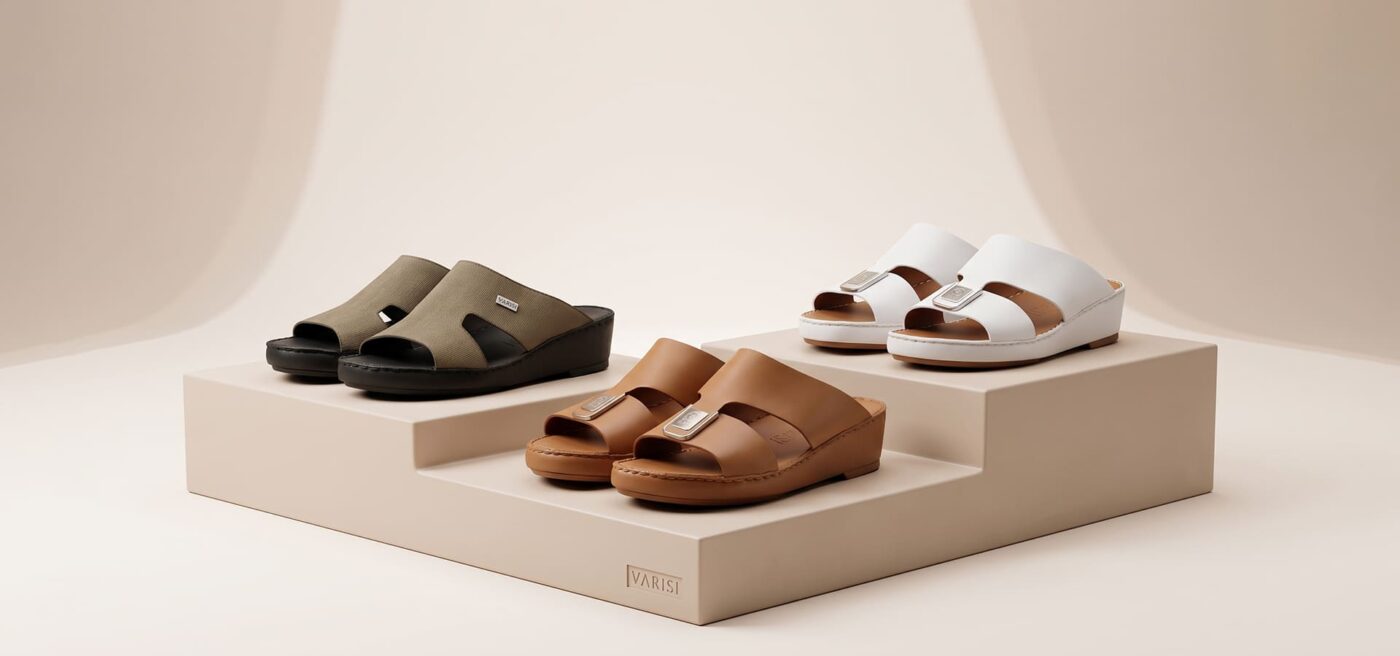
A shopkeeper in an old leather market once picked up two nearly identical sandals, handed them to us, and asked which one we'd wear for six months straight. The answer was obvious within seconds, not because of price tags or branding, but because of how each pair felt, bent, and smelled. That moment sums up everything worth knowing about men's Arabic footwear: authenticity reveals itself fast once you know where to look. At Varisi, this kind of hands-on evaluation happens constantly. We work closely with artisans who still shape leather the traditional way, and that exposure has taught us exactly which details separate genuine work from a convincing copy. This guide breaks those details down clearly, so the next time you're shopping, you won't need anyone else's opinion to know what you're holding. Why Genuine Men's Arabic Footwear Is Getting Harder to Find The rise in demand for men's Arabic footwear has attracted manufacturers more interested in speed than tradition. Factories now produce sandals that mimic traditional silhouettes using layered synthetics instead of tanned hide. From a few feet away, they look convincing. Up close, and especially after a few weeks of wear, the differences become obvious through cracking, peeling, or a stiffness that never softens. This shift matters because most buyers aren't purchasing men's Arabic footwear as a one-time novelty. These are daily-wear pieces, used for prayer, errands, and long hours on hot pavement. A pair that fails after a short time doesn't just waste money, it defeats the entire purpose of choosing traditional footwear in the first place. The Problem With Today's Footwear Market Search for men's Arabic footwear online and you'll get flooded with options, many of them factory-made pieces dressed up to look traditional. The shape is copied perfectly. The materials are not. These pairs often use bonded synthetic layers pressed to resemble leather grain, and while they photograph well, they rarely survive more than a season of regular wear. This matters because traditional sandals and slippers aren't just a fashion choice for most buyers. They're worn daily, often for prayer, travel, and long hours on hard flooring. A pair that looks right but performs poorly ends up costing more in the long run than a slightly pricier, genuinely made pair would have. How to Identify Authentic Men's Arabic Footwear in Under a Minute You don't need to be a leather expert to catch a fake. A few physical checks, done in sequence, tell you almost everything. Start With the Scent Real leather carries a natural, slightly earthy smell that develops during the tanning process. Synthetic uppers, on the other hand, often carry a faint chemical or plastic odor, even when manufacturers try to mask it with fragrance sprays. Bringing the shoe close and smelling it before anything else is the fastest filter available. Test the Flex Point Bend the footwear gently at the ball of the foot. Genuine leather flexes with a soft, organic give and holds a slight crease afterward. Synthetic alternatives tend to either resist bending stiffly or snap back too quickly, since they lack the fibrous structure real hide has. Examine the Underside of the Sole A hand-cut leather sole shows small natural variations, slightly uneven edges, and subtle color shifts from the tanning process. A perfectly smooth, uniform underside with no texture at all is usually a sign of a molded synthetic base rather than real material. What Makes Men's Arabic Footwear Feel Different on the Foot Beyond visual checks, comfort itself tells a story. Genuine men's Arabic footwear molds slightly to the shape of your foot within the first few wears, something synthetic materials rarely do. This happens because natural leather fibers respond to heat and pressure over time, gradually softening in the areas where your foot presses hardest. Synthetic soles, by contrast, tend to stay rigid indefinitely or break down unevenly, creating pressure points that cause discomfort during long wear. If a pair still feels exactly the same after weeks of regular use, showing no adaptation at all, that consistency is often a red flag rather than a good sign. Luxury Arabic Sandals vs. Standard Men's Arabic Footwear Not every authentic pair sits at the same tier. Within genuine men's Arabic footwear, there's a clear separation between everyday sandals and luxury Arabic sandals, and the gap comes down to sourcing and construction method rather than appearance alone. Luxury Arabic sandals are typically cut from a single continuous section of full-grain hide, which keeps the leather's fiber structure intact across the entire strap. This makes the material more resistant to stretching or tearing at stress points. Standard pairs often piece together smaller sections of leather, which works fine initially but tends to wear unevenly at the seams over months of use. A few features that typically separate the two tiers: Leather cut: Single-piece construction versus multiple joined sections Finishing rounds: Multiple oiling and buffing passes versus a single quick finish Edge treatment: Hand-burnished edges versus raw or machine-sealed edges Hardware quality: Solid metal buckles versus lightweight plated alternatives What Makes Mens Arabic Slippers Different to Evaluate Slippers get judged by different standards than open sandals, mostly because they're worn indoors for longer stretches. When shopping for mens Arabic slippers, a few extra details are worth checking beyond the five core tests above. Insole flexibility: Quality slippers use a softer, more pliable insole that shapes to your foot rather than staying rigid. Seam placement: Well-made slippers position seams away from pressure points like the ball of the foot, reducing rubbing over long wear. Heel structure: A slight reinforcement at the heel prevents the material from collapsing inward after repeated use, something cheaper slippers often lack entirely. Because slippers are worn barefoot far more often than sandals, material quality has a bigger direct impact on comfort. A pair that fails the leather checks above will almost always feel worse against bare skin within weeks. Shopping for Arabic Sandals in Qatar: A Local Perspective Buyers looking for Arabic sandals in Qatar face a particular challenge: the market includes everything from artisan-made pairs to bulk imports sitting on the very same shelf. Price alone won't tell you which is which, since some imports are marked up to imitate premium pricing. A few practical steps make shopping easier: Request to see the leather's underside before buying, since sellers confident in their product rarely hesitate. Test two or three pairs from the same rack, since quality control can vary even within a single batch. Ask how long the sandals have been in stock, since older synthetic stock tends to develop a stronger chemical smell over time, making the smell test even easier. Buying men's Arabic footwear locally gives you a hands-on advantage that online shopping can't fully replace, so use it. If you're ordering online instead, insist on close, unedited photos of the sole edge and stitching before committing. Simple Maintenance That Protects Your Investment Even genuine leather needs upkeep, especially in hot, dry conditions where cracking happens fast without care. Wipe the leather down after each wear to remove salt and moisture from sweat. Condition the leather every couple of weeks using a natural oil-based product. Keep pairs out of direct sunlight when not in use, since prolonged heat exposure dries out the fibers. Let damp footwear air dry naturally rather than using direct heat sources, which can warp the shape. Skipping these steps is one of the most common reasons people assume a genuine pair was poor quality, when the real cause was simply neglect. Final Thoughts Telling real men's Arabic footwear from a convincing imitation isn't complicated once you know what to check. Smell, pressure response, sole texture, stitch depth, and how the material reacts to warmth will tell you almost everything in under a minute. Layer that knowledge with an understanding of what separates standard pairs from luxury Arabic sandals, and you'll shop with real confidence going forward. Whether you're after mens Arabic slippers for everyday comfort or searching specifically for Arabic sandals in Qatar, these same fundamentals hold true everywhere. At Varisi, every pair we offer is held to this exact standard, because genuine craftsmanship shouldn't be something customers have to guess about. Frequently Asked Questions What's the quickest way to check if men's Arabic footwear is genuine?Smell the leather first, then press your thumb into the upper. Real leather has an earthy scent and responds slowly to pressure, while synthetic material smells chemical and springs back instantly. Do luxury Arabic sandals actually last longer than regular ones?Generally, yes. They're usually cut from a single piece of full-grain leather rather than smaller offcuts, which makes them more resistant to tearing and uneven wear over time. What should I prioritize when buying mens Arabic slippers?Look for a flexible insole, seams placed away from pressure points, and slight heel reinforcement, since these details affect comfort more in slippers than in open sandals. Why is it harder to judge quality when shopping for Arabic sandals in Qatar?Because genuine and imported synthetic pairs are often sold side by side at similar price points, so visual inspection alone isn't enough. Checking the sole's underside and comparing multiple pairs helps. Ready to Feel the Difference Yourself? Reading about genuine craftsmanship only goes so far. The real test happens the moment leather meets your foot, and that's exactly the experience Varisi is built around. Every pair we offer goes through the same checks outlined in this guide before it ever reaches a customer, from the leather cut to the final stitch. If you're ready to stop guessing and start wearing footwear that's actually built the traditional way, explore the full collection at Varisi and feel the difference authentic craftsmanship makes from the very first step. Follow us on Instagram for the latest product updates, new arrivals, and exclusive offers.
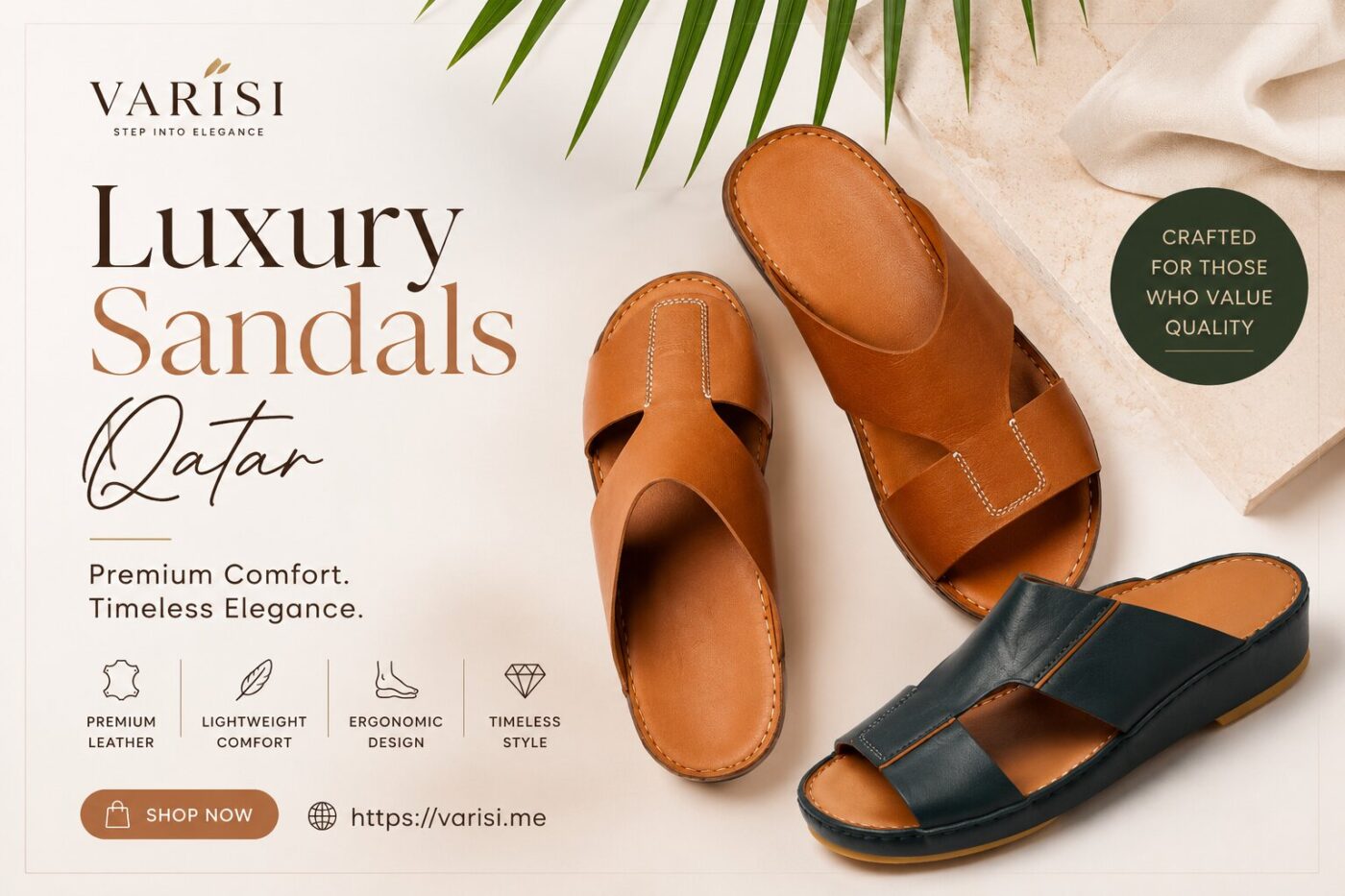
Luxury Sandals in Qatar

13 Hidden Gems: Luxury Sandals in Qatar That Redefine Men’s Style in 2026

When it comes to redefining men’s footwear in the Gulf, luxury sandals in Qatar have quietly become the style statement of 2026. From the souqs of Doha to the polished corridors of Lusail, discerning men are swapping stiff loafers for handcrafted, breathable, and unmistakably elegant sandals that blend heritage with modern design. If you’ve ever wondered how to elevate your summer wardrobe without sacrificing comfort or class, you’re in the right place. This guide uncovers 13 hidden gems—brands, boutiques, and bespoke experiences—that are setting the benchmark for luxury Arabic sandals this year. Why Luxury Sandals in Qatar Are the Ultimate Style Upgrade Gone are the days when sandals were relegated to beachwear or casual Fridays. In 2026, luxury sandals in Qatar represent a fusion of artisanal craftsmanship, premium materials, and contemporary aesthetics. Whether you’re attending a majlis, strolling through The Pearl, or heading to a rooftop dinner in West Bay, the right pair of Arabic sandals in Qatar can anchor your entire look with effortless sophistication. The shift is driven by a new generation of men who value comfort as much as couture. With temperatures soaring and dress codes evolving, luxury footwear brands have responded with designs that are both climate-appropriate and fashion-forward. Think supple calfskin, exotic leathers, and ergonomic soles—all finished with the kind of detail you’d expect from a tailored thobe. What Sets Genuine Arabic Sandals in Qatar Apart Before diving into specific picks, it's worth understanding what separates authentic craftsmanship from imitation. Arabic sandals in Qatar typically draw on decades-old leatherworking traditions from the Gulf region, blending them with modern lasts and soles designed for daily wear rather than occasional use. Materials That Matter Full-grain leather — ages well and develops a natural patina rather than peeling Stitched (not glued) soles — last considerably longer and can often be resoled Breathable linings — essential given Doha's summer humidity Reinforced heel counters — prevent the sandal from collapsing after a few months Craftsmanship Over Logos A common mistake buyers make is chasing brand names rather than construction quality. Genuine luxury Arabic sandals are usually made in small batches, with visible hand-finishing on the edges and straps. If a pair looks machine-perfect with no variation whatsoever, it's often mass-produced rather than artisan-made. 13 Hidden Gems Worth Seeking Out in 2026 Classic Leather Slide Sandals Still the backbone of any Qatari man's summer wardrobe. Look for a slightly padded footbed rather than a flat one — your feet will thank you after a full day of walking. Woven Leather Sandals A texture-forward option that pairs surprisingly well with smart-casual outfits. The woven construction also allows better airflow. Buckled Ankle-Strap Sandals These sit closer to a dress sandal and work well for evening gatherings, majlis visits, or dinners where flip-flops simply won't do. Minimalist Two-Strap Sandals Clean, understated, and versatile enough to go from office-casual Fridays to weekend brunches. Suede-Finish Sandals Less common in the Gulf but growing in popularity for cooler evening wear during Qatar's winter months. Contrast-Stitch Leather Sandals A subtle detail that adds character without shouting for attention — a favourite among men who prefer understated luxury. Cushioned Orthotic Sandals Not just a comfort feature; proper arch support genuinely matters for men who spend long hours on their feet in retail, hospitality, or fieldwork. Traditional Gulf-Style Toe-Loop Sandals A modern take on a regional classic, these connect the past to present-day tailoring trends. Monochrome Leather Sandals Single-tone leather in black, tan, or oxblood remains a safe yet elegant choice for most wardrobes. Double-Buckle Structured Sandals Slightly bulkier in profile, these suit men who want a sandal with a bit more visual weight. Hand-Tooled Leather Sandals Featuring subtle embossed patterns, these are among the more distinctive luxury Arabic sandals available locally, often produced in limited numbers. Lightweight Travel Sandals Designed for men who move between Doha, regional trips, and international travel without wanting to pack multiple pairs of shoes. Custom-Fit Leather Sandals Increasingly available through boutique makers, including Varisi, these are built around your actual foot measurements rather than standard sizing — arguably the closest thing to true luxury in footwear. What to Look for When Buying Luxury Sandals in Qatar Not all sandals are created equal. To ensure you’re investing in true luxury sandals in Qatar, consider the following: Leather Quality: Opt for full-grain calfskin, deer, or exotic leathers like ostrich and python. Craftsmanship: Hand-stitched soles and burnished edges indicate superior construction. Comfort Features: Look for ergonomic footbeds, arch support, and breathable linings. Design Versatility: Choose styles that transition seamlessly from casual to formal settings. Brand Heritage: Established names like Caretti and Varisi often guarantee consistency and aftercare support. How to Style Luxury Arabic Sandals in 2026 The beauty of luxury Arabic sandals lies in their versatility. Here’s how to wear them with confidence: With a Thobe: Pair black or tan sandals with a crisp white or navy thobe for a classic, polished look. With Linen Trousers: For a contemporary twist, wear neutral-toned sandals with tailored linen pants and a relaxed shirt. At Evening Events: Choose embossed or exotic leather styles to add texture and depth to your outfit. Casual Fridays: Slide into minimalist designs with chinos and a polo for effortless weekend style. Ready to Elevate Your Footwear Game? If you’ve made it this far, you already know that luxury sandals in Qatar are no longer just a seasonal trend—they’re a wardrobe essential for the modern gentleman. But knowing where to start can feel overwhelming with so many options available. That’s where Varisi steps in. With a focus on timeless design, superior comfort, and handpicked materials, Varisi offers a curated range of luxury Arabic sandals that seamlessly blend tradition with contemporary flair. Whether you’re building a capsule collection or searching for that one perfect pair to complement your favourite thobe, Varisi’s 2026 line delivers unmatched quality and style. Each sandal is crafted with precision, ensuring that every step you take feels as refined as it looks. From boardroom meetings to evening majlis gatherings, these sandals are designed to transition effortlessly across occasions. Why Wait? Discover Your Perfect Pair Today The world of Arabic sandals in Qatar is evolving, and 2026 is the year to invest in footwear that reflects both your heritage and your forward-thinking style. With brands like Varisi leading the charge, you no longer have to choose between comfort and elegance—you can have both. Their latest collections feature breathable linings, ergonomic soles, and leather sourced from the finest tanneries, ensuring durability without compromising on aesthetics. What’s more, Varisi offers a personalised shopping experience, whether you visit their boutique or explore their online store. From classic black calfskin to limited-edition embossed designs, there’s a pair tailored to your taste. And with Qatar’s climate in mind, every sandal is engineered for all-day wear, making them ideal for everything from summer strolls along the Corniche to formal events in Lusail. Take the Next Step Towards Timeless Style Don’t let another season pass in ordinary footwear. Explore Varisi’s exclusive range of luxury sandals in Qatar and experience the difference that true craftsmanship makes. Visit varisi.me today to browse the latest arrivals, book a private fitting, or learn more about their bespoke options. Whether you’re a long-time aficionado of luxury Arabic sandals or new to the world of elevated footwear, Varisi promises a journey into refined style that’s uniquely yours. Your perfect pair is just a click away. FAQs What makes sandals "luxury" rather than just expensive? Genuine luxury sandals combine full-grain leather, proper stitched construction, and comfort engineering — not just a high price tag or branding. Are Arabic sandals in Qatar suitable for formal occasions? Certain styles, particularly buckled or hand-tooled leather sandals, work well for semi-formal gatherings when paired with tailored clothing. How long should a good pair of leather sandals last? With proper care, well-made leather sandals typically last two to four years, sometimes longer if resoled. Is it worth buying custom-fit sandals in Qatar? For men with wider feet or specific comfort needs, custom-fit options offer noticeably better long-term comfort than standard sizing. Follow us on Instagram for the latest product updates, new arrivals, and exclusive offers.
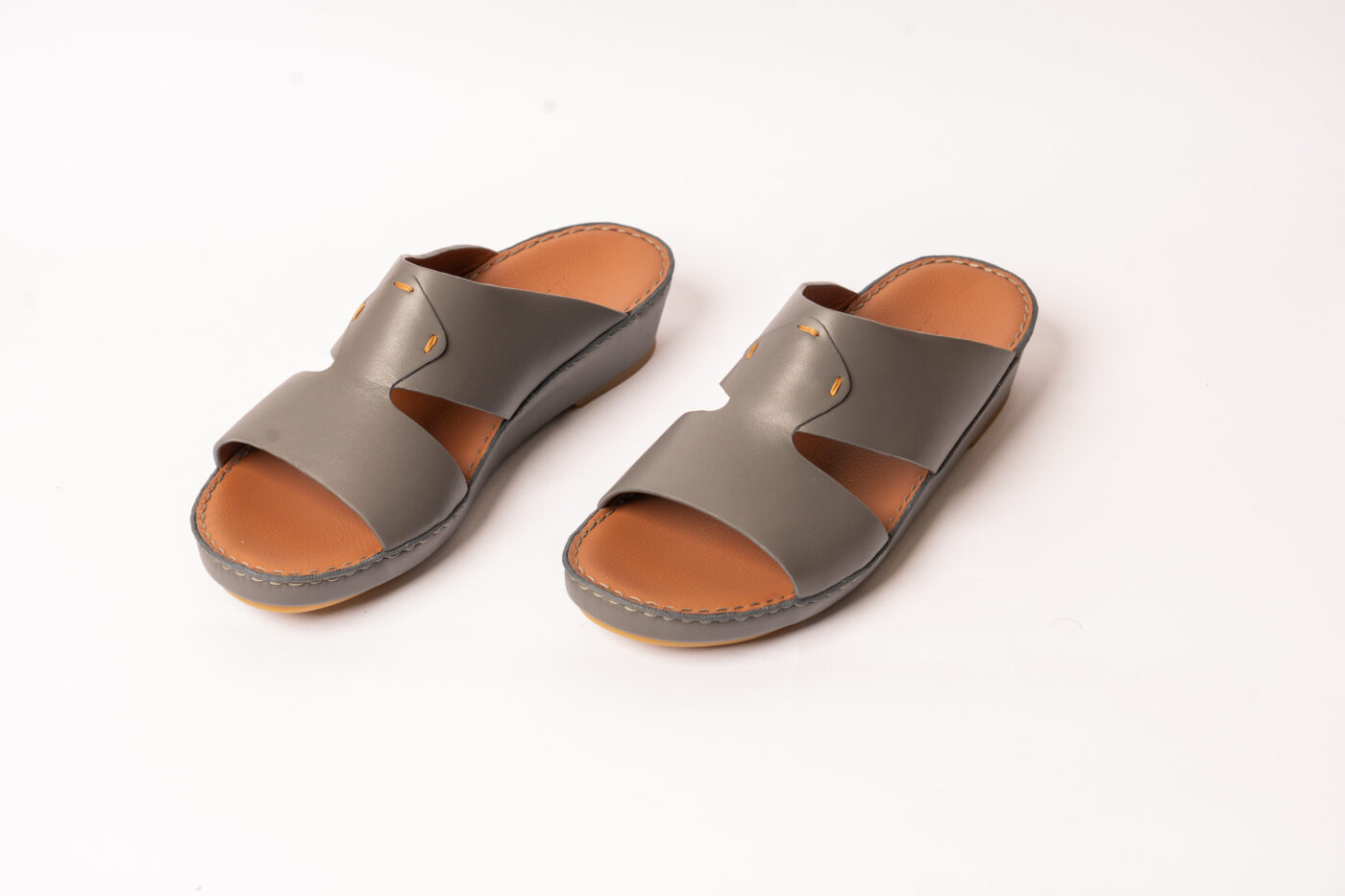
Men’s Arabic Footwear

From Heritage to Everyday Wear: The New Identity of Men’s Arabic Footwear

A decade ago, if you asked someone to picture men's Arabic footwear, they would likely describe something worn at family gatherings, during prayer, or on Eid morning, then put away again until the next occasion. That picture no longer holds. Step into any coffee shop in Doha, Muscat, or Riyadh today and you will find sandals of this kind worn with everything from linen shirts to tailored trousers, on a completely ordinary Tuesday afternoon. Something has genuinely changed in how this footwear is understood, and Varisi has been paying close attention to exactly how that shift unfolded. The Modern Meaning of Men's Arabic Footwear What used to signal where a man came from now says something about how he chooses to live. Men's Arabic footwear has quietly taken on a second layer of meaning, sitting alongside its cultural roots rather than replacing them. It still nods to region and heritage, but it now also speaks to someone who values comfort, honest materials, and a slower approach to buying clothes and footwear in general. This shift has not diluted the tradition. If anything, it has given it a wider audience. Men who never grew up wearing sandals of this kind, whether through distance from the region or simply changing habits within their own families, are discovering them for entirely practical reasons and staying for the craftsmanship once they understand what went into making them. The Workshop Before the Wardrobe Before men's Arabic footwear became a daily habit, it started as a workshop skill passed from one pair of hands to the next. In small leather workshops across the Gulf and the Levant, cobblers learned to read hide before they ever picked up a knife. A poorly cured skin would crack within weeks; a well-cured one could last a decade. That knowledge rarely made it into books. It was taught by watching, repeating, and failing until the cuts became second nature. The shapes themselves were never arbitrary. A wide toe box gave the foot room to breathe in extreme heat. A low, flat sole kept the wearer grounded on sand and stone alike. Straps were positioned to avoid pressure points during long walks between prayer times. None of this was decorative thinking. It was footwear engineered by necessity, long before "functional design" became a marketing phrase. Why Younger Buyers Changed Their Minds Ask most men under forty why they now wear sandals of this style daily, and the answer rarely involves tradition first. It usually starts with comfort. The Trainers Fatigue Years of wearing trainers in 40-degree heat left a lot of men with sweaty feet, poor ventilation, and shoes that broke down within a single summer. Switching to open leather sandals solved a problem that synthetic footwear was never built to handle in this climate. Social Proof Through Travel As Gulf residents travelled more and saw how international menswear circles were referencing similar silhouettes, wearing mens Arabic sandals outside the home stopped feeling old-fashioned. It started feeling, quite simply, like good sense. A Shift Away from Disposable Fashion There has also been a quieter change in mindset. Buyers grew tired of replacing cheap shoes every few months. A well-made pair of Arabic leather sandals, by contrast, tends to improve with age rather than fall apart. How to Recognise Genuine Men's Arabic Footwear Before You Buy Not every sandal sold under this name deserves the description. Telling a genuine pair from an imitation takes a closer look than most buyers are used to giving their footwear. Press your thumb into the leather. Genuine hide gives slightly and returns to shape; cheap coated material stays stiff or feels tacky. Check the underside of the strap where it meets the sole. Hand-stitched joins are usually uneven in a way that machine work never is, and that unevenness is a good sign, not a flaw. Smell the leather. A faint, natural leather scent suggests proper tanning; a strong chemical smell often means synthetic backing. Flex the sole in your hands. It should bend with some resistance, not fold flatly like cardboard or refuse to move at all. Buyers who check these details before purchasing tend to walk away with sandals that last years rather than a single season, which is really the whole point of choosing men's Arabic footwear over a mass-produced alternative in the first place. The Doha Effect: How Qatar Changed the Conversation Around Men's Arabic Footwear Few markets illustrate this shift as clearly as Qatar. Arabic sandals in Qatar were once sold mainly in traditional souqs, aimed at an older, more conservative customer base. Over the past several years, that has changed considerably. Retailers in Doha now stock these sandals alongside contemporary menswear, not tucked away in a separate cultural section. Younger buyers walk in expecting proper sizing charts, clear material information, and finishes that suit a modern wardrobe rather than a strictly ceremonial one. This demand pushed makers, including Varisi, to raise their own standards around consistency, fit, and long-term durability, because a customer buying sandals for daily wear expects a very different level of performance than someone buying a single pair for a wedding. The result is a market where heritage and modern retail expectations now sit comfortably side by side, rather than pulling in opposite directions. What "Luxury" Actually Means in This Context The term luxury Arabic sandals gets used loosely, often attached to anything with a higher price tag. A more honest definition focuses on what actually goes into the product rather than what it costs. Material Honesty A genuinely premium pair uses full-grain leather throughout, including the insole, rather than a good-looking exterior layered over a cheaper synthetic core. Visible Craftsmanship Hand-burnished edges, reinforced stitch lines at pressure points, and symmetrical strap placement are small details, but they separate a well-made pair from one that simply photographs well. Repairability A sandal built to last should also be a sandal built to be repaired. Resoling and restitching should be realistic options, not something the design quietly prevents. This is the standard Varisi holds itself to, because calling something luxury without the craftsmanship to back it up does a disservice to a tradition that never needed exaggeration to justify its value. Choosing Men's Arabic Footwear for Life, Not Just an Occasion If you are buying your first proper pair, a few practical steps will save you from disappointment later. Wear them indoors first. Walk around your home for an hour before taking them outside, to check for pressure points early.Buy true to size, not tight. Leather stretches slightly with wear, so a snug fit at purchase usually loosens into a comfortable one.Condition the leather every few months. A light leather balm keeps the material supple and prevents cracking in dry heat.Rotate two pairs if you wear them daily. Giving leather a day to rest between wears extends its lifespan considerably. Following these steps is a small effort that pays off across years rather than months, which is exactly why so many men have shifted from treating this footwear as occasional wear to relying on it every single day. Step Into Comfort: Discover Men's Arabic Footwear at Varisi Reading about good craftsmanship is one thing; feeling it on your own feet is another matter entirely. If your current footwear rotation still leaves your feet sweating through the afternoon or wearing thin after a few months, it may be time to try something built with more thought behind it. Varisi's collection is put together by people who care whether a strap sits right after ten hours of wear, not just how a pair looks in a photograph. Browse the range, find a fit that suits your daily routine, and see for yourself why so many men have already made the change. Conclusion The story of men's Arabic footwear is not one of reinvention for its own sake. It is a story of a practical, well-considered tradition finally being recognised for what it always offered: comfort suited to the climate, craftsmanship built to last, and a design language that never actually needed updating to stay relevant. Whether someone is choosing Arabic leather sandals for a hot commute, seeking out Arabic sandals in Qatar with proper sizing and finish, or investing in a genuinely luxury Arabic sandals pair meant to last for years, the appeal comes from the same place. At Varisi, that is the standard behind every pair leaving the workshop. Frequently Asked Questions Is men's Arabic footwear suitable for everyday use, or only special occasions? Well-constructed pairs are increasingly worn daily, particularly in hot climates where breathable, flat leather sandals outperform closed footwear. How can I tell if a pair of mens Arabic sandals is genuine leather? Check for a natural leather scent, slight give when pressed, and uneven hand-stitching at the strap joins, all signs of authentic material and construction. Why has demand for Arabic sandals in Qatar grown in recent years? Retailers have shifted from treating them as ceremonial items to stocking them as everyday menswear, matching a younger customer base that wants both tradition and daily practicality. What separates luxury Arabic sandals from a standard pair? Full-grain leather throughout, visible hand-finishing, and the ability to be resoled or repaired rather than discarded after light wear. How long should a good pair of Arabic leather sandals last? With proper care, including regular conditioning, a well-made pair can comfortably last several years before needing repair.
mens arabic slippers

Smart Ways to Choose Mens Arabic Slippers for Comfort, Quality, and Style

Choosing the right mens Arabic slippers is about more than finding a pair that matches your thobe. The best choice should feel easy to wear, look appropriate for the setting and stay reliable after repeated use. A good pair becomes part of your routine: ready for a prayer visit, a family event, an evening out or simply a smart everyday look. Arabic slippers have a distinctive appeal because they sit between formal footwear and casual comfort. They are practical, refined and rooted in regional style. Yet, the market offers many options, from basic slip-ons to finely finished leather designs. Knowing what separates a well-made pair from one that only looks good in a product photo can save you from an uncomfortable or short-lived purchase. This guide from Varisi explains how to assess mens Arabic slippers properly, with attention to fit, materials, sole construction and styling. What Makes One Pair of Mens Arabic Slippers Last Longer Than Another? The honest answer is rarely the price tag—it’s the materials underneath the surface. Two pairs of mens arabic slippers can look nearly identical from a metre away, yet one uses full-grain leather with reinforced stitching while the other relies on a thin synthetic coating over a cardboard-like base. The second pair might survive light, occasional wear, but daily use—walking, standing during prayer, and exposure to water—can wear it down quickly. A longer-lasting pair typically shares three traits: a natural leather upper that flexes rather than cracks, a sole that's stitched rather than only glued, and an insole shaped to support the foot rather than simply cushion it. Miss any one of these, and the slipper's lifespan drops significantly, regardless of how polished it looks in a shop window. Does Climate Actually Affect Which Mens Arabic Slippers You Should Buy? More than most people realise. In hot, humid climates, synthetic materials trap heat and moisture against the skin, which can lead to discomfort and odour over time. Genuine leather, by contrast, allows better airflow and handles heat more gracefully, provided it's properly finished — which is why climate should always factor into how you choose mens Arabic slippers. This is particularly relevant for anyone comparing luxury sandals in Qatar, where extreme summer temperatures test footwear far more aggressively than milder climates. A pair that performs well in cooler conditions might still fail quickly once exposed to consistent heat, which is why climate suitability deserves as much attention as style. Why Do Some Slippers Feel Uncomfortable Even Though They're New? This catches a lot of buyers off guard. A brand-new pair of mens arabic slippers should feel reasonably comfortable from the first wear—not painful or so restrictive that it requires weeks of “breaking in” before the rubbing or pinching stops. If a pair feels uncomfortable straight away, that’s rarely something that improves with time. More often, it signals a sizing mismatch, a rigid sole that hasn’t been designed to flex naturally with foot movement, or strap placement that sits awkwardly against the skin. The fix here is simple but often skipped: walk around in the slippers for a minute or two before buying, rather than just trying them on while standing still. Comfort under actual movement tells you far more than comfort while stationary. Think About When You Will Wear Them Before selecting a colour or finish, decide what role the slippers will play in your wardrobe. This makes the buying process far easier and prevents you from choosing a pair that looks beautiful but does not suit your day-to-day needs. A pair for formal celebrations may need a cleaner leather finish and a sleeker profile. A pair for regular use should be more forgiving, with a flexible sole and a fit that feels comfortable for several hours. If you are buying for travel, ease of removal and a stable sole may matter more than a highly polished appearance. Ask yourself a few simple questions before you shop: Will you wear the slippers mostly indoors, outdoors or both? Do you need them for daily use, special occasions or Friday prayers? Will you walk long distances while wearing them? Are you likely to wear them with traditional clothing, casual clothing or both? Do you prefer an open heel for convenience or more coverage around the foot? Is durability more important to you than a very lightweight feel? Your answers will narrow the choices quickly. Someone who spends most of the day moving between meetings, family homes and outdoor spaces will need something different from someone looking for an elegant pair to wear at formal gatherings. Everyday footwear needs a practical sole Many shoppers focus first on the leather upper, but the sole determines how useful the slipper is in real life. A thin sole may look graceful and traditional, but it may not give enough grip or protection when walking outdoors. For daily wear, look for a sole that feels stable without making the footwear appear heavy. A slightly cushioned base can reduce pressure on the heel when standing for long periods. A textured rubber sole can also help on smooth floors, tiled entrances and outdoor pavements. The aim is not to choose a trainer-like sole; it is to find a design that keeps the traditional silhouette while making every step more secure. When browsing mens Arabic slippers, examine the product image from the side as well as from underneath. This helps you judge whether the sole is suitable for the way you plan to wear it. Getting the Fit Right for Mens Arabic Slippers A slipper should feel relaxed, but it should not feel loose. The open design of many Arabic styles can make fit more important than shoppers expect. If the pair is too large, your foot may slide forward or lift at the heel while walking. If it is too tight across the upper, it can cause discomfort around the toes and instep. Do not select a size simply because it is the size you normally wear in trainers or formal shoes. Different footwear styles can fit differently, particularly when the front is narrow or the upper is structured. When considering fit, check these points: Your toes should not press against the front edge. The upper should sit smoothly across your foot without pinching. Your heel should not move excessively as you walk. There should be enough width for your foot to rest naturally. The slipper should not feel difficult to put on or remove. The edges should not rub against your toes or the side of your foot. If you have a wider foot, avoid choosing a pointed design purely for appearance. A wider toe shape can still look elegant while giving your foot the room it needs. Comfort is not a compromise in quality footwear; it is one of the clearest signs that you have chosen well. Open-back versus closed-back designs Open-back styles are valued for their convenience. They are easy to put on, easy to remove and ideal for moments when you want effortless footwear. They suit home use, social calls, religious visits and warm weather particularly well. A closed-back or more structured style gives additional hold around the heel. This can be useful if you walk frequently, travel often or prefer footwear that feels more secure. It may also create a more formal look when paired with tailored traditional clothing. Neither option is automatically superior. The most suitable choice is the one that matches your habits. If convenience is your priority, an open-back style can be ideal. If support and stability matter more, a covered heel may be the better investment. Learn How to Judge Quality The material should suit your routine The outer material affects the slipper’s look, comfort and maintenance needs. Leather is a classic choice because it can develop character with wear and often gives a neat, premium finish. Smooth leather tends to look formal and versatile, while textured leather can hide minor marks better and add a little depth to a simple outfit. For shoppers searching for Arabic slippers for men, it is worth considering whether the material will work with their lifestyle. A polished finish may suit occasional evening wear, but it can show scuffs more easily. A matte or grained leather may feel more practical for regular use. Soft suede-style materials offer a relaxed appearance, although they require more care in dusty or wet conditions. Do not judge quality from the word “leather” alone. Read the available product details and look for information on the lining, sole and care requirements. Clear descriptions help you make an informed choice and show respect for the customer’s decision. Inspect the finishing details Good craftsmanship is often visible in quiet details. You do not need specialist knowledge to assess whether a pair has been made carefully. Look at the stitching around the upper, the finish of the edges and the connection between the sole and the body of the slipper. A stronger-quality pair will usually have: Neat stitching with no loose threads Even colour across the upper Smooth edges around the opening A sole that sits firmly against the upper A toe shape that holds its form A clean interior without rough seams These details matter because Arabic slippers are often worn in settings where the overall presentation counts. A well-finished pair looks considered even when the rest of the outfit is simple. For anyone comparing Arabic slippers men styles online, close-up photographs are useful. Zoom in on the toe, side profile and interior. These areas often reveal more than a full-length image. Build a Colour Collection Slowly You do not need several pairs at once. Begin with one versatile colour, then add more options as your wardrobe grows. Black and dark brown are dependable starting points because they work well for formal occasions and can be worn with a wide range of garments. Tan, camel and medium brown create a warmer, more relaxed feel. They pair particularly well with white, cream, beige and light-coloured traditional clothing. Navy and deep burgundy can add character without looking overly bold, making them useful choices for events or evening wear. If you are exploring luxury sandals in Qatar, avoid choosing a colour only because it is popular at the moment. A classic shade that works with your existing clothes will give you more value over time than a trend-led option you wear only once or twice. Style Mens Arabic Slippers with Confidence Mens Arabic slippers work best when they feel intentional rather than added at the last minute. With a kandura or thobe, choose footwear that supports the formality of the outfit. Smooth leather in black or deep brown usually gives a sharp, composed appearance. For daytime wear, a lighter brown or soft neutral shade can make the look feel more relaxed. They can also be worn with modern clothing when the outfit remains clean and balanced. Neutral trousers, a linen shirt, a simple kurta or a tailored overshirt can all work with a refined pair of slippers. Keep the colours complementary and avoid overly athletic pieces, as the contrast can feel disconnected. A few easy styling principles can help: Match polished footwear with neater, more formal clothing. Use textured leather to add interest to a plain outfit. Pair light-coloured slippers with soft, neutral clothing tones. Choose darker slippers when you want the footwear to look more formal. Let the slipper complement the outfit rather than compete with it. The beauty of mens Arabic slippers is that they can look understated while still making a strong impression. A clean shape, good material and proper fit often say more than excessive decoration. How Long Should a Well-Made Pair of Mens Arabic Slippers Realistically Last? With reasonable care, a properly constructed leather pair of mens Arabic slippers typically holds up well beyond a year of regular daily use. Lower-quality alternatives, particularly synthetic versions, often need replacing within just a few months in warmer climates. If you find yourself repeatedly buying new mens Arabic slippers within short intervals, the issue is almost always tied to material and construction quality, not how carefully you're wearing them. Care Makes a Difference Good craftsmanship is often visible in quiet details. You do not need specialist knowledge to assess whether a pair of mens Arabic slippers has been made carefully. Look at the stitching around the upper, the finish of the edges and the connection between the sole and the body of the slipper. Wipe smooth leather with a clean, soft cloth after use. Avoid leaving footwear in direct sunlight or near strong heat, as this can dry out the material. If the slippers become damp, allow them to air dry naturally rather than placing them near a heater. For suede or nubuck finishes, use an appropriate brush and keep them away from heavy moisture. When storing them, place the pair somewhere dry and clean. A dust bag or shoe box can help prevent unnecessary marks. These small habits are especially worthwhile when investing in luxury sandals in Qatar, where premium materials deserve proper attention. Frequently Asked Questions Can Arabic slippers be worn outdoors, or are they strictly indoor footwear? Many pairs are versatile enough for both, but outdoor use calls for a slightly firmer sole with better grip, while thinner, softer soles are better suited to indoor and prayer use only. What's the difference between men's and women's Arabic slippers in terms of construction? Men's designs typically use thicker leather and a broader, more structured sole, while women's versions often favour lighter materials and narrower silhouettes — but both should follow the same stitching and quality standards. Do Arabic slippers run true to standard shoe sizes? Not always. Sizing can vary noticeably between brands, so it's worth checking a size guide or trying both slippers on rather than assuming your usual shoe size will fit. Why do some leather slippers darken or change colour over time? This is a normal process called patina, caused by natural oils, sunlight, and everyday handling — it's a sign of genuine leather ageing naturally, not a defect. Can Varisi slippers be repaired if the sole wears down? In most cases, yes — since Varisi uses stitched sole construction rather than glue-only bonding, a worn sole can often be reattached or resoled instead of replacing the entire pair. Choose a Pair You Will Reach For Often The right mens Arabic slippers should feel natural from the moment you wear them. They should match your lifestyle, suit your clothing and provide the comfort needed for your typical day. Instead of choosing only by appearance, consider the fit, sole, material, finishing and the occasions you have in mind. At Varisi, take time to compare styles with purpose. Choose a pair that reflects your personal taste, but make sure it also supports the way you live. When comfort, quality and style work together, your slippers become more than footwear—they become a dependable part of your everyday wardrobe. Ready to find yours? Explore Varisi's collection and see the difference proper craftsmanship makes. Follow us on Instagram for the latest product updates, new arrivals, and exclusive offers.
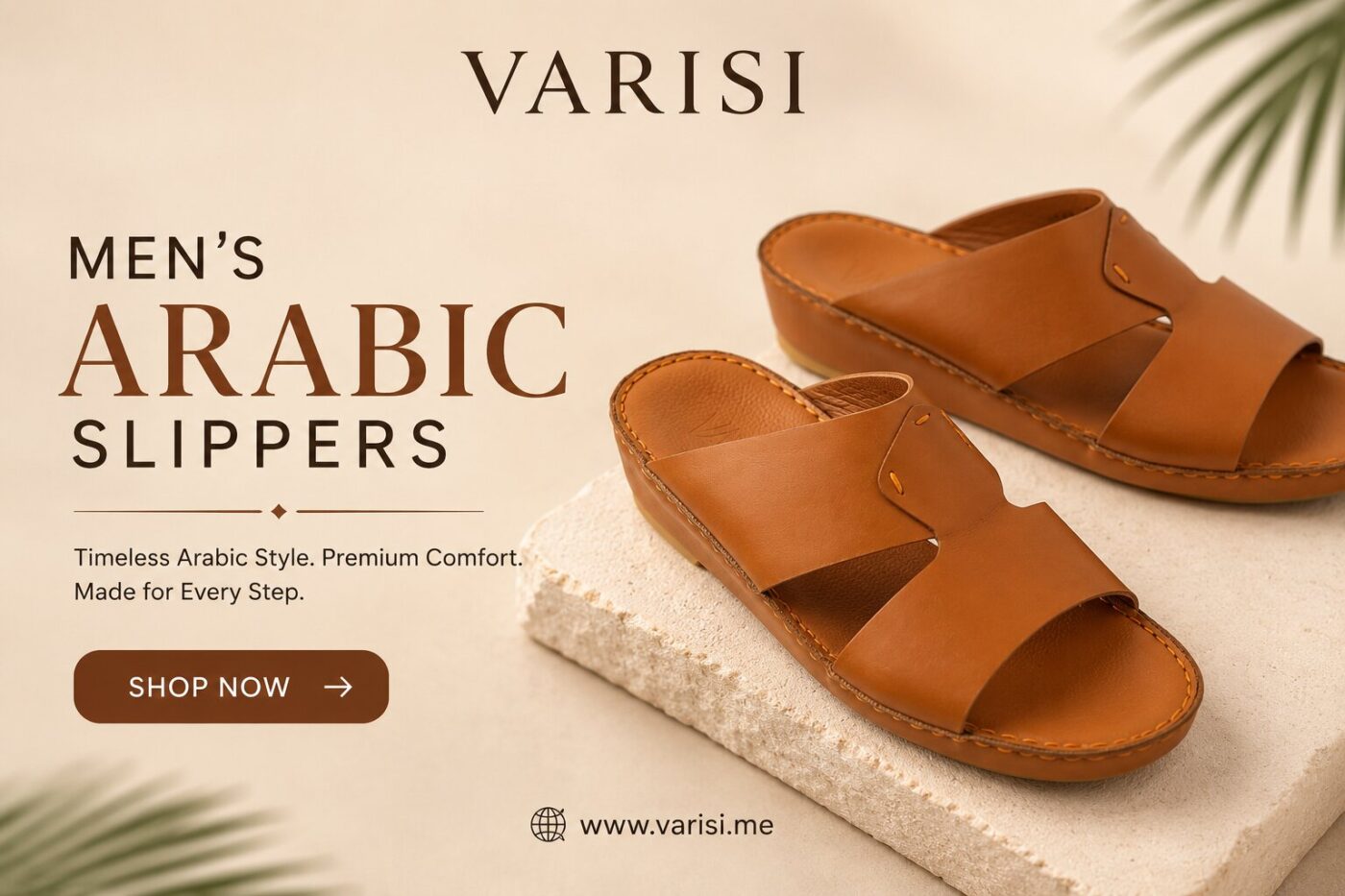
Boys arabic sandals Qatar

Little Feet, Timeless Style: The Ultimate Guide to Boys Arabic Sandals in Qatar

When it comes to dressing young boys in traditional Gulf style, nothing completes the look quite like a well-made pair of Boys Arabic sandals in Qatar. Whether it's for Eid, a family wedding, daily wear, or simply matching Baba's own pair of Arabic sandals for men, Arabic sandals are a staple in every Qatari household's footwear collection. In this guide, we cover everything parents need to know before buying — styles, materials, sizing, comfort, and care — so you can make the best choice for your little one. Why Boys Arabic Sandals Are a Wardrobe Essential in Qatar Arabic sandals are more than just footwear — they are a symbol of tradition and identity in the Gulf region. For boys, wearing a well-fitted pair of Arabic sandals from a young age instills a sense of cultural pride while offering practical benefits suited to Qatar's warm climate: Breathability: Open-toe and slip-on designs keep little feet cool in Qatar's hot weather. Comfort for active kids: Lightweight soles allow boys to run, play, and move freely. Easy to wear: No laces or buckles to fumble with, making them perfect for young children who are just learning to dress themselves. Occasion-ready: From everyday errands to Eid prayers and family gatherings, they suit both casual and formal settings. Popular Styles of Boys Arabic Sandals When shopping for boys' Arabic sandals in Qatar, you'll typically come across a few popular styles: Classic Nappa Leather Sandals Soft nappa leather is one of the most popular choices for boys' sandals because it is gentle on young skin while still being durable. These sandals often come in rich colors like black and dark green, offering a timeless, traditional look that pairs well with both thobes and casual outfits. Calf Leather Sandals Slightly firmer than nappa, calf leather sandals are known for their durability and structured shape. They tend to hold up well to daily wear and are a great option for boys who are always on the move. Matching Father-Son Sandals Many parents in Qatar prefer to buy matching sandals for fathers and sons — a growing trend, especially during Eid and wedding season. Pairing a boy's sandals with a similar style of men's Arabic footwear creates a coordinated, traditional look for family photos and gatherings. How to Choose the Right Size Getting the correct fit is one of the most important parts of buying sandals for boys, since children's feet grow quickly and comfort is essential: Measure both feet: Children's feet can differ slightly in size — always measure both and size for the larger foot. Leave a little room: Unlike adult sandals, boys' sandals should have a small amount of extra space (around 0.5 cm) to accommodate growth, but not so much that the foot slides while walking. Check the strap fit: The strap or upper should sit snugly across the foot without pinching, and the heel should not slip out when walking. Re-measure every few months: Since children's feet grow fast, it's a good idea to check sizing every 3–4 months, especially for younger boys. If you're unsure about sizing, always refer to a proper sizing guide before ordering, and when possible, have your child try sandals on in person. Choosing the Right Material The material of the sandal affects both comfort and durability: Genuine leather is generally recommended over synthetic materials for boys' sandals in Qatar's climate, as it breathes better and is less likely to cause skin irritation or odor in the heat. In fact, the same qualities that make Arabic leather sandals ideal for grown men — durability, breathability, and a refined look — make them just as suitable for boys, only sized down for smaller feet. Caring for Boys Arabic Sandals Since children are naturally rougher on their footwear, proper care will help the sandals last longer: Wipe clean regularly: Use a soft, slightly damp cloth to remove dust and dirt after outdoor play. Condition the leather: Apply a light leather conditioner every few weeks to keep the material soft and prevent cracking. Avoid prolonged water exposure: While leather sandals can handle occasional splashes, soaking them should be avoided as it can weaken the material. Store properly: Keep sandals in a cool, dry place away from direct sunlight to prevent the leather from drying out or fading. Rotate pairs if possible: Having two pairs allows each pair to air out between wears, extending their lifespan. When to Buy: Occasions for Boys Arabic Sandals Eid al-Fitr and Eid al-Adha: A new pair of Arabic sandals is a traditional part of Eid outfits for boys across Qatar. Weddings and family functions: Formal gatherings often call for a polished pair to match traditional attire. School holidays and daily wear: Comfortable, durable sandals for everyday activities. Ramadan: Many families buy new sandals ahead of Ramadan for prayers and evening gatherings. Why Buy Boys Arabic Sandals Online in Qatar Shopping for boys' sandals online has become increasingly popular among Qatari families, and for good reason: Wider selection: Online stores typically showcase a broader range of colors, sizes, and styles than a single physical shop. Convenient sizing charts: Most stores provide detailed sizing guides so you can measure your child's foot at home before ordering. Doorstep delivery: With hassle-free delivery across Qatar, you can shop from home without dragging a restless toddler through a mall. Easy comparisons: You can quickly compare nappa vs. calf leather, colors, and price points side by side before deciding. That said, if your child has never worn a particular brand's sandals before, it's worth checking the return policy in case the fit needs adjusting. Boys Arabic Sandals vs. International Brands Parents in Qatar often ask whether locally crafted Arabic sandals are a better choice than mainstream international kids' footwear brands. Here's how they typically compare: For families who value tradition alongside comfort, genuine Arabic leather sandals remain the preferred choice for boys, especially during religious and cultural occasions. A Quick Buying Checklist for Parents Before you check out, run through this quick checklist to make sure you're picking the right pair: Is the leather genuine and breathable? Does the strap sit snugly without pinching? Is there a small amount of extra room for growth? Does the color/style match the occasion (daily wear vs. Eid/wedding)? Have you checked the sizing guide or measured your child's foot recently? Does the store offer easy returns in case the size needs adjusting? The Craftsmanship Behind Varisi Boys Sandals At Varisi, every pair of boys' sandals is made with the same attention to detail as our men's collection. We use genuine nappa and calf leather, carefully cut and stitched to hold up to a child's active lifestyle while staying gentle on young, sensitive skin. Each sole is designed for flexibility, so boys can walk, run, and play comfortably without the stiffness often found in mass-produced footwear. This focus on quality materials and craftsmanship is what allows a pair of Arabic sandals to be worn season after season, even as your child grows. How to Style Boys Arabic Sandals Getting the styling right helps boys' Arabic sandals look just as sharp as they feel. A few simple tips: With a thobe or kandora: Keep it classic — black or dark green nappa leather sandals pair naturally with both white and colored thobes, and work for everything from daily wear to Friday prayers. For Eid and weddings: Choose a slightly richer leather tone, like calf leather in black or oyster, and match it with your son's formal thobe or bisht for a coordinated, festive look. Casual outfits: Arabic sandals aren't limited to traditional wear — they pair just as well with simple kanduras, cotton shirts, or shorts for everyday comfort with a cultural touch. Matching with Baba: For family occasions, picking a similar color or leather finish from our men's Arabic footwear range creates an easy, coordinated father-son look without needing identical styles. The key is keeping the sandals as the grounding piece — since the leather tone and craftsmanship already stand out, the rest of the outfit can stay simple and let the footwear do the talking. Frequently Asked Questions How often should I replace my son's Arabic sandals? Since children's feet grow quickly, most boys need a new pair every 6–12 months, or sooner if the current pair feels tight or shows signs of wear. Are leather sandals safe for daily school or outdoor wear? Yes — genuine leather sandals with a sturdy sole are suitable for daily wear, though for sports or heavy outdoor play, a dedicated athletic shoe is still recommended. Can I buy matching sandals for my son and myself? Absolutely. Many families in Qatar choose matching or complementary styles from the same collection of men's Arabic footwear and boys' sandals, especially for Eid and weddings. What's the difference between nappa and calf leather for boys? Nappa leather is softer and more flexible, ideal for sensitive young skin, while calf leather is firmer and more durable, better suited for boys who are hard on their shoes. Final Thoughts Choosing the right Boys Arabic sandals in Qatar comes down to balancing tradition, comfort, and durability. Quality leather, a proper fit, and regular care will ensure your son's sandals stay comfortable and stylish through every stage of growth. Whether you're shopping for Eid, a family wedding, or everyday wear, investing in a well-made pair makes all the difference — for both comfort and confidence. And if you're also updating Baba's wardrobe, browse our full range of Arabic sandals for men and men's Arabic footwear to complete the family's traditional look together. Explore our collection of boys' Arabic sandals, crafted from premium leather for lasting comfort and timeless style. Follow us on Instagram for the latest product updates, new arrivals, and exclusive offers.
white leather sandals for men

White Leather Sandals for Men That Make Casual Outfits Look Premium

There's a moment every man reaches in his wardrobe planning where trainers feel too casual, formal shoes feel too stiff, and nothing in between quite works. That's usually when white leather sandals for men earn their place. Not the beach-holiday kind with plastic straps, but the tailored, structured kind made from real leather that can carry an outfit from a family lunch to an evening out without missing a beat. I've spent a fair amount of time testing footwear across Doha's humid summers and cooler winter evenings, and sandals are one category where material quality shows almost immediately. Cheap synthetic straps crack within a season. Genuine leather, on the other hand, softens and moulds to the foot the longer you wear it. That difference is exactly why white leather sandals for men have become such a popular pick for anyone who wants comfort without giving up on looking put together. Why White Leather Sandals Work So Well for Casual Outfits White is not an easy colour to get right in footwear. It shows scuffs, it shows dirt, and cheap versions yellow quickly. But when it's done properly, in genuine leather with proper finishing, white sandals do something no other colour manages quite as well: they lift an outfit instantly. Pair them with: Linen trousers or shorts for a relaxed daytime look A plain white or pastel thobe for a clean, traditional finish Chino shorts and a polo shirt for weekend errands Tailored linen shirts for evening gatherings The contrast of crisp white leather against darker or neutral fabric gives an outfit structure without trying too hard. That's the appeal. It looks deliberate, not accidental. What Actually Makes a Pair of Leather Sandals "Premium" A lot of brands use the word premium loosely. In practice, there are a handful of things that genuinely separate a well-made sandal from an average one, and they're worth knowing before you buy. The Leather Itself Nappa leather is one of the softer, more supple leather types used in footwear. It's known for a smooth finish and for adapting to the shape of the foot over time rather than staying rigid. Sandals made from full-grain or Nappa leather tend to age better, developing a slight patina rather than cracking or peeling. Stitching and Construction Look closely at the seams. Precision stitching, even edges, and a clean finish around the straps usually indicate handcrafted construction rather than mass production. This detail matters more than it seems, since it's often the first thing to fail on lower-quality sandals. Comfort Underfoot A sole that's engineered for stability, along with a breathable leather lining, makes a noticeable difference on long days. Sandals that look good but pinch or slip after an hour aren't doing their job. Design Heritage Some of the most distinctive white leather sandals draw on Arabic leather sandals traditions, blending regional design cues with European craftsmanship. That combination tends to produce a shoe that feels culturally familiar while still looking modern. How to Choose the Right Pair Buying sandals online without trying them on first can feel like a gamble, so it helps to know what to check. Check the sizing chart carefully - Leather sandals often run slightly differently to trainers, so measure your foot in centimetres rather than guessing from your usual shoe size. Consider the strap structure - Wider straps tend to distribute pressure better for daily wear, while slimmer straps suit dressier occasions. Think about the sole material - A firmer sole gives better support on hard flooring or pavement, while a softer sole feels gentler indoors. Look at the leather finish - A matte or slightly textured white finish tends to hide light marks better than a high-gloss finish. If comfort, durability, and appearance all matter equally to you, genuine leather is worth the extra cost over synthetic alternatives, particularly in a climate where sandals get worn for months at a time rather than just a few weeks a year. Where Varisi Fits Into This This is where a brand like Varisi becomes relevant. Varisi's 1495 Nappa Leather White sandal is built exactly around the qualities discussed above: genuine Nappa leather, precision stitching, a breathable lining, and a sole designed for everyday stability. The design pulls from Arabic leather sandals heritage while keeping the construction rooted in Italian craftsmanship standards, which is a combination that's genuinely hard to find at this level of detail. For anyone browsing luxury sandals in Qatar, it's a practical example of what "premium casual" should actually look like, not overly formal, not overly relaxed, just well made. The white finish holds up to the kind of styling mentioned earlier, from thobes to linen trousers, without looking out of place in either setting. Why White Leather Sandals for Men Are a Smart Long-Term Investment Buying footwear is often treated as a seasonal decision, but genuine leather changes that equation. White leather sandals for men, when made from proper Nappa or full-grain leather, tend to outlast two or three pairs of synthetic sandals bought over the same period. The upfront cost is higher, but the leather ages gracefully, the stitching holds, and the sole doesn't wear out as quickly under regular use. For anyone who wears sandals for most of the year rather than just a few weeks of summer, that durability translates directly into better value, not just better looks. Frequently Asked Questions Are white leather sandals hard to keep clean? Not if they're genuine leather. A soft damp cloth and a leather conditioner every few weeks keep the white finish looking fresh without cracking. Can white leather sandals for men be worn with formal outfits? Yes, particularly with thobes or linen suits. A clean white leather finish reads as smart-casual rather than beach wear. Do leather sandals stretch over time? Genuine leather, especially Nappa, gradually softens and moulds to the shape of your foot with regular wear. Are they suitable for Qatar's climate? Leather sandals with a breathable lining are a practical choice for warm weather, offering more structure and durability than synthetic alternatives. Final Thoughts Good sandals aren't a small detail. They're often the first thing people notice when an outfit is otherwise simple, which is exactly why white leather sandals for men have earned their place as a wardrobe staple rather than a seasonal purchase. Choosing genuine leather, checking construction quality, and picking a design with some heritage behind it will always outlast a cheaper alternative. If you're ready to see the difference proper craftsmanship makes, the 1495 Nappa Leather White from Varisi is a solid place to start. It's the kind of pair that quietly does the job an entire outfit needs it to do. Follow us on Instagram for the latest product updates, new arrivals, and exclusive offers.
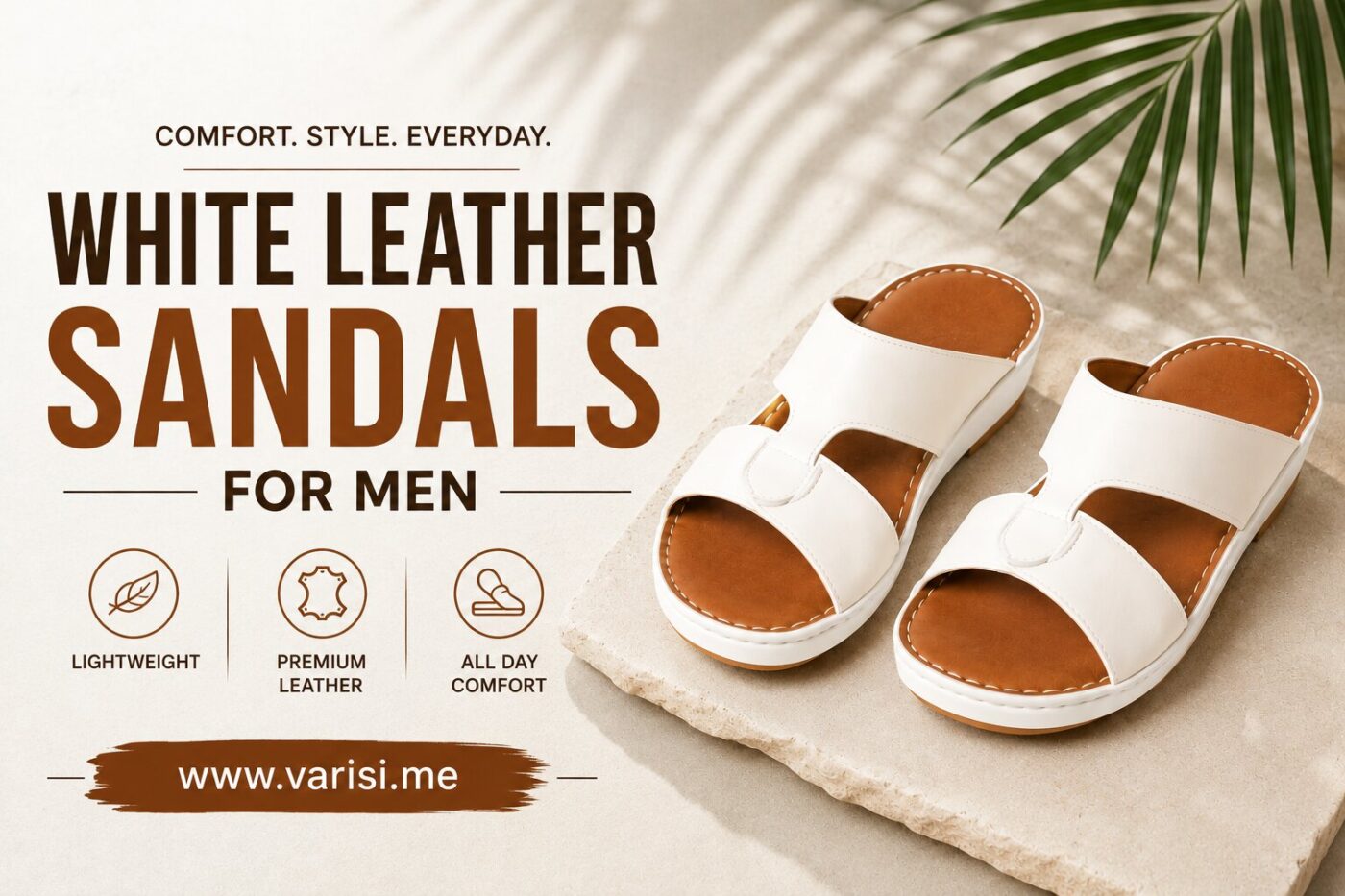
Back to Top
Product has been added to your cart