Close

Search

Men’s Arabic Footwear

From Heritage to Everyday Wear: The New Identity of Men’s Arabic Footwear

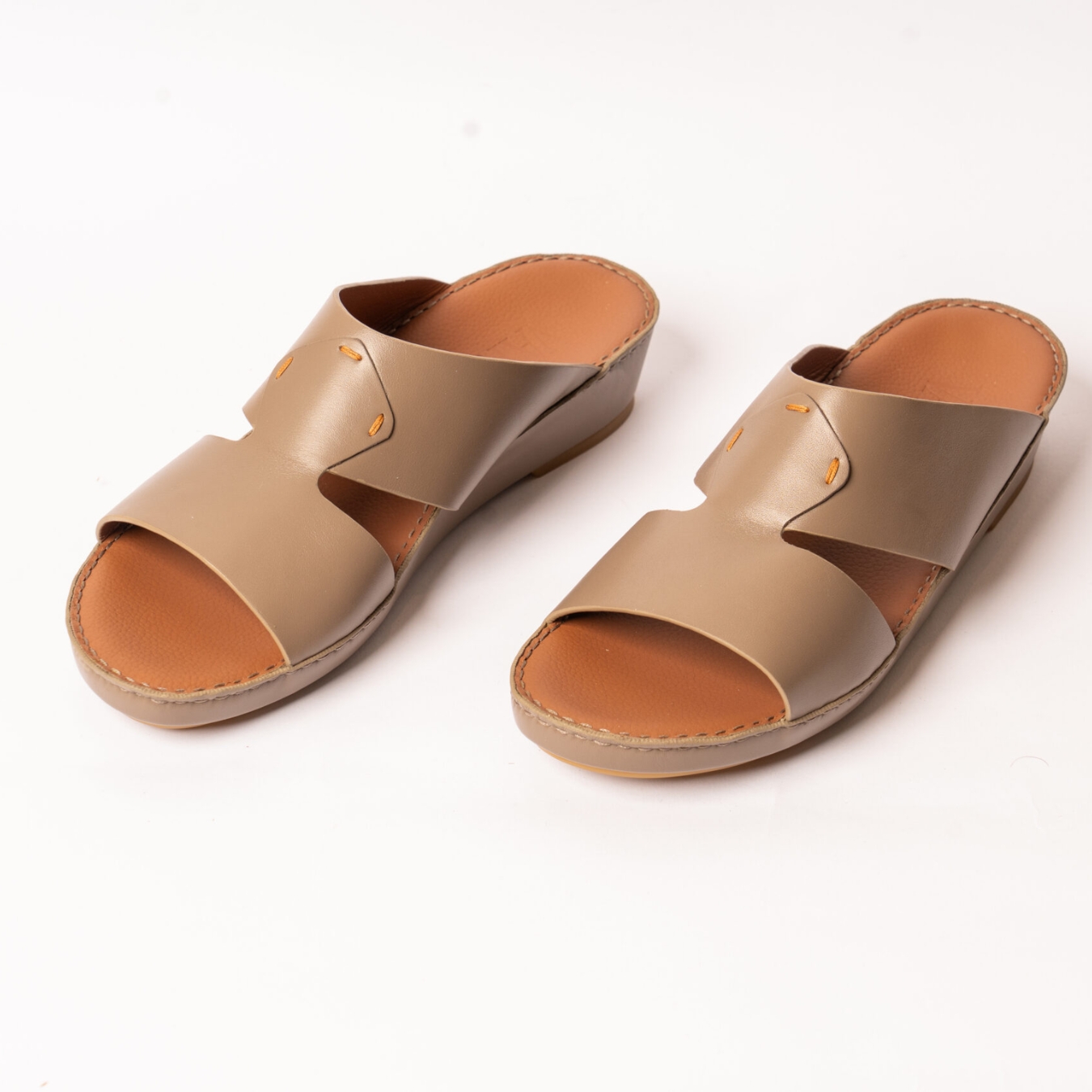
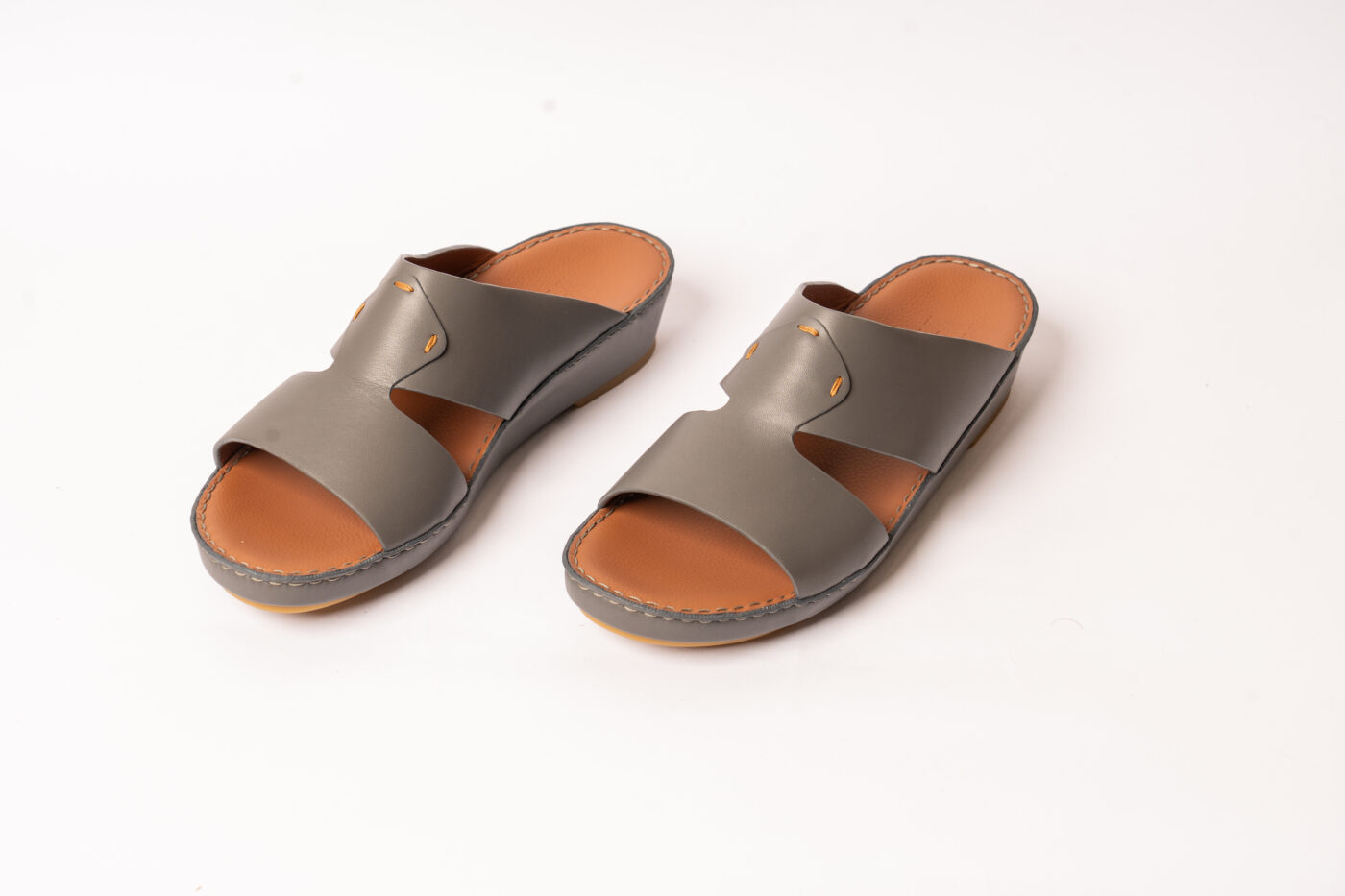
A decade ago, if you asked someone to picture men's Arabic footwear, they would likely describe something worn at family gatherings, during prayer, or on Eid morning, then put away again until the next occasion. That picture no longer holds. Step into any coffee shop in Doha, Muscat, or Riyadh today and you will find sandals of this kind worn with everything from linen shirts to tailored trousers, on a completely ordinary Tuesday afternoon. Something has genuinely changed in how this footwear is understood, and Varisi has been paying close attention to exactly how that shift unfolded. The Modern Meaning of Men's Arabic Footwear What used to signal where a man came from now says something about how he chooses to live. Men's Arabic footwear has quietly taken on a second layer of meaning, sitting alongside its cultural roots rather than replacing them. It still nods to region and heritage, but it now also speaks to someone who values comfort, honest materials, and a slower approach to buying clothes and footwear in general. This shift has not diluted the tradition. If anything, it has given it a wider audience. Men who never grew up wearing sandals of this kind, whether through distance from the region or simply changing habits within their own families, are discovering them for entirely practical reasons and staying for the craftsmanship once they understand what went into making them. The Workshop Before the Wardrobe Before men's Arabic footwear became a daily habit, it started as a workshop skill passed from one pair of hands to the next. In small leather workshops across the Gulf and the Levant, cobblers learned to read hide before they ever picked up a knife. A poorly cured skin would crack within weeks; a well-cured one could last a decade. That knowledge rarely made it into books. It was taught by watching, repeating, and failing until the cuts became second nature. The shapes themselves were never arbitrary. A wide toe box gave the foot room to breathe in extreme heat. A low, flat sole kept the wearer grounded on sand and stone alike. Straps were positioned to avoid pressure points during long walks between prayer times. None of this was decorative thinking. It was footwear engineered by necessity, long before "functional design" became a marketing phrase. Why Younger Buyers Changed Their Minds Ask most men under forty why they now wear sandals of this style daily, and the answer rarely involves tradition first. It usually starts with comfort. The Trainers Fatigue Years of wearing trainers in 40-degree heat left a lot of men with sweaty feet, poor ventilation, and shoes that broke down within a single summer. Switching to open leather sandals solved a problem that synthetic footwear was never built to handle in this climate. Social Proof Through Travel As Gulf residents travelled more and saw how international menswear circles were referencing similar silhouettes, wearing mens Arabic sandals outside the home stopped feeling old-fashioned. It started feeling, quite simply, like good sense. A Shift Away from Disposable Fashion There has also been a quieter change in mindset. Buyers grew tired of replacing cheap shoes every few months. A well-made pair of Arabic leather sandals, by contrast, tends to improve with age rather than fall apart. How to Recognise Genuine Men's Arabic Footwear Before You Buy Not every sandal sold under this name deserves the description. Telling a genuine pair from an imitation takes a closer look than most buyers are used to giving their footwear. Press your thumb into the leather. Genuine hide gives slightly and returns to shape; cheap coated material stays stiff or feels tacky. Check the underside of the strap where it meets the sole. Hand-stitched joins are usually uneven in a way that machine work never is, and that unevenness is a good sign, not a flaw. Smell the leather. A faint, natural leather scent suggests proper tanning; a strong chemical smell often means synthetic backing. Flex the sole in your hands. It should bend with some resistance, not fold flatly like cardboard or refuse to move at all. Buyers who check these details before purchasing tend to walk away with sandals that last years rather than a single season, which is really the whole point of choosing men's Arabic footwear over a mass-produced alternative in the first place. The Doha Effect: How Qatar Changed the Conversation Around Men's Arabic Footwear Few markets illustrate this shift as clearly as Qatar. Arabic sandals in Qatar were once sold mainly in traditional souqs, aimed at an older, more conservative customer base. Over the past several years, that has changed considerably. Retailers in Doha now stock these sandals alongside contemporary menswear, not tucked away in a separate cultural section. Younger buyers walk in expecting proper sizing charts, clear material information, and finishes that suit a modern wardrobe rather than a strictly ceremonial one. This demand pushed makers, including Varisi, to raise their own standards around consistency, fit, and long-term durability, because a customer buying sandals for daily wear expects a very different level of performance than someone buying a single pair for a wedding. The result is a market where heritage and modern retail expectations now sit comfortably side by side, rather than pulling in opposite directions. What "Luxury" Actually Means in This Context The term luxury Arabic sandals gets used loosely, often attached to anything with a higher price tag. A more honest definition focuses on what actually goes into the product rather than what it costs. Material Honesty A genuinely premium pair uses full-grain leather throughout, including the insole, rather than a good-looking exterior layered over a cheaper synthetic core. Visible Craftsmanship Hand-burnished edges, reinforced stitch lines at pressure points, and symmetrical strap placement are small details, but they separate a well-made pair from one that simply photographs well. Repairability A sandal built to last should also be a sandal built to be repaired. Resoling and restitching should be realistic options, not something the design quietly prevents. This is the standard Varisi holds itself to, because calling something luxury without the craftsmanship to back it up does a disservice to a tradition that never needed exaggeration to justify its value. Choosing Men's Arabic Footwear for Life, Not Just an Occasion If you are buying your first proper pair, a few practical steps will save you from disappointment later. Wear them indoors first. Walk around your home for an hour before taking them outside, to check for pressure points early.Buy true to size, not tight. Leather stretches slightly with wear, so a snug fit at purchase usually loosens into a comfortable one.Condition the leather every few months. A light leather balm keeps the material supple and prevents cracking in dry heat.Rotate two pairs if you wear them daily. Giving leather a day to rest between wears extends its lifespan considerably. Following these steps is a small effort that pays off across years rather than months, which is exactly why so many men have shifted from treating this footwear as occasional wear to relying on it every single day. Step Into Comfort: Discover Men's Arabic Footwear at Varisi Reading about good craftsmanship is one thing; feeling it on your own feet is another matter entirely. If your current footwear rotation still leaves your feet sweating through the afternoon or wearing thin after a few months, it may be time to try something built with more thought behind it. Varisi's collection is put together by people who care whether a strap sits right after ten hours of wear, not just how a pair looks in a photograph. Browse the range, find a fit that suits your daily routine, and see for yourself why so many men have already made the change. Conclusion The story of men's Arabic footwear is not one of reinvention for its own sake. It is a story of a practical, well-considered tradition finally being recognised for what it always offered: comfort suited to the climate, craftsmanship built to last, and a design language that never actually needed updating to stay relevant. Whether someone is choosing Arabic leather sandals for a hot commute, seeking out Arabic sandals in Qatar with proper sizing and finish, or investing in a genuinely luxury Arabic sandals pair meant to last for years, the appeal comes from the same place. At Varisi, that is the standard behind every pair leaving the workshop. Frequently Asked Questions Is men's Arabic footwear suitable for everyday use, or only special occasions? Well-constructed pairs are increasingly worn daily, particularly in hot climates where breathable, flat leather sandals outperform closed footwear. How can I tell if a pair of mens Arabic sandals is genuine leather? Check for a natural leather scent, slight give when pressed, and uneven hand-stitching at the strap joins, all signs of authentic material and construction. Why has demand for Arabic sandals in Qatar grown in recent years? Retailers have shifted from treating them as ceremonial items to stocking them as everyday menswear, matching a younger customer base that wants both tradition and daily practicality. What separates luxury Arabic sandals from a standard pair? Full-grain leather throughout, visible hand-finishing, and the ability to be resoled or repaired rather than discarded after light wear. How long should a good pair of Arabic leather sandals last? With proper care, including regular conditioning, a well-made pair can comfortably last several years before needing repair.
Arabic sandals in Qatar

Arabic Sandals in Qatar Are Getting a Serious Upgrade — Here’s Why It Matters

Walk through any souq in Doha and you'll pick up on something that's easy to miss at first glance. The classic look is still there — leather straps, a flat sole, that familiar Gulf shape everyone recognises. But look closer and the small things have changed. The stitching feels sturdier, the soles are noticeably lighter, and the shelves now hold far more colours and finishes than the two or three shades that used to be the only options. Arabic sandals in Qatar are quietly changing, and if it's been a while since you last bought a pair, you're likely to notice the difference. This isn't a trend piece written from a distance. Anyone who has bought footwear in Qatar over the past decade, or spoken to the craftsmen who still hand-cut leather in small workshops around the city, will tell you the same thing: comfort expectations have gone up, the definition of "formal" has widened, and buyers are far less willing to compromise on quality just because a design is traditional. Here's a closer look at what's actually driving the change. Why Arabic Sandals in Qatar Are Changing Now A few forces are pushing this shift at the same time, and none of them are fads. The climate is one obvious factor. Doha's heat isn't new, but the way people move through their day has changed. More time is spent going between air-conditioned malls, offices, and cars, and less time is spent on unpaved ground. That has allowed designers to experiment with lighter soles and thinner uppers without sacrificing durability, something that would have been riskier a generation ago when sandals had to survive rougher terrain. There's also a generational shift in taste. Younger buyers in Qatar have grown up with international travel and global fashion exposure, yet many still prefer traditional dress for daily life and formal occasions. That combination has created demand for footwear that respects heritage but doesn't look dated next to a tailored thobe or a sharp bisht. The result is a wave of luxury Arabic sandals that borrow finishing techniques from European leather goods while keeping the classic Gulf shape intact. Finally, there's simple market maturity. A decade ago, options were limited to a handful of styles at a handful of price points. Today, buyers can choose between mass-market versions and genuinely well-made pairs, and they're increasingly aware of the difference. How Arabic Sandals in Qatar Compare Across Price Points Not every buyer is chasing the same thing, and the market has grown wide enough to reflect that. At the lower end, mass-produced options still exist for people who simply need something functional and are happy to replace them every season. In the middle, there's a growing range of arabic sandals in Qatar that balance decent leather with fair pricing, aimed at buyers who want something that lasts a couple of years without paying premium rates. At the top, well-crafted, higher-cost pairs cater to those who see footwear as a long-term investment rather than a seasonal purchase. Understanding where you sit on that scale before shopping makes it far easier to know what to actually look for, rather than judging a pair purely on how it looks on a shelf. Seasonal Demand for Arabic Sandals in Qatar Is Changing Too Buying patterns aren't spread evenly across the year, and that's shifted as well. Eid and wedding season still bring the biggest spike in demand, with buyers often picking something more refined for gifting or formal wear. But outside those peak periods, everyday demand for arabic sandals in Qatar has become steadier than it used to be, rather than being concentrated around a couple of major events. Part of this comes down to more people owning multiple pairs for different purposes instead of one pair worn until it wears out. Sellers have noticed the change too, with several now keeping fuller stock year-round instead of ramping up only ahead of major occasions. From Function to Statement: The Design Shift Traditional sandals were built primarily for practicality — something to slip on quickly, breathe easily in, and replace when worn out. That's no longer the whole story. Materials Are Getting More Serious Full-grain leather has become far more common than it used to be, replacing the thinner, lower-grade hides that were standard in budget ranges. Full-grain doesn't just look better; it ages better, developing a patina rather than cracking. Some workshops have also introduced vegetable-tanned leather, which is gentler on the skin during long wear in the heat, and hand-stitched detailing that used to be reserved for imported footwear. Colour and Finish Options Have Widened Black and brown were once the only real choices. Now it's common to see: Deep tan and cognac finishes Matte black with contrast stitching Subtle textured leathers instead of flat, glossy surfaces Two-tone straps that pair with both formal and casual thobes This shift matters because it lets one pair work across more occasions, rather than needing separate sandals for the office, prayer, and family gatherings. Comfort Engineering Has Caught Up This is arguably the biggest change. Contoured footbeds, better arch support, and cushioned midsoles are now showing up in sandals that still look entirely traditional from the outside. A few years ago, comfort features like this were mostly found in Western sandal brands, not in Gulf-style designs. That's changed, and it's one reason men's Arabic sandals are being worn for far longer stretches of the day without the discomfort that used to be taken for granted. What Buyers Are Actually Looking For Today Ask around and a clear pattern emerges. Buyers aren't just asking "does this look right with my thobe" anymore. They're asking harder questions before they spend money. Durability Over Decoration Ornate stitching and embellishment still have a place, particularly for weddings and Eid, but everyday buyers increasingly prioritise construction quality. A sole that won't separate after six months of daily wear matters more than an extra decorative flourish. Fit That Actually Matches Regional Feet Sizing has historically been inconsistent between brands, with imported designs often built around foot shapes that don't quite match local proportions. There's now more attention paid to width and strap positioning specifically for regional buyers, which has quietly reduced the number of returns and complaints about sandals that "look right but feel wrong." A Willingness to Pay for Quality There's a noticeable shift toward treating sandals as an investment rather than a disposable item. This is part of why luxury sandals in Qatar have moved from a niche category into something closer to mainstream demand, particularly among professionals who wear traditional dress to work every day and want footwear that holds up to that routine. How Varisi Fits Into This Shift At Varisi, this evolution isn't something observed from the sidelines — it's shaped how each pair is put together. Rather than treating tradition and modern comfort as competing priorities, the approach has been to keep the silhouette instantly recognisable while quietly upgrading everything underneath it: the leather sourcing, the stitching technique, and the footbed structure. The idea behind Varisi's range of men's Arabic footwear is straightforward: a sandal shouldn't force a choice between looking authentically Gulf and feeling comfortable enough to wear from sunrise prayer through a full working day. That balance is exactly what's driving demand across Qatar right now, and it's why the category continues to move in this direction rather than reverting to older, simpler designs. Why Locals Trust Arabic Sandals in Qatar Sellers Over Imports Ask a long-time Doha resident where they buy their footwear and the answer is rarely a random mall outlet. Most point towards sellers who've been working with leather in this region for years, simply because they understand what actually holds up here. Imported designs often look impressive in photos but weren't built with Qatar's heat, dust, or long hours of standing in mind. That's why so many buyers now search specifically for arabic sandals qatar sellers rather than settling for whatever's available at a generic footwear chain. Local makers know which stitching survives daily wear, which leather won't dry out in direct sun, and which fit actually works for regional feet — details that only come from years of making sandals for people who wear them every single day. Why Arabic Sandals Qatar Buyers Look For Versatility First One thing that comes up again and again when talking to buyers is how much value is placed on a single pair doing more than one job. Life in Qatar moves between the office, the mosque, family visits, and casual errands, often within the same day, and not everyone wants a different pair of sandals for each stop. That's pushed most arabic sandals qatar shoppers to prioritise versatility over anything flashy — a neutral tone, a comfortable footbed, and a design that doesn't look out of place whether it's paired with a work thobe or worn to a relaxed family gathering. It's a practical mindset, and it's one of the clearer signs that people are buying with long-term use in mind rather than chasing a single occasion. What This Means for Anyone Shopping Right Now If you're buying a new pair, a few practical takeaways are worth keeping in mind: Check the leather type before the price tag. Full-grain or vegetable-tanned leather will outlast lower-grade alternatives by a wide margin. Try them on later in the day. Feet swell slightly with heat and movement, so a sandal that fits well in the morning can feel tight by evening. Don't assume traditional means uncomfortable. Many current designs now include the same comfort engineering found in premium international footwear. Think about versatility. A well-chosen neutral tone will work across formal, casual, and religious occasions, reducing the need to own multiple pairs. The broader takeaway is simple. Arabic sandals in Qatar haven't abandoned their roots — if anything, the classic shape is more recognisable than ever. What's changed is everything that supports that shape: better materials, smarter construction, and a far wider range of finishes than buyers had access to even a few years back. Final Thoughts The story of Arabic sandals in Qatar isn't one of tradition being replaced — it's one of tradition being refined. The shape that's been worn for generations is still the shape people reach for today. What's different is the thinking behind it: better leather, smarter construction, wider fits, and a genuine focus on comfort that used to be an afterthought. For anyone who's grown tired of choosing between authenticity and everyday comfort, this shift is good news. It means you no longer have to pick one over the other. If you're due for a new pair, now is a good time to pay closer attention to what's actually holding the sandal together, not just how it looks on the shelf. Ready to Feel the Difference? Varisi was built around this exact shift — sandals that hold onto the traditional Gulf silhouette while quietly upgrading everything that affects how they feel by the end of the day. Whether you're after everyday men's Arabic footwear or a more refined pair for formal occasions, the collection at Varisi is designed to fit the way life in Qatar actually moves. Browse the current range at Varisi and find a pair built to be worn, not just admired. Frequently Asked Questions Are traditional Arabic sandals still popular in Qatar, or are people switching to Western styles? Traditional styles remain the preferred choice for most daily and formal wear. What's changed is the construction and comfort behind the familiar design, not the design itself. What should I look for when buying luxury Arabic sandals? Focus on leather quality, stitching consistency, and footbed support rather than decorative detail alone. A well-made pair should feel supportive after a full day of wear, not just look good in the shop. Do men's Arabic sandals come in wide-fit options? Increasingly, yes. More brands, including Varisi, now account for regional foot shapes and offer wider fittings rather than relying on a single standard width. How can I make Arabic sandals last longer in Qatar's climate? Rotate between two pairs if worn daily, keep leather conditioned every few weeks, and avoid prolonged exposure to direct sun when not in use, as heat can dry out untreated leather faster than expected. Is it worth paying more for luxury sandals in Qatar compared to standard options? For anyone wearing traditional footwear daily, yes. The difference in comfort and durability tends to justify the cost over the sandal's lifespan, particularly with better sourced leather and construction. Follow us on Instagram for the latest product updates, new arrivals, and exclusive offers.
mens arabic slippers

Smart Ways to Choose Mens Arabic Slippers for Comfort, Quality, and Style

Choosing the right mens Arabic slippers is about more than finding a pair that matches your thobe. The best choice should feel easy to wear, look appropriate for the setting and stay reliable after repeated use. A good pair becomes part of your routine: ready for a prayer visit, a family event, an evening out or simply a smart everyday look. Arabic slippers have a distinctive appeal because they sit between formal footwear and casual comfort. They are practical, refined and rooted in regional style. Yet, the market offers many options, from basic slip-ons to finely finished leather designs. Knowing what separates a well-made pair from one that only looks good in a product photo can save you from an uncomfortable or short-lived purchase. This guide from Varisi explains how to assess mens Arabic slippers properly, with attention to fit, materials, sole construction and styling. What Makes One Pair of Mens Arabic Slippers Last Longer Than Another? The honest answer is rarely the price tag—it’s the materials underneath the surface. Two pairs of mens arabic slippers can look nearly identical from a metre away, yet one uses full-grain leather with reinforced stitching while the other relies on a thin synthetic coating over a cardboard-like base. The second pair might survive light, occasional wear, but daily use—walking, standing during prayer, and exposure to water—can wear it down quickly. A longer-lasting pair typically shares three traits: a natural leather upper that flexes rather than cracks, a sole that's stitched rather than only glued, and an insole shaped to support the foot rather than simply cushion it. Miss any one of these, and the slipper's lifespan drops significantly, regardless of how polished it looks in a shop window. Does Climate Actually Affect Which Mens Arabic Slippers You Should Buy? More than most people realise. In hot, humid climates, synthetic materials trap heat and moisture against the skin, which can lead to discomfort and odour over time. Genuine leather, by contrast, allows better airflow and handles heat more gracefully, provided it's properly finished — which is why climate should always factor into how you choose mens Arabic slippers. This is particularly relevant for anyone comparing luxury sandals in Qatar, where extreme summer temperatures test footwear far more aggressively than milder climates. A pair that performs well in cooler conditions might still fail quickly once exposed to consistent heat, which is why climate suitability deserves as much attention as style. Why Do Some Slippers Feel Uncomfortable Even Though They're New? This catches a lot of buyers off guard. A brand-new pair of mens arabic slippers should feel reasonably comfortable from the first wear—not painful or so restrictive that it requires weeks of “breaking in” before the rubbing or pinching stops. If a pair feels uncomfortable straight away, that’s rarely something that improves with time. More often, it signals a sizing mismatch, a rigid sole that hasn’t been designed to flex naturally with foot movement, or strap placement that sits awkwardly against the skin. The fix here is simple but often skipped: walk around in the slippers for a minute or two before buying, rather than just trying them on while standing still. Comfort under actual movement tells you far more than comfort while stationary. Think About When You Will Wear Them Before selecting a colour or finish, decide what role the slippers will play in your wardrobe. This makes the buying process far easier and prevents you from choosing a pair that looks beautiful but does not suit your day-to-day needs. A pair for formal celebrations may need a cleaner leather finish and a sleeker profile. A pair for regular use should be more forgiving, with a flexible sole and a fit that feels comfortable for several hours. If you are buying for travel, ease of removal and a stable sole may matter more than a highly polished appearance. Ask yourself a few simple questions before you shop: Will you wear the slippers mostly indoors, outdoors or both? Do you need them for daily use, special occasions or Friday prayers? Will you walk long distances while wearing them? Are you likely to wear them with traditional clothing, casual clothing or both? Do you prefer an open heel for convenience or more coverage around the foot? Is durability more important to you than a very lightweight feel? Your answers will narrow the choices quickly. Someone who spends most of the day moving between meetings, family homes and outdoor spaces will need something different from someone looking for an elegant pair to wear at formal gatherings. Everyday footwear needs a practical sole Many shoppers focus first on the leather upper, but the sole determines how useful the slipper is in real life. A thin sole may look graceful and traditional, but it may not give enough grip or protection when walking outdoors. For daily wear, look for a sole that feels stable without making the footwear appear heavy. A slightly cushioned base can reduce pressure on the heel when standing for long periods. A textured rubber sole can also help on smooth floors, tiled entrances and outdoor pavements. The aim is not to choose a trainer-like sole; it is to find a design that keeps the traditional silhouette while making every step more secure. When browsing mens Arabic slippers, examine the product image from the side as well as from underneath. This helps you judge whether the sole is suitable for the way you plan to wear it. Getting the Fit Right for Mens Arabic Slippers A slipper should feel relaxed, but it should not feel loose. The open design of many Arabic styles can make fit more important than shoppers expect. If the pair is too large, your foot may slide forward or lift at the heel while walking. If it is too tight across the upper, it can cause discomfort around the toes and instep. Do not select a size simply because it is the size you normally wear in trainers or formal shoes. Different footwear styles can fit differently, particularly when the front is narrow or the upper is structured. When considering fit, check these points: Your toes should not press against the front edge. The upper should sit smoothly across your foot without pinching. Your heel should not move excessively as you walk. There should be enough width for your foot to rest naturally. The slipper should not feel difficult to put on or remove. The edges should not rub against your toes or the side of your foot. If you have a wider foot, avoid choosing a pointed design purely for appearance. A wider toe shape can still look elegant while giving your foot the room it needs. Comfort is not a compromise in quality footwear; it is one of the clearest signs that you have chosen well. Open-back versus closed-back designs Open-back styles are valued for their convenience. They are easy to put on, easy to remove and ideal for moments when you want effortless footwear. They suit home use, social calls, religious visits and warm weather particularly well. A closed-back or more structured style gives additional hold around the heel. This can be useful if you walk frequently, travel often or prefer footwear that feels more secure. It may also create a more formal look when paired with tailored traditional clothing. Neither option is automatically superior. The most suitable choice is the one that matches your habits. If convenience is your priority, an open-back style can be ideal. If support and stability matter more, a covered heel may be the better investment. Learn How to Judge Quality The material should suit your routine The outer material affects the slipper’s look, comfort and maintenance needs. Leather is a classic choice because it can develop character with wear and often gives a neat, premium finish. Smooth leather tends to look formal and versatile, while textured leather can hide minor marks better and add a little depth to a simple outfit. For shoppers searching for Arabic slippers for men, it is worth considering whether the material will work with their lifestyle. A polished finish may suit occasional evening wear, but it can show scuffs more easily. A matte or grained leather may feel more practical for regular use. Soft suede-style materials offer a relaxed appearance, although they require more care in dusty or wet conditions. Do not judge quality from the word “leather” alone. Read the available product details and look for information on the lining, sole and care requirements. Clear descriptions help you make an informed choice and show respect for the customer’s decision. Inspect the finishing details Good craftsmanship is often visible in quiet details. You do not need specialist knowledge to assess whether a pair has been made carefully. Look at the stitching around the upper, the finish of the edges and the connection between the sole and the body of the slipper. A stronger-quality pair will usually have: Neat stitching with no loose threads Even colour across the upper Smooth edges around the opening A sole that sits firmly against the upper A toe shape that holds its form A clean interior without rough seams These details matter because Arabic slippers are often worn in settings where the overall presentation counts. A well-finished pair looks considered even when the rest of the outfit is simple. For anyone comparing Arabic slippers men styles online, close-up photographs are useful. Zoom in on the toe, side profile and interior. These areas often reveal more than a full-length image. Build a Colour Collection Slowly You do not need several pairs at once. Begin with one versatile colour, then add more options as your wardrobe grows. Black and dark brown are dependable starting points because they work well for formal occasions and can be worn with a wide range of garments. Tan, camel and medium brown create a warmer, more relaxed feel. They pair particularly well with white, cream, beige and light-coloured traditional clothing. Navy and deep burgundy can add character without looking overly bold, making them useful choices for events or evening wear. If you are exploring luxury sandals in Qatar, avoid choosing a colour only because it is popular at the moment. A classic shade that works with your existing clothes will give you more value over time than a trend-led option you wear only once or twice. Style Mens Arabic Slippers with Confidence Mens Arabic slippers work best when they feel intentional rather than added at the last minute. With a kandura or thobe, choose footwear that supports the formality of the outfit. Smooth leather in black or deep brown usually gives a sharp, composed appearance. For daytime wear, a lighter brown or soft neutral shade can make the look feel more relaxed. They can also be worn with modern clothing when the outfit remains clean and balanced. Neutral trousers, a linen shirt, a simple kurta or a tailored overshirt can all work with a refined pair of slippers. Keep the colours complementary and avoid overly athletic pieces, as the contrast can feel disconnected. A few easy styling principles can help: Match polished footwear with neater, more formal clothing. Use textured leather to add interest to a plain outfit. Pair light-coloured slippers with soft, neutral clothing tones. Choose darker slippers when you want the footwear to look more formal. Let the slipper complement the outfit rather than compete with it. The beauty of mens Arabic slippers is that they can look understated while still making a strong impression. A clean shape, good material and proper fit often say more than excessive decoration. How Long Should a Well-Made Pair of Mens Arabic Slippers Realistically Last? With reasonable care, a properly constructed leather pair of mens Arabic slippers typically holds up well beyond a year of regular daily use. Lower-quality alternatives, particularly synthetic versions, often need replacing within just a few months in warmer climates. If you find yourself repeatedly buying new mens Arabic slippers within short intervals, the issue is almost always tied to material and construction quality, not how carefully you're wearing them. Care Makes a Difference Good craftsmanship is often visible in quiet details. You do not need specialist knowledge to assess whether a pair of mens Arabic slippers has been made carefully. Look at the stitching around the upper, the finish of the edges and the connection between the sole and the body of the slipper. Wipe smooth leather with a clean, soft cloth after use. Avoid leaving footwear in direct sunlight or near strong heat, as this can dry out the material. If the slippers become damp, allow them to air dry naturally rather than placing them near a heater. For suede or nubuck finishes, use an appropriate brush and keep them away from heavy moisture. When storing them, place the pair somewhere dry and clean. A dust bag or shoe box can help prevent unnecessary marks. These small habits are especially worthwhile when investing in luxury sandals in Qatar, where premium materials deserve proper attention. Frequently Asked Questions Can Arabic slippers be worn outdoors, or are they strictly indoor footwear? Many pairs are versatile enough for both, but outdoor use calls for a slightly firmer sole with better grip, while thinner, softer soles are better suited to indoor and prayer use only. What's the difference between men's and women's Arabic slippers in terms of construction? Men's designs typically use thicker leather and a broader, more structured sole, while women's versions often favour lighter materials and narrower silhouettes — but both should follow the same stitching and quality standards. Do Arabic slippers run true to standard shoe sizes? Not always. Sizing can vary noticeably between brands, so it's worth checking a size guide or trying both slippers on rather than assuming your usual shoe size will fit. Why do some leather slippers darken or change colour over time? This is a normal process called patina, caused by natural oils, sunlight, and everyday handling — it's a sign of genuine leather ageing naturally, not a defect. Can Varisi slippers be repaired if the sole wears down? In most cases, yes — since Varisi uses stitched sole construction rather than glue-only bonding, a worn sole can often be reattached or resoled instead of replacing the entire pair. Choose a Pair You Will Reach For Often The right mens Arabic slippers should feel natural from the moment you wear them. They should match your lifestyle, suit your clothing and provide the comfort needed for your typical day. Instead of choosing only by appearance, consider the fit, sole, material, finishing and the occasions you have in mind. At Varisi, take time to compare styles with purpose. Choose a pair that reflects your personal taste, but make sure it also supports the way you live. When comfort, quality and style work together, your slippers become more than footwear—they become a dependable part of your everyday wardrobe. Ready to find yours? Explore Varisi's collection and see the difference proper craftsmanship makes. Follow us on Instagram for the latest product updates, new arrivals, and exclusive offers.
Boys arabic sandals Qatar

Little Feet, Timeless Style: The Ultimate Guide to Boys Arabic Sandals in Qatar

When it comes to dressing young boys in traditional Gulf style, nothing completes the look quite like a well-made pair of Boys Arabic sandals in Qatar. Whether it's for Eid, a family wedding, daily wear, or simply matching Baba's own pair of Arabic sandals for men, Arabic sandals are a staple in every Qatari household's footwear collection. In this guide, we cover everything parents need to know before buying — styles, materials, sizing, comfort, and care — so you can make the best choice for your little one. Why Boys Arabic Sandals Are a Wardrobe Essential in Qatar Arabic sandals are more than just footwear — they are a symbol of tradition and identity in the Gulf region. For boys, wearing a well-fitted pair of Arabic sandals from a young age instills a sense of cultural pride while offering practical benefits suited to Qatar's warm climate: Breathability: Open-toe and slip-on designs keep little feet cool in Qatar's hot weather. Comfort for active kids: Lightweight soles allow boys to run, play, and move freely. Easy to wear: No laces or buckles to fumble with, making them perfect for young children who are just learning to dress themselves. Occasion-ready: From everyday errands to Eid prayers and family gatherings, they suit both casual and formal settings. Popular Styles of Boys Arabic Sandals When shopping for boys' Arabic sandals in Qatar, you'll typically come across a few popular styles: Classic Nappa Leather Sandals Soft nappa leather is one of the most popular choices for boys' sandals because it is gentle on young skin while still being durable. These sandals often come in rich colors like black and dark green, offering a timeless, traditional look that pairs well with both thobes and casual outfits. Calf Leather Sandals Slightly firmer than nappa, calf leather sandals are known for their durability and structured shape. They tend to hold up well to daily wear and are a great option for boys who are always on the move. Matching Father-Son Sandals Many parents in Qatar prefer to buy matching sandals for fathers and sons — a growing trend, especially during Eid and wedding season. Pairing a boy's sandals with a similar style of men's Arabic footwear creates a coordinated, traditional look for family photos and gatherings. How to Choose the Right Size Getting the correct fit is one of the most important parts of buying sandals for boys, since children's feet grow quickly and comfort is essential: Measure both feet: Children's feet can differ slightly in size — always measure both and size for the larger foot. Leave a little room: Unlike adult sandals, boys' sandals should have a small amount of extra space (around 0.5 cm) to accommodate growth, but not so much that the foot slides while walking. Check the strap fit: The strap or upper should sit snugly across the foot without pinching, and the heel should not slip out when walking. Re-measure every few months: Since children's feet grow fast, it's a good idea to check sizing every 3–4 months, especially for younger boys. If you're unsure about sizing, always refer to a proper sizing guide before ordering, and when possible, have your child try sandals on in person. Choosing the Right Material The material of the sandal affects both comfort and durability: Genuine leather is generally recommended over synthetic materials for boys' sandals in Qatar's climate, as it breathes better and is less likely to cause skin irritation or odor in the heat. In fact, the same qualities that make Arabic leather sandals ideal for grown men — durability, breathability, and a refined look — make them just as suitable for boys, only sized down for smaller feet. Caring for Boys Arabic Sandals Since children are naturally rougher on their footwear, proper care will help the sandals last longer: Wipe clean regularly: Use a soft, slightly damp cloth to remove dust and dirt after outdoor play. Condition the leather: Apply a light leather conditioner every few weeks to keep the material soft and prevent cracking. Avoid prolonged water exposure: While leather sandals can handle occasional splashes, soaking them should be avoided as it can weaken the material. Store properly: Keep sandals in a cool, dry place away from direct sunlight to prevent the leather from drying out or fading. Rotate pairs if possible: Having two pairs allows each pair to air out between wears, extending their lifespan. When to Buy: Occasions for Boys Arabic Sandals Eid al-Fitr and Eid al-Adha: A new pair of Arabic sandals is a traditional part of Eid outfits for boys across Qatar. Weddings and family functions: Formal gatherings often call for a polished pair to match traditional attire. School holidays and daily wear: Comfortable, durable sandals for everyday activities. Ramadan: Many families buy new sandals ahead of Ramadan for prayers and evening gatherings. Why Buy Boys Arabic Sandals Online in Qatar Shopping for boys' sandals online has become increasingly popular among Qatari families, and for good reason: Wider selection: Online stores typically showcase a broader range of colors, sizes, and styles than a single physical shop. Convenient sizing charts: Most stores provide detailed sizing guides so you can measure your child's foot at home before ordering. Doorstep delivery: With hassle-free delivery across Qatar, you can shop from home without dragging a restless toddler through a mall. Easy comparisons: You can quickly compare nappa vs. calf leather, colors, and price points side by side before deciding. That said, if your child has never worn a particular brand's sandals before, it's worth checking the return policy in case the fit needs adjusting. Boys Arabic Sandals vs. International Brands Parents in Qatar often ask whether locally crafted Arabic sandals are a better choice than mainstream international kids' footwear brands. Here's how they typically compare: For families who value tradition alongside comfort, genuine Arabic leather sandals remain the preferred choice for boys, especially during religious and cultural occasions. A Quick Buying Checklist for Parents Before you check out, run through this quick checklist to make sure you're picking the right pair: Is the leather genuine and breathable? Does the strap sit snugly without pinching? Is there a small amount of extra room for growth? Does the color/style match the occasion (daily wear vs. Eid/wedding)? Have you checked the sizing guide or measured your child's foot recently? Does the store offer easy returns in case the size needs adjusting? The Craftsmanship Behind Varisi Boys Sandals At Varisi, every pair of boys' sandals is made with the same attention to detail as our men's collection. We use genuine nappa and calf leather, carefully cut and stitched to hold up to a child's active lifestyle while staying gentle on young, sensitive skin. Each sole is designed for flexibility, so boys can walk, run, and play comfortably without the stiffness often found in mass-produced footwear. This focus on quality materials and craftsmanship is what allows a pair of Arabic sandals to be worn season after season, even as your child grows. How to Style Boys Arabic Sandals Getting the styling right helps boys' Arabic sandals look just as sharp as they feel. A few simple tips: With a thobe or kandora: Keep it classic — black or dark green nappa leather sandals pair naturally with both white and colored thobes, and work for everything from daily wear to Friday prayers. For Eid and weddings: Choose a slightly richer leather tone, like calf leather in black or oyster, and match it with your son's formal thobe or bisht for a coordinated, festive look. Casual outfits: Arabic sandals aren't limited to traditional wear — they pair just as well with simple kanduras, cotton shirts, or shorts for everyday comfort with a cultural touch. Matching with Baba: For family occasions, picking a similar color or leather finish from our men's Arabic footwear range creates an easy, coordinated father-son look without needing identical styles. The key is keeping the sandals as the grounding piece — since the leather tone and craftsmanship already stand out, the rest of the outfit can stay simple and let the footwear do the talking. Frequently Asked Questions How often should I replace my son's Arabic sandals? Since children's feet grow quickly, most boys need a new pair every 6–12 months, or sooner if the current pair feels tight or shows signs of wear. Are leather sandals safe for daily school or outdoor wear? Yes — genuine leather sandals with a sturdy sole are suitable for daily wear, though for sports or heavy outdoor play, a dedicated athletic shoe is still recommended. Can I buy matching sandals for my son and myself? Absolutely. Many families in Qatar choose matching or complementary styles from the same collection of men's Arabic footwear and boys' sandals, especially for Eid and weddings. What's the difference between nappa and calf leather for boys? Nappa leather is softer and more flexible, ideal for sensitive young skin, while calf leather is firmer and more durable, better suited for boys who are hard on their shoes. Final Thoughts Choosing the right Boys Arabic sandals in Qatar comes down to balancing tradition, comfort, and durability. Quality leather, a proper fit, and regular care will ensure your son's sandals stay comfortable and stylish through every stage of growth. Whether you're shopping for Eid, a family wedding, or everyday wear, investing in a well-made pair makes all the difference — for both comfort and confidence. And if you're also updating Baba's wardrobe, browse our full range of Arabic sandals for men and men's Arabic footwear to complete the family's traditional look together. Explore our collection of boys' Arabic sandals, crafted from premium leather for lasting comfort and timeless style. Follow us on Instagram for the latest product updates, new arrivals, and exclusive offers.
Arabic Leather Sandals

Why Traditional Arabic Leather Sandals from Varisi Are Better Than Regular Sandals

When it comes to choosing footwear, most people focus on price first. Cheap synthetic sandals and flip-flops are easy to find, but they rarely last beyond a season. If you're looking for a durable and stylish alternative, arabic leather sandals offer lasting comfort, premium craftsmanship, and timeless appeal. Unlike synthetic options, they retain their shape, keep your feet comfortable, and remain a reliable choice for years instead of ending up in the back of the wardrobe—or worse, in the trash. If you're looking for footwear that combines luxury, comfort, heritage, and durability, Arabic leather sandals are in a different league altogether. For more than two decades, Varisi has been crafting premium Arabic leather sandals inspired by Qatari heritage and refined with modern design. Founded in 1998, Varisi has earned a reputation for producing exceptional footwear that reflects authentic Arabian craftsmanship while meeting the expectations of today's discerning customers. In this article, we'll explore why Arabic leather sandals from Varisi offer far more value than ordinary sandals and why they continue to be the preferred choice across the Gulf. What Makes Arabic Leather Sandals So Special? Arabic leather sandals are much more than everyday footwear. Traditionally known across the Gulf region as Na'al or Madas, they have been worn for generations because they perfectly suit the climate, lifestyle, and culture of the Arabian Peninsula. Unlike factory-made synthetic sandals, authentic Arabic leather sandals are carefully designed to provide: Long-lasting durability Natural comfort Elegant appearance Breathability in hot climates Timeless cultural value Varisi continues this tradition by combining centuries-old craftsmanship with premium materials and contemporary styling. Why Varisi Arabic Leather Sandals Stand Above Regular SandalsMany sandals may look similar at first glance, but the difference becomes obvious after wearing them for a few weeks.Let's explore why. Arabic Leather Sandals Are Crafted, Not Mass Produced One of the biggest differences between ordinary sandals and Arabic leather sandals is the manufacturing process. Most regular sandals are designed for mass production. Manufacturers use inexpensive materials like: Plastic Synthetic leather Foam Rubber compounds Artificial fabrics These materials help reduce production costs but usually sacrifice quality.Varisi takes a completely different approach. Every pair is created using premium genuine leather and finished by skilled craftsmen who understand traditional Arabian footwear. Attention is given to every stitch, edge, and finishing detail. Instead of focusing on producing thousands of identical pairs quickly, Varisi focuses on producing footwear that customers will proudly wear for years. The result is exceptional craftsmanship you can both see and feel. Arabic Leather Sandals Offer Superior Comfort Over Time Many people assume soft foam sandals are automatically more comfortable.That may be true—for the first few days. However, synthetic foam gradually compresses, loses its cushioning, and stops supporting your feet. Premium leather behaves very differently. After a short break-in period, Arabic leather sandals begin adapting to the natural contours of your feet. The leather gradually softens and creates a personalized fit that synthetic materials simply cannot achieve. Benefits include: Better foot support Improved walking comfort Reduced friction Less chance of blisters Comfortable wear for extended periods Natural leather also allows better airflow, helping your feet remain cooler throughout the day. For people living in hot climates like Qatar, this makes a noticeable difference. Genuine Leather Provides Better Breathability One of the biggest problems with synthetic footwear is trapped heat. Plastic and artificial materials don't breathe naturally. Instead, they trap moisture inside the sandal, making feet sweaty and uncomfortable. Varisi's Arabic leather sandals are made from genuine leather that naturally: Allows air circulation Absorbs excess moisture Helps regulate temperature Reduces unpleasant odors Keeps feet feeling fresh Combined with their open design and carefully positioned straps, these sandals remain comfortable even during Qatar's hottest months. Durability That Saves Money in the Long Run Buying inexpensive sandals every few months can actually become more expensive over time. Regular sandals often experience problems like: Broken straps Flattened soles Peeling synthetic leather Cracked foam Loose stitching In contrast, Varisi designs its Arabic leather sandals to withstand years of regular use. Premium leather naturally develops character rather than deteriorating quickly. Features that contribute to their longevity include: Strong leather uppers Reinforced stitching Structured multi-layer soles Premium finishing techniques Quality craftsmanship throughout Rather than replacing your sandals every season, you're investing in footwear that continues to improve with age. Arabic Leather Sandals Complement Every Style Many casual sandals only work with beachwear or shorts. Arabic leather sandals are much more versatile. Varisi's designs balance traditional elegance with modern fashion, making them suitable for various occasions. They pair beautifully with: Kandura Dishdasha Linen trousers Chinos Tailored shorts Casual jeans Smart-casual outfits Whether you're attending Friday gatherings, family occasions, business lunches, or evening events, they effortlessly elevate your appearance.Their timeless design means they never go out of style. Arabic Leather Sandals vs Regular Sandals Here's an easy comparison showing why premium Arabic leather sandals deliver greater long-term value. As the comparison shows, investing in quality pays off in comfort, durability, and appearance. The Heritage Behind Every Pair of Arabic Leather Sandals One of the reasons Arabic leather sandals remain so respected throughout the Gulf is their deep cultural significance. For centuries, they have been designed specifically for desert environments, where durability and breathability were essential. Generations of craftsmen refined their designs to create footwear that could handle: Hot weather Long walks Everyday use Traditional attire Formal gatherings Varisi proudly carries this heritage forward while introducing contemporary design elements that appeal to modern lifestyles. Owning a pair means wearing a piece of Arabian craftsmanship rather than simply following a fashion trend. Sustainability Is Another Reason to Choose Arabic Leather Sandals Today's fast-fashion footwear industry creates enormous waste. Millions of synthetic sandals end up discarded every year because they aren't designed to last. Choosing high-quality Arabic leather sandals is a more responsible decision.Since they're made using natural materials and built for longevity, fewer replacements are needed. That means: Less landfill waste Reduced consumption Better use of natural resources Greater long-term value Instead of buying multiple inexpensive pairs, one well-crafted pair from Varisi can accompany you for years. How to Care for Your Arabic Leather Sandals Quality leather deserves proper care. Fortunately, maintaining your Varisi sandals is simple. Follow these tips: Wipe away dust using a soft microfiber cloth. Avoid soaking them in water. Allow them to dry naturally if they become damp. Apply a quality leather conditioner every few months. Store them in a cool, dry place away from direct sunlight. Avoid prolonged exposure to excessive moisture. With just a little maintenance, your sandals will continue looking elegant for years. Why Customers Continue Choosing Varisi Since 1998, Varisi has remained committed to creating footwear that reflects: Authentic Qatari heritage Exceptional craftsmanship Premium quality materials Contemporary elegance Long-lasting comfort Every design reflects the company's mission of preserving Arabian tradition while meeting modern expectations. Instead of following short-lived fashion trends, Varisi creates timeless footwear that becomes part of your everyday lifestyle. Whether you're purchasing your first pair or adding another style to your collection, you're investing in quality that truly lasts. Frequently Asked Questions Are Arabic leather sandals suitable for everyday use? Yes. High-quality Arabic leather sandals are designed for daily wear. Once the leather adjusts to your feet, they provide outstanding comfort for everyday activities. Do Arabic leather sandals become more comfortable over time? Absolutely. Genuine leather gradually softens and conforms to your foot shape, creating a customized fit that improves with regular wear. How long do Varisi Arabic leather sandals last? With proper care, a premium pair can remain in excellent condition for many years, making them a far better investment than inexpensive synthetic sandals. Can I wear Arabic leather sandals for special occasions? Yes. Their refined appearance makes them ideal for traditional gatherings, business-casual settings, family celebrations, and smart-casual events. Are genuine leather sandals better than synthetic sandals? In most cases, yes. Genuine leather offers superior durability, breathability, comfort, and appearance compared to synthetic alternatives. Why should I choose Varisi Arabic leather sandals? Varisi combines over 25 years of experience with authentic Arabian craftsmanship, premium genuine leather, and contemporary design to create sandals that deliver exceptional comfort, durability, and timeless style. Conclusion Choosing the right footwear isn't simply about finding something comfortable for today—it's about investing in quality that continues to perform for years. While ordinary sandals may seem affordable at first, they often wear out quickly, lose their comfort, and require frequent replacement. Arabic leather sandals from Varisi offer a completely different experience. They combine genuine leather, expert craftsmanship, timeless Arabian heritage, exceptional comfort, and sophisticated style into every pair. Whether you're dressing for everyday life, traditional occasions, or smart-casual events, Varisi's Arabic leather sandals deliver durability, elegance, and lasting value that ordinary sandals simply cannot match. If you're looking for footwear that reflects both authentic Gulf craftsmanship and modern luxury, Varisi is a brand you can trust. A quality pair of Arabic leather sandals isn't just another purchase—it's an investment in comfort, culture, and craftsmanship that you'll appreciate every time you wear them. Follow us on Instagram for the latest product updates, new arrivals, and exclusive offers.
Arabic Leather Sandals

Arabic Leather Sandals by Varisi: The Perfect Blend of Tradition, Comfort, and Modern Style

Footwear has always played an important role in defining personal style, comfort, and cultural identity. Among the many footwear options available today, Arabic Leather Sandals stand out as a timeless choice that combines elegance, durability, and practicality. Rooted in centuries of Middle Eastern craftsmanship, these sandals have evolved into a global fashion statement that appeals to men and women seeking premium quality and sophisticated design. At Varisi, we understand the value of authentic craftsmanship and modern comfort. Our collection of Arabic Leather Sandals is designed to honor traditional heritage while meeting the demands of contemporary lifestyles. Whether you're dressing for a casual day out, a cultural event, or a special occasion, Varisi offers sandals that perfectly balance fashion and functionality. The Rich Heritage of Arabic Leather Sandals The history of Arabic Leather Sandals dates back thousands of years. Traditionally worn across the Arabian Peninsula, these sandals were crafted to withstand harsh desert climates while providing exceptional comfort. Skilled artisans used premium leather and handcrafting techniques to create footwear that was both durable and stylish. Over time, Arabic Leather Sandals became more than just practical footwear. They evolved into symbols of cultural pride, craftsmanship, and sophistication. Today, these sandals continue to be admired worldwide for their minimalist design, premium materials, and timeless appeal. Varisi embraces this rich heritage by creating sandals that reflect traditional values while incorporating modern innovations. Each pair is thoughtfully designed to deliver unmatched comfort and lasting quality. Why Arabic Leather Sandals Are So Popular The growing popularity of Arabic Leather Sandals can be attributed to several factors. Unlike mass-produced footwear, these sandals emphasize quality craftsmanship and premium materials. Their versatility makes them suitable for a wide range of occasions, from casual outings to formal gatherings. One of the biggest advantages of Arabic Leather Sandals is their ability to provide all-day comfort. High-quality leather naturally adapts to the shape of the foot, ensuring a personalized fit over time. This feature makes them a preferred choice for individuals who value both style and comfort. Varisi has elevated this traditional footwear by incorporating ergonomic designs, premium leather selection, and contemporary aesthetics that appeal to modern consumers. Premium Leather Quality Matters When it comes to Arabic Leather Sandals, the quality of leather is one of the most important factors influencing durability and comfort. Genuine leather offers breathability, flexibility, and resilience that synthetic materials simply cannot match. Varisi carefully selects premium-grade leather to ensure that every pair of sandals meets the highest standards of quality. Our commitment to excellence ensures that customers receive footwear that not only looks luxurious but also lasts for years. The natural texture and appearance of genuine leather give Arabic Leather Sandals a unique character. Over time, the leather develops a rich patina, enhancing its beauty and making each pair truly one of a kind. Unmatched Comfort for Everyday Wear Comfort is a key reason why people choose Arabic Leather Sandals. The open design promotes airflow, keeping feet cool even during hot weather. This makes them an ideal choice for regions with warm climates as well as summer fashion enthusiasts around the world. Varisi focuses on creating sandals that offer superior cushioning and support. Our designs feature carefully crafted footbeds that help reduce fatigue and improve walking comfort. Whether you're spending hours on your feet or simply enjoying a leisurely stroll, our Arabic Leather Sandals provide the support you need. The flexibility of genuine leather also contributes to enhanced comfort. As the material molds to your feet, it creates a customized fit that becomes even more comfortable with regular wear. Versatility That Complements Every Wardrobe One of the greatest strengths of Arabic Leather Sandals is their versatility. Their clean and elegant design allows them to pair effortlessly with a variety of outfits. From traditional attire to modern casual wear, these sandals enhance your overall appearance without overpowering your style. Varisi offers a diverse range of designs to suit different preferences. Whether you prefer classic minimalist sandals or contemporary styles with unique detailing, our collection has something for everyone. You can wear Arabic Leather Sandals with: Traditional Middle Eastern clothing Casual jeans and shirts Linen trousers and summer outfits Smart-casual ensembles Resort and vacation wear Their adaptability makes them an essential addition to any wardrobe. Handcrafted Excellence at Varisi Craftsmanship lies at the heart of every pair of Varisi Arabic Leather Sandals. Our artisans combine traditional techniques with modern manufacturing standards to create footwear that reflects both heritage and innovation. Attention to detail is evident in every stitch, strap, and finish. Each pair undergoes rigorous quality checks to ensure durability, comfort, and aesthetic excellence. This commitment to craftsmanship distinguishes Varisi from many mass-market footwear brands. By choosing Varisi, customers invest in products that showcase the artistry and dedication of skilled craftsmen who take pride in their work. The Sustainability Advantage As consumers become more environmentally conscious, sustainable fashion choices are gaining importance. Genuine leather products often have a longer lifespan compared to synthetic alternatives, reducing the frequency of replacements and minimizing waste. Varisi is committed to responsible sourcing and quality production practices. By creating durable Arabic Leather Sandals, we encourage a more sustainable approach to fashion consumption. Investing in high-quality sandals means fewer purchases over time, which benefits both consumers and the environment. Our focus on longevity ensures that each pair remains a valuable part of your wardrobe for years to come. Choosing the Right Arabic Leather Sandals Selecting the perfect pair of Arabic Leather Sandals requires consideration of several factors. Understanding your needs and preferences can help you make the best choice. Material Quality Always look for genuine leather that offers durability, breathability, and comfort. Varisi uses premium leather to ensure exceptional performance and longevity. Design Choose a design that complements your personal style. Whether you prefer traditional aesthetics or modern interpretations, Varisi provides options that cater to diverse tastes. Fit and Comfort Proper fit is essential for comfort. Ensure that the sandals provide adequate support while allowing natural foot movement. Craftsmanship High-quality stitching and finishing indicate superior craftsmanship. Varisi maintains strict quality standards to deliver products that exceed customer expectations. Caring for Your Arabic Leather Sandals Proper care can significantly extend the lifespan of your Arabic Leather Sandals. Fortunately, maintaining leather footwear is relatively simple. Here are some essential care tips: Clean the sandals regularly using a soft cloth. Avoid prolonged exposure to water. Store them in a cool, dry place. Use leather conditioner periodically to maintain softness. Keep them away from direct sunlight when not in use. Following these simple steps will help preserve the appearance and comfort of your Varisi sandals for years. Why Varisi Stands Out In a competitive footwear market, Varisi distinguishes itself through an unwavering commitment to quality, comfort, and authenticity. Our mission is to provide customers with Arabic Leather Sandals that embody timeless elegance while delivering exceptional performance. Key reasons customers choose Varisi include: Premium genuine leather materials Expert craftsmanship Superior comfort and support Timeless and versatile designs Long-lasting durability Commitment to quality and customer satisfaction Every pair is created with the goal of exceeding expectations and offering an unmatched footwear experience. The Future of Arabic Leather Sandals Fashion trends may come and go, but Arabic Leather Sandals continue to remain relevant because of their timeless appeal. As more consumers prioritize quality, comfort, and sustainability, the demand for well-crafted leather sandals is expected to grow. Varisi is dedicated to preserving the tradition of Arabic Leather Sandals while continuously innovating to meet evolving customer preferences. By blending heritage craftsmanship with modern design principles, we ensure that our products remain at the forefront of contemporary footwear fashion. As global appreciation for authentic and handcrafted products continues to increase, Arabic Leather Sandals are poised to become even more popular among style-conscious consumers seeking footwear that combines elegance and practicality. Conclusion Arabic Leather Sandals represent a perfect combination of tradition, craftsmanship, comfort, and style. Their enduring popularity reflects their ability to adapt to changing fashion trends while maintaining their cultural significance and functional benefits. Varisi proudly carries forward this legacy by offering premium Arabic Leather Sandals designed for modern lifestyles. With exceptional materials, expert craftsmanship, and timeless aesthetics, our sandals provide an unmatched footwear experience that caters to both comfort and sophistication. Whether you're looking for everyday footwear, a stylish addition to your wardrobe, or a meaningful connection to a rich cultural tradition, Varisi's collection of Arabic Leather Sandals delivers the perfect solution. Choose Varisi and experience the elegance, durability, and comfort that have made Arabic Leather Sandals a beloved footwear choice across generations. Follow Us On Our Social Media Page:- Instagram
Back to Top
Product has been added to your cart