
If you’ve ever bought a pair of “leather” sandals that started peeling within weeks, you already know the problem: most shoppers can’t actually tell good leather from a convincing imitation until it’s too late. This is exactly the risk you take when shopping for luxury sandals in Qatar without knowing what to check first. It’s not really about knowing brand names or reading labels — it’s about knowing what to look for with your own hands, because that’s the only test that never lies. A genuine pair behaves differently the moment you touch it, flex it, and wear it, long before any tag or price confirms it.
This guide walks through the seven signs that separate authentic luxury sandals in Qatar from mass-produced lookalikes, drawing on what leather actually does over time, how stitching behaves under wear, and what a well-made pair should feel like the moment you put it on.
The 7 Signs of Genuine Luxury Sandals in Qatar to Look For
What Actually Separates Genuine Quality From a Good Imitation
The Leather Behind Genuine Luxury Sandals in Qatar
Genuine leather has a smell, a texture, and a way of catching light that synthetic material simply cannot fake. Nappa leather, in particular, has a soft, almost buttery hand-feel because it’s tanned from the top grain of the hide rather than a lower, coarser layer. Press your thumb into it — real nappa leather should give slightly and then spring back, not stay dented or feel plasticky.
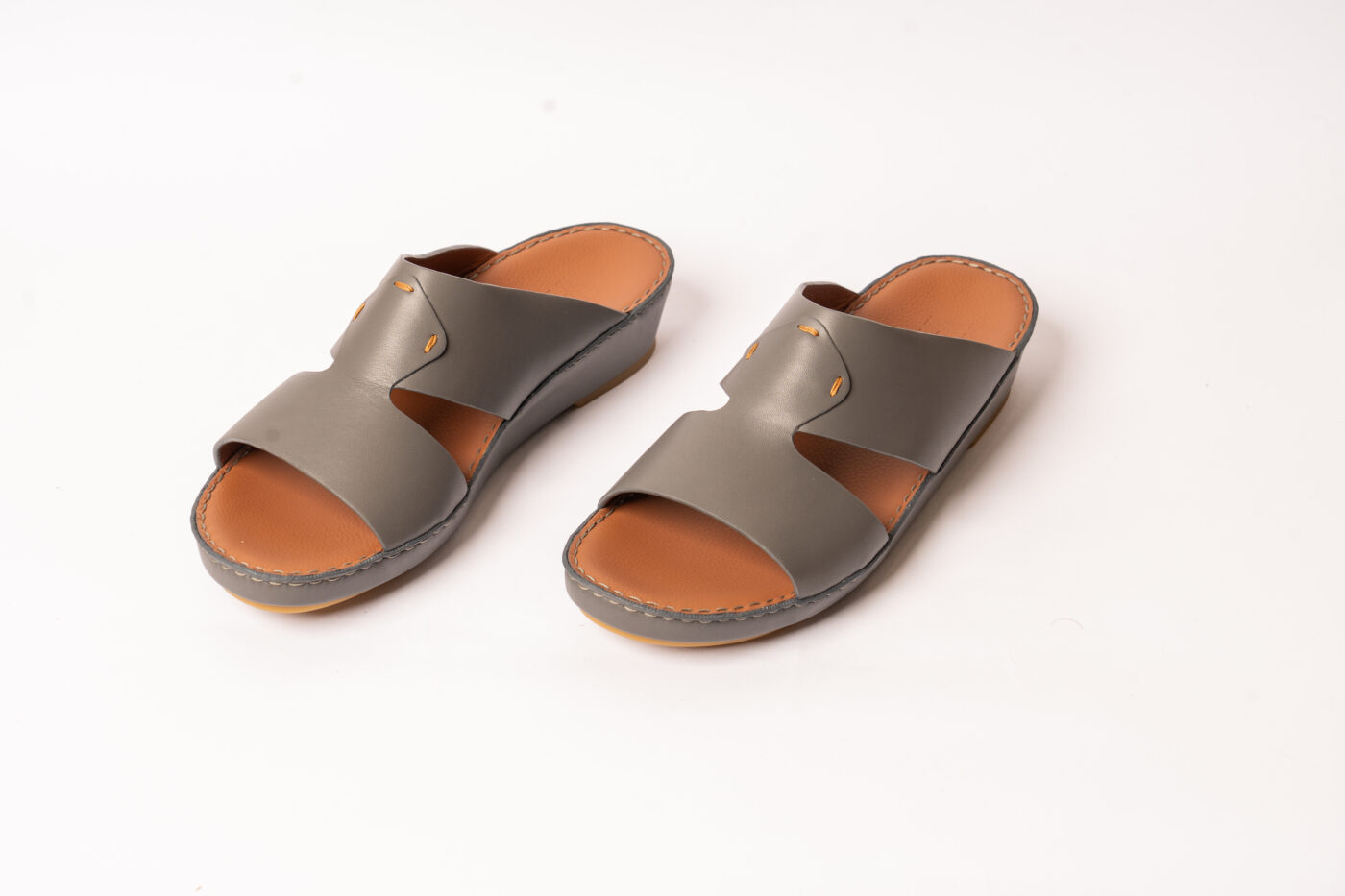
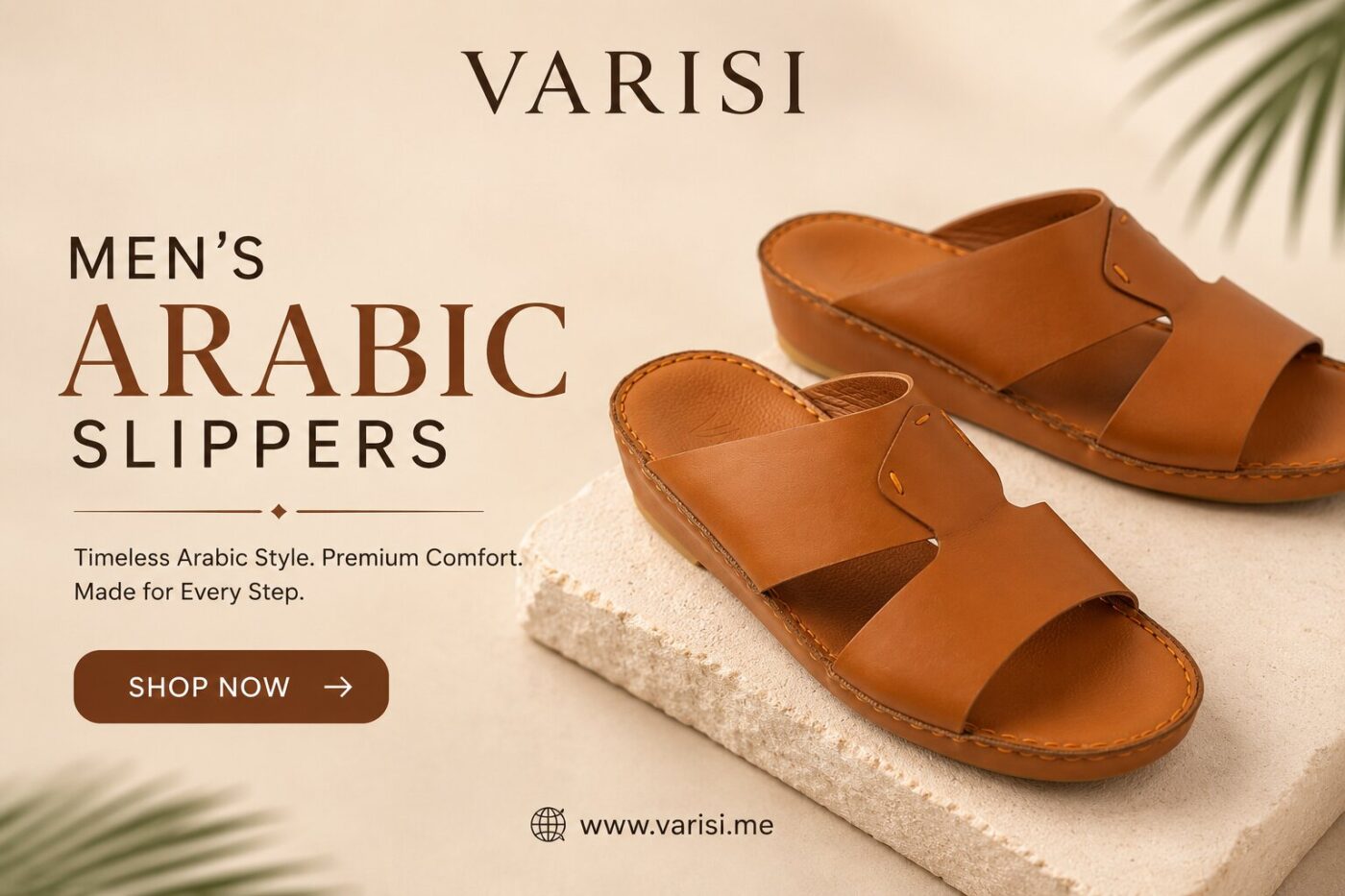
Qatar’s climate is unforgiving on footwear, with heat and humidity that punish anything less than full-grain material. This is exactly why brands like Varisi build sandals such as their Nappa Leather Brown pair around genuinely tanned leather rather than coated synthetics — the difference shows up months later, not on day one.
What to check
- Look for natural grain variation; perfectly uniform texture usually signals a printed finish
- Smell the material — real leather has an earthy, slightly smoky scent, not a chemical one
- Bend the strap gently; authentic leather creases naturally without cracking
Stitching That’s Built to Last
Stitching is one of the fastest ways to judge whether a sandal was made with care or rushed through a production line. On genuine luxury Arabic sandals, the stitches run evenly, sit close to the edge without fraying, and use thread that matches the tension of the leather itself. Loose threads, skipped stitches, or glue peeking out from the seams are red flags that the maker cut corners somewhere.
Hand-finished or hand-guided stitching, common in smaller Qatari and regional workshops, tends to be slightly less mechanically perfect than factory stitching — but it’s far stronger, because the tension is adjusted for the specific hide rather than a standard setting. If you’re examining Arabic sandals in Qatar up close, run a finger along the seam. It should feel flush, not raised or lumpy.
The Sole Speaks Louder Than the Label
A sandal’s sole is where quality either proves itself or gives itself away. Genuine soles are layered — usually a leather or high-density rubber base bonded with a flexible midsole — so the sandal bends where your foot naturally bends, not in one stiff hinge near the toe.
Cheaper alternatives use a single moulded piece that looks convincing but cracks along the flex point within weeks, especially under Qatar’s summer heat, which softens poor-quality adhesives and speeds up wear.
Quick test before buying:
- Flex the sandal gently in your hands; it should curve smoothly across the ball of the foot
- Check the edge of the sole for visible layering rather than a single moulded block
- Press the heel — a genuine sole resists compression rather than feeling spongy
Hardware and Fastenings Made to Match
Buckles, rivets, and adjustable straps are small details that reveal a lot about overall build quality. On authentic Arabic leather sandals, metal fastenings are usually solid rather than hollow, with a weight that feels intentional in the hand. They shouldn’t rattle, discolour after a week, or leave a greenish tint on the skin, which is a common sign of low-grade plated metal reacting with sweat and heat.
Genuine makers also match the hardware finish to the leather tone deliberately — antique brass with warm browns, brushed silver with cooler shades — rather than bolting on whatever fastening was cheapest that season.
Comfort That Doesn’t Need Breaking In
There’s a persistent myth that quality leather sandals must be painfully broken in before they’re wearable. In reality, well-tanned leather is already supple enough to mould to the foot within the first few wears, not the first few months. If a sandal feels rigid, digs into the arch, or rubs at the heel straight out of the box, that’s usually a sign of stiff, lower-grade leather rather than a “settling in” period.
Genuine luxury sandals in Qatar are cut with the local climate in mind — breathable enough for long days outdoors, structured enough to support the foot properly, and finished so the inner lining doesn’t irritate skin during extended wear.
Craftsmanship Behind the Brand
Authentic quality rarely comes from nowhere. It’s usually backed by a maker who can explain their tanning process, sourcing, and construction method without hesitation. This is one of the clearest ways to separate genuine artisanship from a generic import: ask questions, and see how specific the answers are.
Regional brands producing luxury Arabic sandals with real transparency tend to highlight where their leather is sourced, how it’s treated, and why particular design choices — like a rounded toe strap or a reinforced heel — were made. Varisi, for instance, builds its designs around traditional leatherworking techniques adapted for everyday comfort, which is part of why pairs such as the Nappa Leather Brown hold their shape and colour long after cheaper alternatives have faded.
Signs of genuine craftsmanship
- Clear information about leather type and origin
- Consistent quality across different colourways of the same design
- A finish that looks intentional rather than decorative
Ageing Gracefully Instead of Falling Apart
Perhaps the most honest test of quality is time itself. Genuine leather sandals develop a patina — a subtle, natural darkening and softening that actually improves their look with age. Cheap materials do the opposite: they crack, peel, or fade unevenly, often within a single season of regular wear.
If you’re comparing options for Arabic sandals in Qatar, it’s worth asking how the material is expected to age. A maker confident in their leather will tell you it gets better with wear. A maker unsure of their materials will avoid the question altogether.
What Sets Genuine Luxury Sandals in Qatar Apart From Everything Else on the Shelf
At the end of the day, the difference between a pair that lasts and a pair that doesn’t rarely comes down to branding or price tags alone — it comes down to whether the maker treated construction as seriously as appearance. Leather that’s properly tanned, stitching that’s tensioned by hand, a sole built in layers rather than moulded as one piece, hardware chosen to match rather than just fill a gap — these details take time and cost more to get right, which is exactly why so few pairs on the market actually tick every box. Varisi‘s approach to designs like the Nappa Leather Brown reflects that same principle: build it properly the first time, and it won’t need replacing every season.
Frequently Asked Questions
How can I tell if leather sandals are genuine before buying?
Check the grain for natural variation, smell the material for an earthy rather than chemical scent, and gently flex the strap — real leather creases smoothly instead of cracking.
Are luxury sandals in Qatar worth the higher price?
Yes, when the price reflects genuine leather, layered soles, and solid hardware. These details directly affect how long the sandals last in Qatar’s heat and humidity, so the cost is usually offset by durability.
Do genuine leather sandals need breaking in?
Not significantly. Well-tanned leather is already supple and should feel reasonably comfortable within the first few wears rather than requiring weeks of discomfort.
What’s the easiest way to spot a fake luxury sandal?
A single moulded sole, uneven or glued stitching, and hardware that discolours quickly are the fastest giveaways of a lower-quality imitation.
Final Thoughts
Spotting real quality isn’t about knowing obscure leather terminology — it’s about paying attention to weight, smell, stitching, flex, and how a sandal responds to your foot from the very first wear. Genuine luxury sandals in Qatar are built to handle the region’s heat and humidity without losing shape, colour, or comfort, and that durability is always visible if you know where to look.
For anyone wanting a practical example of these principles in a finished product, Varisi’s Nappa Leather Brown sandals are a useful reference point — soft top-grain leather, layered soles, and hardware finished to match, all details that separate a sandal built to last from one built to sell once.
Follow us on Instagram for the latest product updates, new arrivals, and exclusive offers.
Leave a comment