
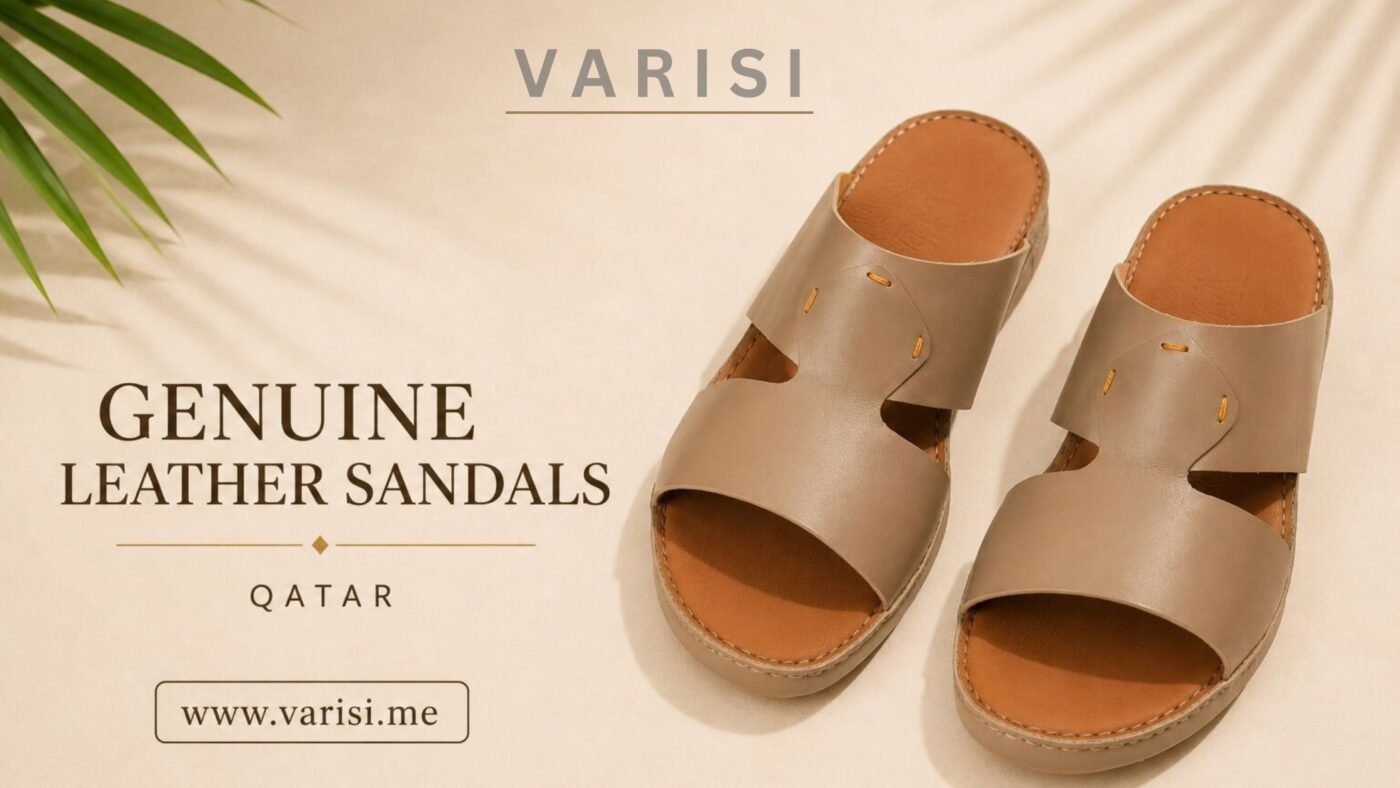
There’s a particular moment every resident of Qatar knows well — stepping outside at midday in July, feeling the pavement heat rise through the soles of your shoes within seconds. It’s in that exact moment that the difference between ordinary footwear and genuine leather sandals in Qatar becomes impossible to ignore. One pair leaves your feet damp, irritated, and ready to come off the second you’re indoors. The other barely registers the heat at all. That contrast is the entire reason this conversation matters here, in a country where footwear has to earn its place in your daily routine rather than just look good in a photo.
At Varisi, this isn’t theoretical. It comes from fitting hundreds of customers, listening to what actually bothers people about the sandals they’re replacing, and building something that solves those specific complaints rather than guessing at them.
The Real Reason Genuine Leather Sandals in Qatar Outperform Everything Else
Most people assume sandal comfort comes down to cushioning alone. It doesn’t. Cushioning matters, but it’s secondary to something more fundamental: how the material responds to heat, sweat, and friction over an entire day.
Synthetic materials — PU leather, rubber compounds, plastic blends — are essentially sealed surfaces. They don’t allow moisture to pass through, which means whatever your foot produces over eight or ten hours of wear just sits against your skin. In Doha’s climate, where outdoor temperatures routinely sit above 40°C for months at a stretch, this turns into a real problem fast: soft tissue breakdown, blistering, and that unmistakable smell that no amount of spraying will fully fix.
Genuine leather works on a completely different principle. Its fibrous structure has natural micro-pores, so air moves through it instead of being trapped. This single property is why genuine leather sandals in Qatar consistently get chosen by people who’ve already tried the cheaper alternatives and learned the hard way that synthetic materials and Gulf summers don’t mix.
A Material That Improves Instead of Degrading
Here’s something most people don’t expect: leather gets better with wear, not worse. Within the first two weeks of regular use, the fibers begin to relax and reshape around the unique contours of your foot — your arch height, the width across your toes, the pressure points along your heel. Synthetic materials can’t do this. They either stay rigid or they break down structurally, which is why a cheap sandal often feels fine on day one and falls apart by week six.
Arabic Sandals in Qatar: Function Built Into the Design, Not Added Later
It’s worth understanding where this style of footwear actually comes from, because the design choices aren’t arbitrary. Arabic sandals in Qatar carry forward a design language shaped by centuries of movement across hot, arid terrain — markets, mosques, courtyards, and long stretches of walking between them.
The open structure wasn’t a style decision first; it was a survival decision. Enclosed shoes trap heat. Open-toe, strap-based designs let air circulate continuously, which mattered enormously before air conditioning existed and still matters now for anyone spending real time outdoors. The low, flat sole wasn’t about minimalism either — it kept the foot stable on sand and uneven stone without adding unnecessary bulk or weight.
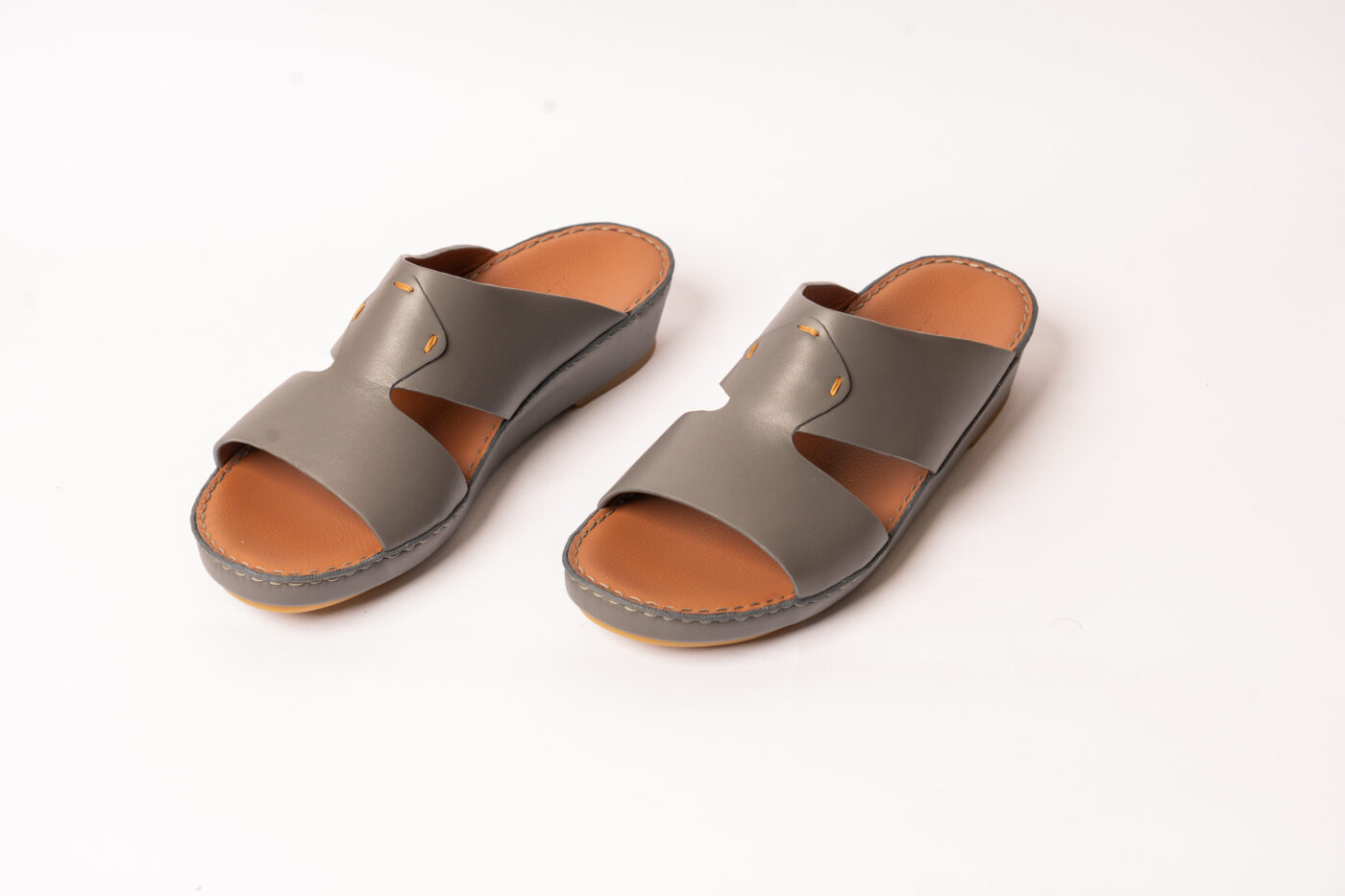
What’s changed is the refinement, not the underlying logic. Modern Arabic leather sandals built by brands like Varisi take that original structural wisdom and pair it with details older versions didn’t have — contoured footbeds, reinforced stitching at pressure points, and leather treatment processes that extend the material’s lifespan well beyond what older tanning methods could achieve.
Why This History Still Shapes Buying Decisions Today
When customers describe wanting something that “feels right” for Qatar, they’re often unconsciously describing this inherited design logic — even if they’ve never thought about where it came from. A sandal that breathes, sits low and stable, and doesn’t fight against the heat isn’t a modern invention. It’s a refinement of something that’s been solved, imperfectly, for a very long time.
Spotting Luxury Sandals in Qatar: The Details That Actually Matter
The word “luxury” gets attached to a lot of products without much behind it. When it comes to footwear, there are specific, checkable details that separate genuinely well-made sandals from ones that simply look expensive in photos.
- Hide quality — Full-grain leather retains the natural surface of the hide, including its strength and flexibility. Lower grades are sanded and coated to hide flaws, which also strips away durability.
- Stitch density and placement — High-wear zones like the toe post and heel strap need tighter, reinforced stitching, not decorative topstitching that looks neat but offers no structural support.
- Sole construction — A good sole flexes with your foot’s natural movement instead of forcing your foot to adapt to a stiff, flat surface.
- Edge finishing — Raw or poorly sealed leather edges fray and darken unevenly with water exposure; properly burnished edges hold their shape for years.
- Consistency of dye — Natural dyes penetrate the leather rather than sitting on top of it, which is why quality sandals age into a richer tone instead of fading in patches.
These details rarely show up in a quick glance, which is exactly why so many buyers end up disappointed a few months after purchase. Luxury sandals in Qatar earn that label through construction choices most people never think to check — not through branding or price alone.
What to Actually Look For When Buying
Shopping for sandals suited to this specific climate and lifestyle comes down to a short list of practical questions, more than aesthetic preference alone.
- Does the sole bend naturally when you flex it by hand? If it feels stiff even unworn, it will likely stay uncomfortable.
- Are the straps wide enough to distribute pressure? Thin straps dig in after a few hours of walking, especially in heat-swollen feet.
- Is the stitching reinforced at the toe post? This is the single most common failure point in lower-quality sandals.
- Does the color suit practical, everyday conditions? Lighter tones show dust and sand far more visibly than deeper, richer shades.
- Will it transition between settings? A well-designed pair should move easily from a grocery run to an evening gathering without feeling out of place either way.
Getting these answers right before buying saves the frustration of a pair that looks good in the store but becomes unwearable within a season.
Keeping Leather Sandals in Good Condition Through Qatar’s Climate
Leather isn’t high-maintenance, but it does respond to neglect faster in dry, dusty conditions. A few habits make a measurable difference over time:
- Brush off dust and sand after outdoor wear rather than letting it grind into the leather’s surface
- Avoid leaving sandals in direct sunlight or a hot car for extended periods, since excessive heat dries out natural oils in the leather
- Use a leather conditioner every couple of months, particularly during the driest stretches of the year
- Store sandals somewhere ventilated rather than sealed in plastic, which traps moisture and encourages mildew
None of this takes much time, but skipping it is the single biggest reason people assume leather doesn’t hold up — when in most cases, it was simply never given the basic care it needed.
Who Actually Benefits Most From Genuine Leather Sandals in Qatar
Not every buyer has the same reason for switching, and that’s worth pointing out because the benefits show up differently depending on lifestyle. For someone who spends most of the day on their feet — retail staff, delivery drivers, people constantly moving between indoor and outdoor spaces — the breathability of genuine leather sandals in Qatar translates directly into fewer blisters and less end-of-day fatigue. For parents running errands with kids in tow, the appeal is more about convenience: a pair that slips on instantly at the door and holds up to being kicked off and stepped back into a dozen times a day without the straps loosening or the sole separating. Even for people who mostly stay indoors in air-conditioned spaces, the moment they step out to the car or across a parking lot is often enough to notice the difference, since asphalt and tile both hold heat far longer than people expect.
How Genuine Leather Sandals in Qatar Compare Across Price Points
One question that comes up constantly is whether a higher price actually buys anything meaningful, or whether it’s just branding. In practice, the price difference in genuine leather sandals in Qatar tends to track closely with three things: the grade of hide used, the amount of hand-finishing involved, and the quality control applied to stitching and sole bonding. A budget pair might use genuine leather on the surface but pair it with a weaker adhesive sole that separates within months. A mid-range pair typically holds up better structurally but may skip finer details like burnished edges or contoured arch support. The higher end of the market, where Varisi positions itself, is where all three elements line up — solid hide, careful construction, and finishing that’s built to be walked on daily rather than displayed once and forgotten. Understanding this breakdown helps buyers see past the price tag alone and judge what they’re actually paying for.
Common Mistakes People Make When Buying Genuine Leather Sandals in Qatar
A surprising number of complaints about leather sandals trace back to buying mistakes rather than product defects. One of the most frequent is purchasing a size that feels slightly tight, assuming the leather will “stretch out” — which it does, but only by a small margin, so starting too tight usually just means weeks of discomfort before the fit becomes bearable. Another common mistake is judging comfort entirely in an air-conditioned store, where leather feels stiffer than it will after a few days of real wear and ambient heat. People also tend to overlook strap adjustability, assuming a fixed-strap design will fit as well as one with a buckle or added notch, when in reality foot swelling from heat can change fit noticeably over the course of a day. Avoiding these missteps is often the difference between a pair that becomes a daily favorite and one that ends up pushed to the back of the closet after a few uneven wears.
Genuine Leather Sandals in Qatar and the Shift Toward Mindful Buying
There’s a noticeable change in how people here are shopping for footwear compared to a few years ago. Fast fashion versions of sandals used to dominate casual conversations — cheap, replaceable, barely thought about past the purchase. That’s shifting. More buyers are now asking how something is made before they ask how much it costs, and genuine leather sandals in Qatar sit right at the center of that shift. Part of it is practical fatigue with replacing synthetic pairs every few months. Part of it is a growing awareness that a well-made product, even at a higher upfront cost, often works out cheaper over a year or two once you factor in how often cheaper alternatives need replacing. This isn’t a trend driven by marketing; it’s driven by people comparing receipts and realizing the math favors quality.
Styling Genuine Leather Sandals in Qatar for Different Settings
One thing that often surprises first-time buyers is how versatile a well-made pair actually is. A simple, neutral-toned leather sandal pairs naturally with a thobe or kandura for daily errands, works just as comfortably with casual Western wear like jeans or linen trousers, and still holds up visually at slightly dressier gatherings when paired with the right outfit. This versatility matters more in Qatar than it might elsewhere, since the same pair of sandals often needs to carry someone from a morning at the souq to an evening family visit without a change of shoes in between. Darker shades like espresso or deep tan tend to offer the most flexibility, since they read as polished without looking overly casual or overly formal in either direction.
The Environmental Argument for Genuine Leather Sandals in Qatar
It’s easy to overlook, but durability has an environmental dimension that’s becoming harder to ignore. Synthetic sandals that wear out every few months end up in landfill cycles far faster than their leather counterparts, and the production of synthetic materials typically relies more heavily on petroleum-based inputs. A single well-made pair of genuine leather sandals in Qatar, properly cared for, can realistically outlast three or four synthetic pairs bought over the same stretch of time — which means less waste generated per year of actual wear. This isn’t the primary reason most people switch to leather, but for buyers who do think about it, it’s a meaningful secondary benefit layered on top of the comfort and durability advantages that usually come first.
Final Thoughts
Comfort isn’t something you can judge from a shelf or a product photo. It shows up hours into wear, in how your feet feel by the end of a long day, and in whether a pair survives repeated exposure to heat, sand, and movement without losing its shape. That’s the real standard, and it’s one that genuine leather sandals in Qatar meet in a way few alternatives can match.
This is the thinking behind every pair built by Varisi — not chasing trends, but solving the specific, practical problem of what footwear needs to do in this part of the world.
If you’ve been getting by on sandals that weren’t really built for this climate, it might be worth seeing what the difference actually feels like. Varisi‘s collection is put together with exactly these conditions in mind, and browsing through it at varisi.me is a reasonable place to start if you’re ready for a pair that keeps up with how you actually live.
Frequently Asked Questions
Why do genuine leather sandals in Qatar feel cooler than synthetic ones?
Leather has a naturally porous structure that lets air circulate, while synthetic materials trap heat and moisture against the skin.
Is there a difference between Arabic leather sandals and generic leather sandals?
Yes — Arabic designs typically prioritize open structures and low, stable soles shaped by regional climate needs, rather than following generic fashion templates.
How can I tell if sandals qualify as genuinely luxury-grade?
Look for full-grain leather, reinforced stitching at pressure points, flexible soles, and properly finished edges — not just a higher price tag.
Do Arabic sandals in Qatar work for formal occasions?
Many simpler, well-crafted designs transition easily between casual and semi-formal settings, depending on the color and strap style chosen.
How often should leather sandals be conditioned in this climate?
Roughly every two to three months, or more frequently during particularly dry or hot stretches, to prevent the leather from drying out and cracking.
Follow us on Instagram for the latest product updates, new arrivals, and exclusive offers.
Leave a comment